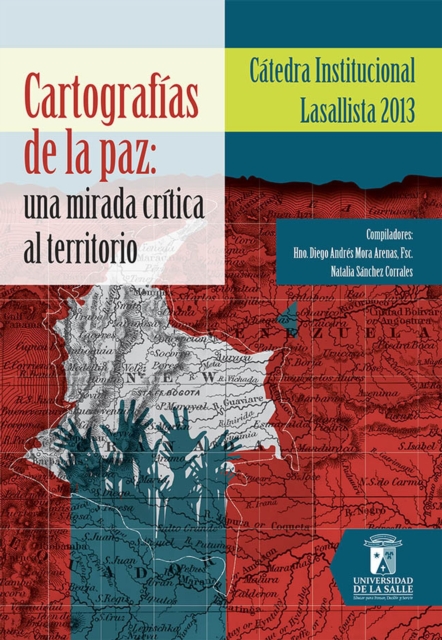
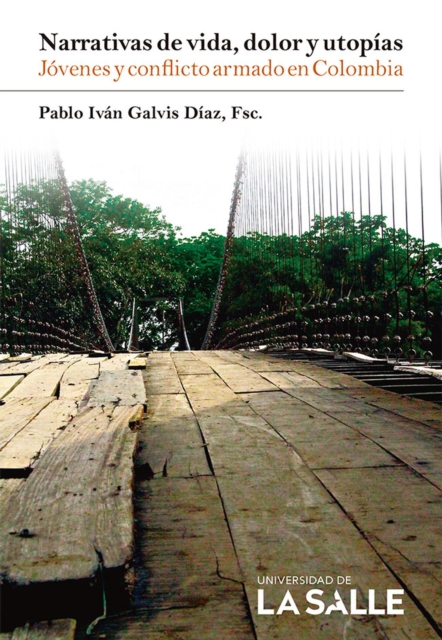
Este libro aborda un grupo de emprendimientos y de asociatividades que surgen como alternativas de desarrollo para la reincorporación a la vida civil de las personas que pertenecieron al grupo insurgente de las Fuerzas Armadas Revolucionarias de Colombia (FARC), con ocasión de la firma de los Acuerdos de Paz del 2016.
A comprehensive, step-by-step guide to understanding the basics of robotics and creating your own robotics applications within days, not months Get With Your Book: PDF Copy, AI Assistant, and Next-Gen Reader FreeKey FeaturesBuild a strong foundation in ROS 2 and instill confidence for future robotics projectsLeverage best practices to create scalable ROS 2 applications with Python and C++Follow a step-by-step process to create and simulate a custom robot using ROS 2Book DescriptionROS 2 from Scratch, written by the cofounder of a robotics company with years of experience in teaching and engineering, will equip you with the skills necessary to develop cutting-edge robotic systems efficiently.
This carefully crafted ebook: "e;The Idea of a League of Nations (The original unabridged edition, Part 1 & 2)"e; is formatted for your eReader with a functional and detailed table of contents.
Para el desarrollo del proyecto se hizo una delimitación espacial respecto a la ubicación de la población de Unión Berrecuy Medio Baudó Chocó y se consideraron los hechos ocurridos a partir de 2008 relacionados con la posible transculturización que el grupo social ha sufrido con el impacto violento derivado de las acciones de los grupos al margen de la ley que se suponen han trastocado el "habitus individual que posiblemente constituye un habitus colectivo de la comunidad" (Moreno Durán y Ramírez 2018) que históricamente se ha constituido a partir de los principios religiosos menonitas con los cuales se ha fortalecido una cohesión social y una especie de plataforma de memoria colectiva.
Die Figur des Antichrist ist auch Echokammer der Heiligkeit, aus der kollektive wie individuelle Ableitungen und Legitimationen für gewalttätiges Handeln gezogen werden und wurden.
Der Band behandelt den wechselseitigen Austausch des Kronlands Galizien und Lodomerien mit den Nachbarregionen und zeigt seine Bewohner als aktive Akteure soziokultureller und multiethnischer Interaktionen.
Das Verhältnis zwischen den Religionsgemeinschaften als soziale Konkretisierungsformen des Abstractums "Religion" und den Menschenrechten muss gerade in unseren Tagen aus einer sozialethischen Perspektive neu und präzise bestimmt werden.
"A base de toda mi variada y enriquecedora experiencia, he llegado a la profunda convicción de que una razonable comprensión básica de este campo no debería estar limitada a solo una pequeña banda de académicos o de expertos.
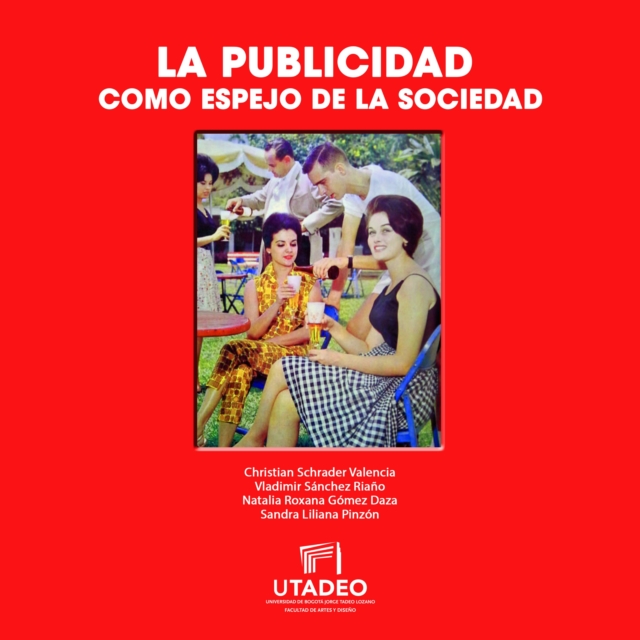
El presente documento tiene como propósito plantear elementos de discusión cuyo objetivo de largo aliento es ampliar los estudios en torno a la forma como la publicidad puede dar lugar a la descripción, el análisis y la interpretación de las prácticas sociales y culturales que caracterizan cada época.
"Renaissance, Niedergang, Transformation, Deinstitutionalisierung, Entprivatisierung, Bricolage - die Erwartungen an das Schicksal der Religion in der modernen Zivilisation sind vielfältig.
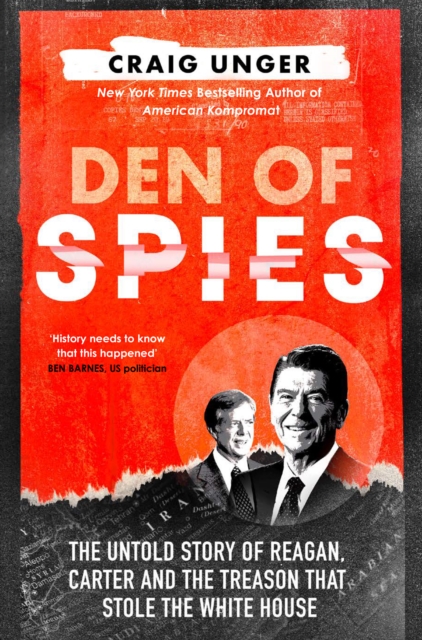
Argo meets Spotlight, as New York Times bestselling author Craig Unger reveals his thirty-year investigation into the secret collusion between Ronald Reagan's 1980 presidential campaign and Iran, raising urgent questions about what happens when foreign meddling in elections goes unpunishedArgo meets Spotlight, as New York Times bestselling author Craig Unger reveals his thirty-year investigation into the secret collusion between Ronald Reagan's 1980 presidential campaign and Iran, raising urgent questions about what happens when foreign meddling in our elections goes unpunished and what gets remembered when the political price for treason is victory.
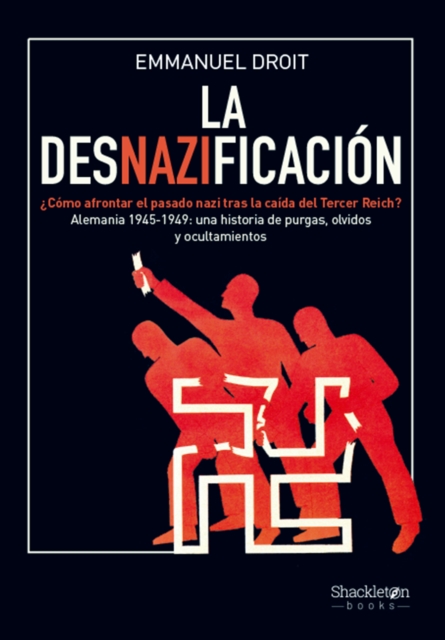
Una meticulosa y documentada investigación histórica que nos muestra uno de los aspectos más desconocidos y menos estudiados de la Segunda Guerra Mundial, el de la posterior desnazificación de la sociedad alemana.
Master everyday and deep-rooted conflict with The Conflict Crunch, perfect for readers of What If You Are the Answer by Rachel Hollis and The Let Them Theory by Mel Robbins.
Bringing together 46 original contributions from a broad range of international scholars, this comprehensive volume maps the key debates, histories, concepts, and practices that shape animation studies today.
This book presents a compelling analysis of the historical development of income tax in modern China, interweaving the themes of war, taxation, and fiscal state-building into a rich and nuanced narrative.
How direct speech in the novel shapes our understanding of literary characters and their social worldsFor many readers, to think of nineteenth-century fiction is to recall characters speaking: Elizabeth refusing Darcy in Pride and Prejudice; Jane excoriating Rochester in Jane Eyre; Dorothea and Celia discussing Mr.
The Andaman and Nicobar Islands (ANI) occupy a uniquely strategic position at the mouth of the Bay of Bengal, forming one of the most strategically located island chains in the world.
How direct speech in the novel shapes our understanding of literary characters and their social worldsFor many readers, to think of nineteenth-century fiction is to recall characters speaking: Elizabeth refusing Darcy in Pride and Prejudice; Jane excoriating Rochester in Jane Eyre; Dorothea and Celia discussing Mr.
Branded Heritage and Real Estate presents a bold and timely investigation into the intersection of two powerful forces reshaping our cities today: the financialisation of space and the strategic use of heritage as a vehicle for profit.
A sweeping history of global interdependence from the late eighteenth to the twenty-first centurywith essential lessons for todayIn The Capitalist Era, leading global historian Jeremy Adelman puts the world's current unwinding in much-needed historical perspective.
This book reconceptualizes Kenneth Burke's comic frame as a critical method for analyzing how publics can be invited into difficult, unresolved conversations about collective history, identity, and justice.
A sweeping history of global interdependence from the late eighteenth to the twenty-first centurywith essential lessons for todayIn The Capitalist Era, leading global historian Jeremy Adelman puts the world's current unwinding in much-needed historical perspective.
The international bestseller that will help you cultivate healthy relationships, steer clear of toxic situations, and enhance the bonds that enrich your life.
Featuring perspectives from established and emerging scholars, this collection examines the intersection of multimodality and genre in higher education.
This is not merely a book on methods; it is a toolbox designed to provide students with the critical guidelines and ethical reflections needed to conduct research on gender and media.