An intimate and profound reckoning with the changes buffeting the $2 trillion global advertising and marketing business from the perspective of its most powerful players, by the bestselling author of GoogledAdvertising and marketing touches on every corner of our lives, and is the invisible fuel powering almost all media.
Roseanna is the first book in the hugely acclaimed Martin Beck series: the novels that shaped the future of Scandinavian crime fiction and influenced writers from Stieg Larrson to Jo Nesbo, Henning Mankell to Lars Kepplar.
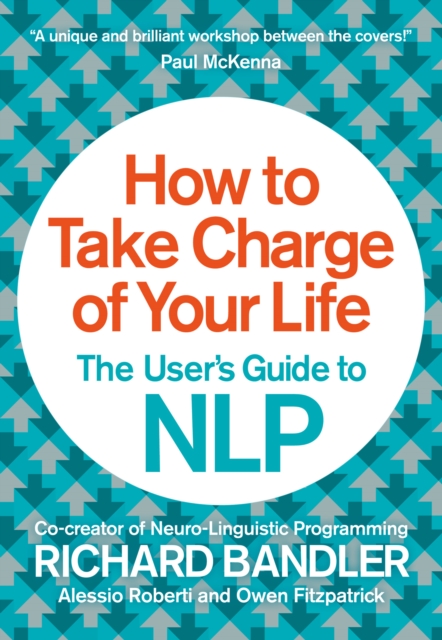
Richard Bandler, co-creator of NLP and the man who taught and trained Paul McKenna, joins forces with Alessio Roberti and Owen Fitzpatrick once again to give you the tools to change your life.
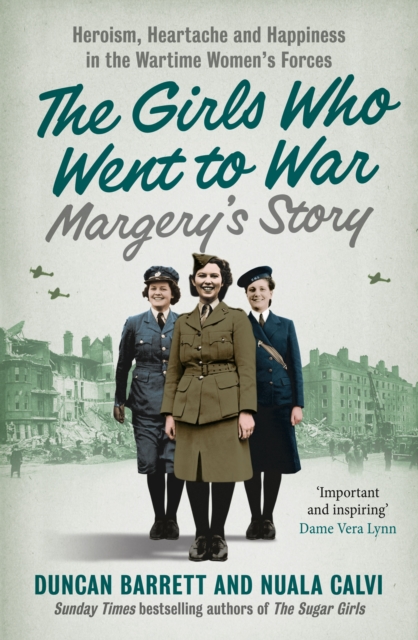
From the bestselling authors of The Sugar Girls and GI Brides, this is Margery's story, one of three true accounts from the book The Girls Who Went to War.
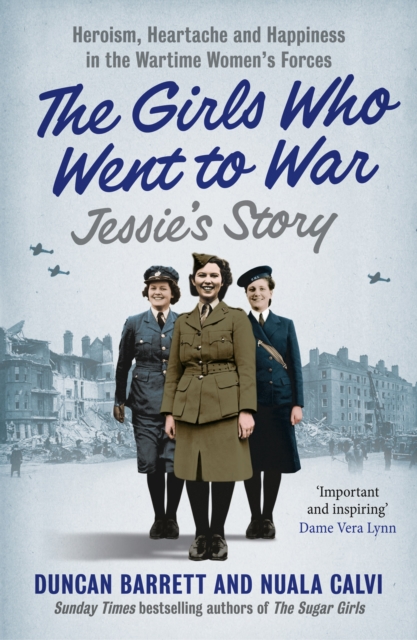
From the bestselling authors of The Sugar Girls and GI Brides, this is Jessie's story, one of three true accounts from the book The Girls Who Went to War.
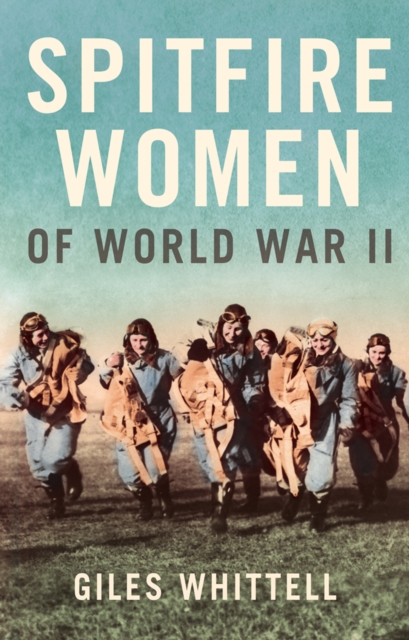
This is the incredible true story of a wartime sisterhood of women pilots: a group of courageous pioneers who took exceptional risks to fly Spitfires, Hurricanes and Lancasters to the frontlines of World War II.
In this fascinating follow-up to the bestselling Information is Beautiful and Knowledge is Beautiful, the king of infographics David McCandless uses spectacular visuals to give us all a bit of good news.
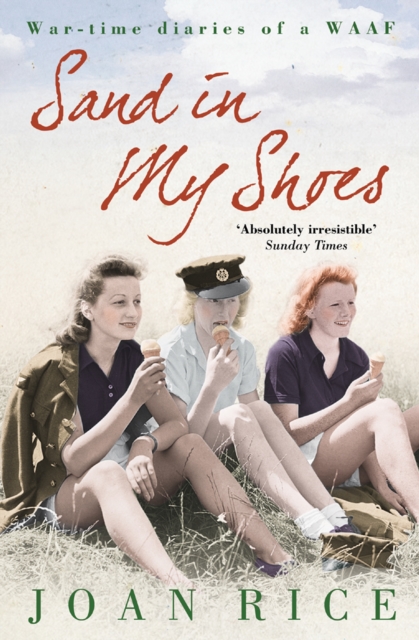
Never before have the diaries and letters of young people from all sides of World War Two been woven together to provide an account of what it was like to grow up amidst the daily struggles and horrors of this devastating war.
Features updated material and a special foreword from Arianna for the UK audienceIt's not an exaggeration to say that the hard-working, average citizen on an average income is an endangered species and that the American Dream of a secure, comfortable standard of living has become outdated.
An extraordinary collection of reportage that tells the story of some of the most important world events of the past 16 years, from one of the most talented and intrepid female journalists at work today.
Patrick Bishop looks at the lives and the extraordinary risks that the painfully young pilots of Bomber Command took during the air-offensive against Germany from 1940-1945.
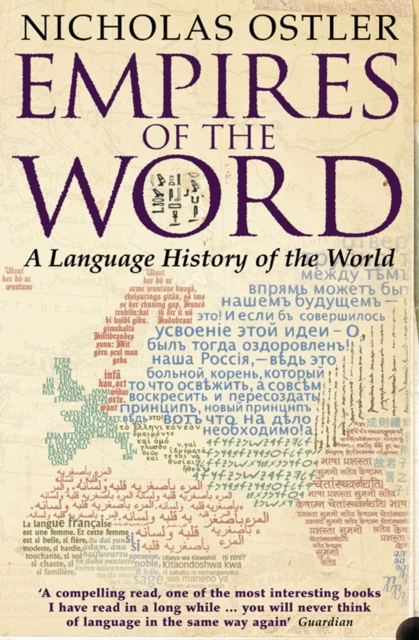
An unusual and authoritative 'natural history of languages' that narrates the ways in which one language has superseded or outlasted another at different times in history.
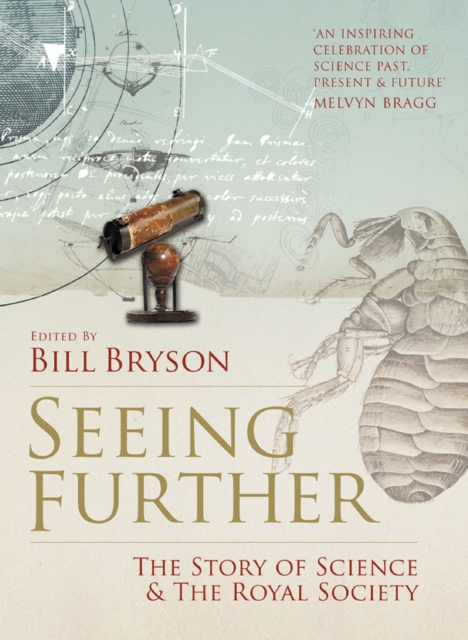
Edited and introduced by Bill Bryson, with contributions from Richard Dawkins, Margaret Atwood, Richard Holmes, Martin Rees, Richard Fortey, Steve Jones, James Gleick and Neal Stephenson amongst others, this beautiful, lavishly illustrated book tells the story of science and the Royal Society, from 1660 to the present.
The Teavangelicals is a one-of-a-kind book chock-full of original reporting from the 2012 presidential race with an up-close look at how evangelicals and the Tea Party are plotting strategy to reclaim America.
From the playing fields of Eton via the horrors of the Western Front to the pinnacle of political power in 20th-century Britain - a brilliant collective biography of Harold Macmillan, Lord Salisbury, Oliver Lyttleton and Harry Crookshank.
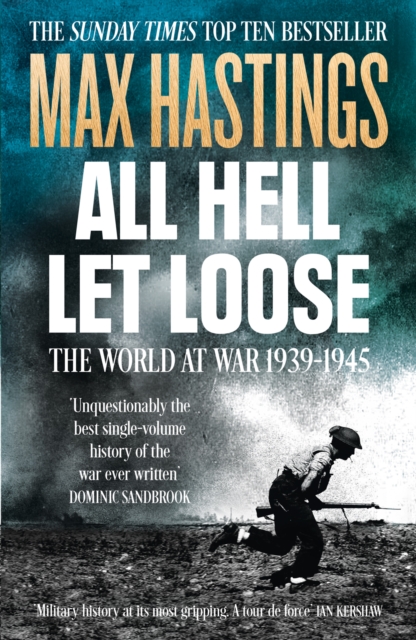
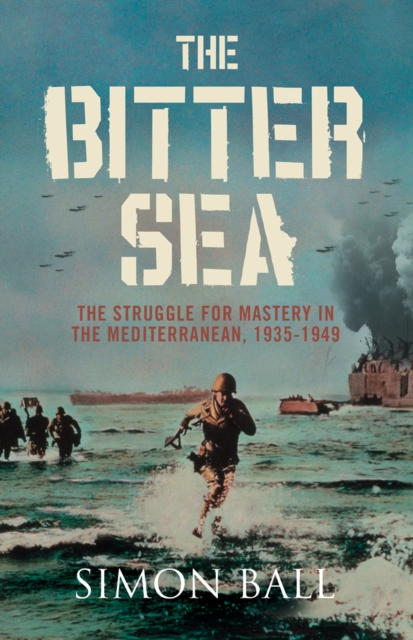
A gripping history of the Mediterranean campaigns from the first rumblings of conflict through the Second World War and into the uneasy peace of the late 1940s.
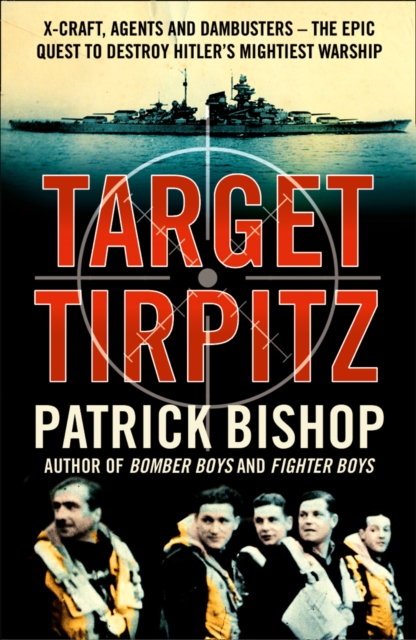
A gripping account of the epic hunt for Hitler's most terrifying battleship - the legendary Tirpitz - and the brave men who risked their lives to attack and destroy this most potent symbol of the Nazi's fearsome war machine.
An entertaining and provocative investigation of friendship in all its variety, from ancient times to the present day A central bond, a cherished value, a unique relationship, a profound human need, a type of love.
A case for why regionalization, not globalization, has been the biggest economic trend of the past forty yearsThe conventional wisdom about globalization is wrong.
Thoroughly revised and updated, a new edition of the most popular guide to the UN for students and interested readers Prominent NPR journalist Linda Fasulo's guide to the United Nations has established a reputation as the most lively, authoritative, and insightful book on its subject.
A controversial look at the end of globalization and what it means for prosperity, peace, and the global economic order Globalization, long considered the best route to economic prosperity, is not inevitable.