Den drei in sich abgeschlossenen Beiträgen ist eines gemeinsam: die Intensität der auf das Künstlerindividuum und sein Werk konzentrierten Beobachtungsarbeit.
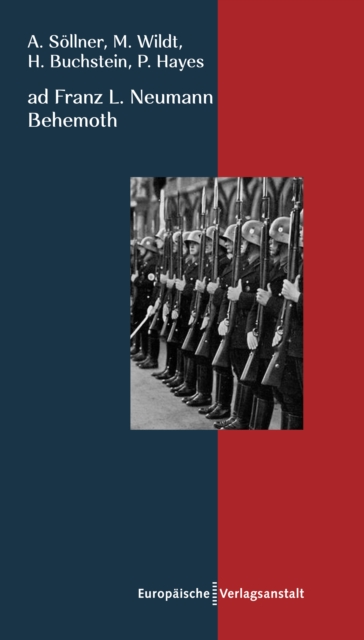
"Da wir glauben, daß der Nationalsozialismus ein Unstaat ist oder sich dazu entwickelt, ein Chaos, eine Herrschaft der Gesetzlosigkeit und Anarchie, welche die Rechte wie die Würde des Menschen 'verschlungen' hat und dabei ist, die Welt durch die Obergewalt über riesige Landmassen in ein Chaos zu verwandeln, scheint uns dies der richtige Name für das nationalsozialistische System: Der BEHEMOTH".
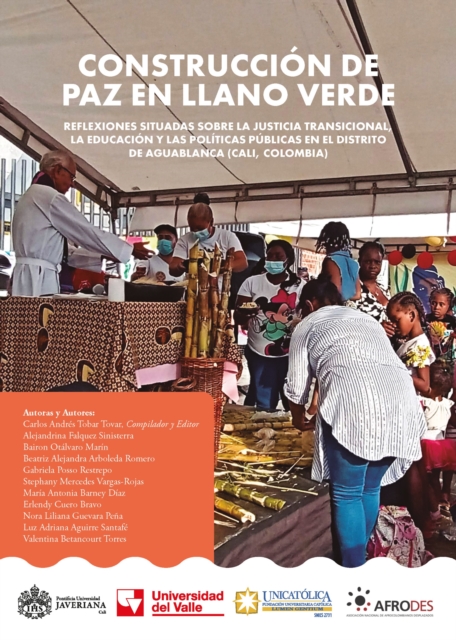
"Este libro de investigación, es un resultado del proyecto interinstitucional "La construcción de la paz desde abajo y la justicia transicional: una aproximación a los procesos sociales agenciados por jóvenes de AFRODES para la reivindicación de los derechos de las víctimas del conflicto armado en la Urbanización Casas de Llano Verde, comuna 15 de la ciudad de Cali", financiado por la Red de Universidades para la Innovación del Valle del Cauca (RUPIV), y avalado por la Pontificia Universidad Javeriana Cali, la Universidad del Valle, la Fundación Universitaria Católica Lumen Gentium y con la participación de la Asociación de Afrocolombianos Desplazados (AFRODES Cali).
Sinne gehören zur anthropologischen Grundausstattung des Menschen, ihre Definition, Erfahrung und Verwendung sind jedoch kulturell und historisch je unterschiedlich: Sinnesordnungen sind gesellschaftliche Ordnungen.
Die acht Beiträge dieses Bandes fokussieren das vielschichtige Phänomen Martin Luther in exemplarischen und repräsentativen Einzelanalysen aus unterschiedlichen Fachdisziplinen (Buchwissenschaft, Theologie, Rechtsgeschichte, Geschichte, Neulatein, Germanistik und Anglistik).
Wissen, so der Tenor der neueren wissensgeschichtlichen Forschung, wird generiert durch historisch spezifische Strategien der Validierung, Autorisierung, Inszenierung und Ästhetisierung.
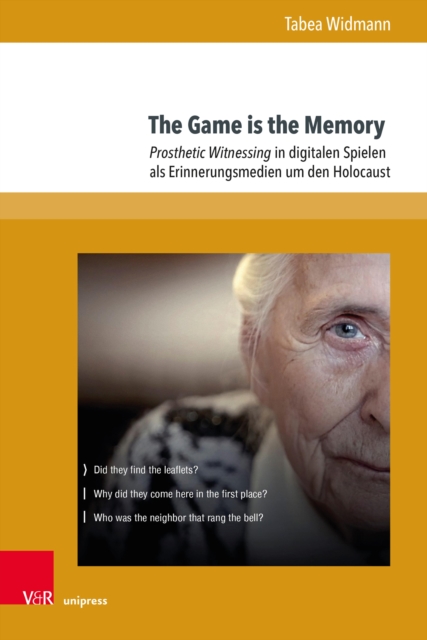
Tabea Widmann widmet sich digitalen Spielen als Erinnerungsmedien um den Holocaust und untersucht sie als potenziell besonders wirkungsmächtige Medien der digitalisierten Erinnerungskulturen.
»Vielfalt als Chance« – das ist das Thema dieses Heftes, dem sich Forschende aus allen Fakultäten der Universität Siegen vor dem Hintergrund ihrer Forschungen widmen.
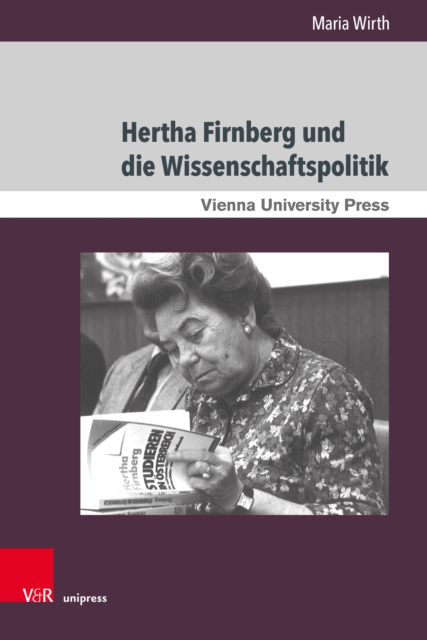
Hertha Firnberg (1909–1994) war die zweite Frau, die in Österreich je einem Ministerium vorstand sowie jene Politikerin, die 1970 ein eigenständiges Wissenschaftsressort aufbaute und dieses 13 Jahre lang, während der gesamten Ära Kreisky, leitete.
Wenn Schülerinnen und Schüler dem Thema »Nationalsozialismus« zum ersten Mal im Geschichtsunterricht begegnen, haben sie bereits durch die vielfältigen Manifestationen der Geschichtskultur und die mündlichen Überlieferungen im Verwandten- und Bekanntenkreis relativ feste Vorstellungen über die NS-Diktatur ausgebildet.
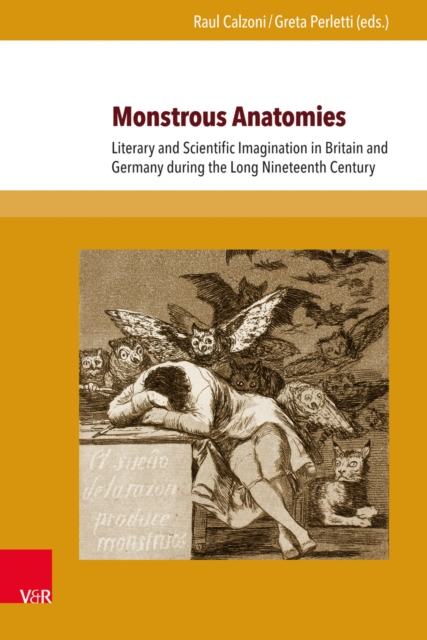
The book explores the significance and dissemination of 'monstrous anatomies' in British and German culture by investigating how and why scientific and literary representations and descriptions of abnormal bodies were proposed in the late Enlightenment, during the Romantic and the Victorian Age.
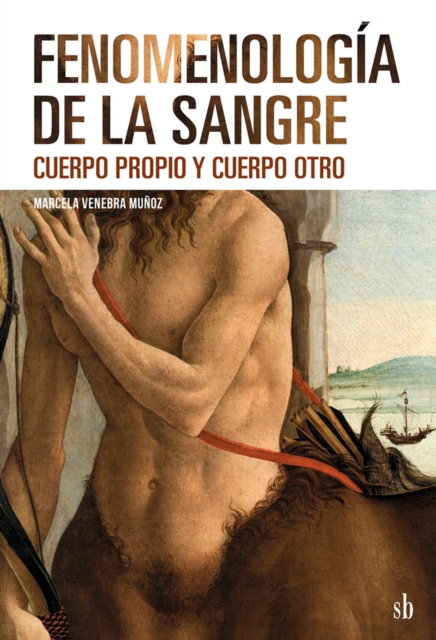
La sangre no es solo la carne –el cuerpo en su unidad autosintiente–, sino que representa la unidad histórico-material en la que se constituye la vida humana.
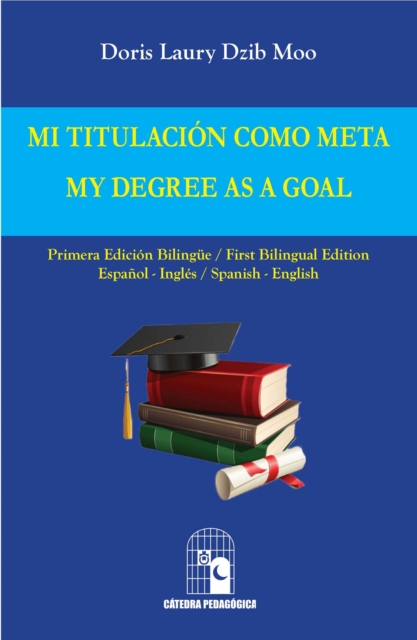
Según su autora, la doctora Doris Laury Beatriz Dzib Moo, el libro es como la llave maestra que permitirá a los estudiantes de educación secundaria y de educación universitaria abrir todas las puertas que deseen como ciudadanos del mundo.
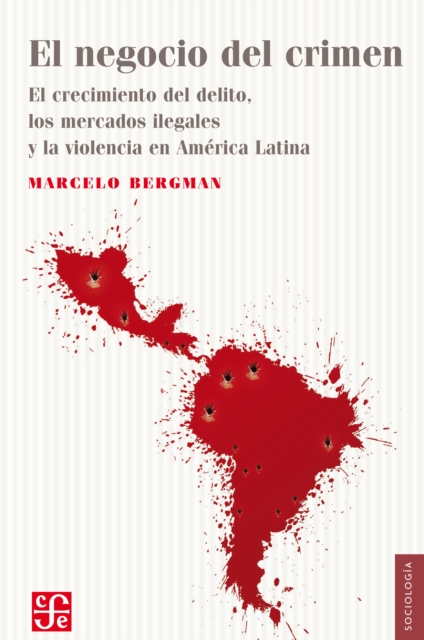
A pesar de que durante los últimos treinta años el delito ha disminuido a nivel mundial, la criminalidad en América Latina ha alcanzado niveles sin precedentes.
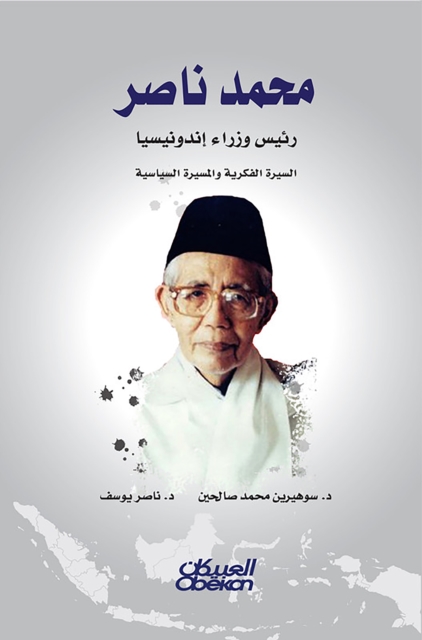
This book, Muhammad Nasser, presents as one of the prominent intellectual and political leaders in Indonesia in particular and in the Islamic world in general and reviews his educational background in the field of Islamic studies.
In diesem Buch erzählt ein Blaulichtreporter aus dem schönen Land Brandenburg die Geschichten von Helden und Opfern, denen er auf seinen Einsätzen begegnet ist.
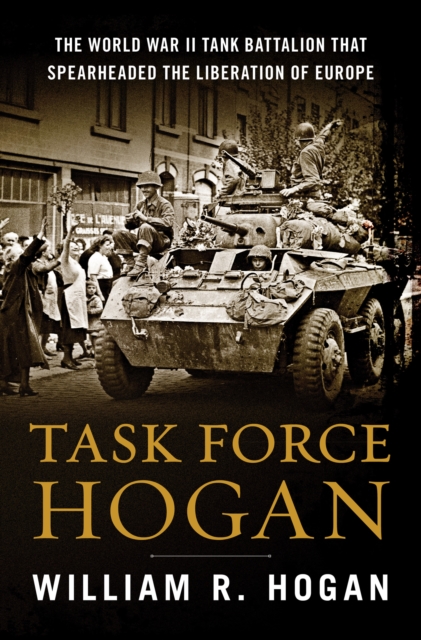
A fourth-generation soldiers tells the story of his fathers tank battalion, the Spearhead, that selflessly led the charge on the front lines from Normandy into Germanyagainst impossible odds, technologically superior weaponry, and a fanatical enemy on its home turfand the heroes whose sacrifice won World War II.
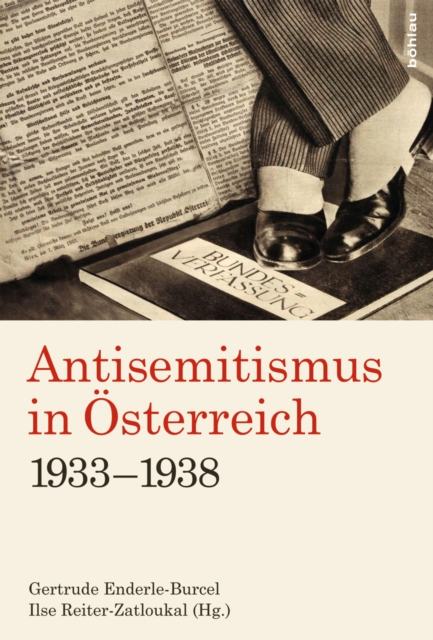
Der umfangreiche Band zeichnet ein erschreckendes Bild von der Vielfältigkeit des Antisemitismus in Österreich in den Jahren vor dem "Anschluss" an NS-Deutschland 1938 – dies obwohl auch die Verfassung von 1934 die Gleichberechtigung aller Bundesbürger unabhängig vom Religionsbekenntnis garantierte.
Vorliegender Sammelband widmet sich den politisch sehr heterogenen Europa-Ideen und Liberalismuskonzepten, die von 1900 bis 1950 in Wissenschaft, Literatur und Kulturkritik intensiv diskutiert werden.
Dieser Band in der Reihe »Welt | Gestalten« richtet einen aktualisierten Blick auf das heterogene Feld der Kriegs- und Konfliktdarstellungen und untersucht mit modernen Ansätzen – anlässlich des russischen Krieges in der Ukraine – das mediale Spannungsfeld unterschiedlicher Medientypen, Inszenierungen und rezeptiven Dynamiken.
A NEW YORK TIMES EDITORS CHOICE Nobody who comes away from reading The Bill Gates Problem will look at him in the same way The TimesYou know him as the founder of Microsoft; the philanthropic, kind-hearted billionaire who has donated endless funds to good causes around the world.
Shortlisted for the 2024 Wolfson History PrizeA Telegraph and Der Spiegel Book of the YearSueddeutsche Zeitung's Number One Most Important Political Book of 2023Die Zeit, ZDF, Deutschlandfunk, taz Number One, Best Non-Fiction Books December 2023 and January 2024A Telegraph and Der Spiegel Book of the YearSueddeutsche Zeitung's Number One Most Important Political Book of 2023Die Zeit, ZDF, Deutschlandfunk, taz Number One, Best Non-Fiction Books December 2023 and January 2024A groundbreaking new history of the people at the centre of Europe, from the Second World War to todayIn 1945, Germany lay in ruins, morally and materially.
Adolescents today have come to regard social networks as a natural way to maintain their relationships with others, to procure information and to be entertained.
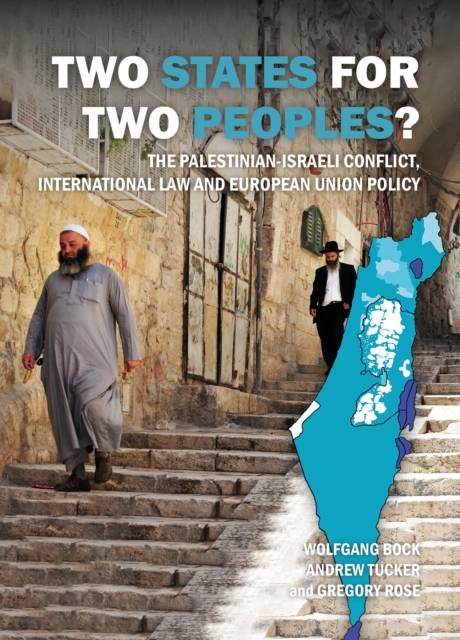
The EU two-state policy concerning the Palestinian-Israeli conflict is failing, despite a half-century of strenuous EU efforts expending tens of billions of euros to implement it.
Culture is a lifestyle and a behavioral style that helps a person to draw the way of his life himself, after he is aware of what is around him with a sound awareness, and here comes the role of the media, the reader, the visual and the audio, as it is one of the most important ways to obtain culture, enrich the conscience and minds of people; Which expands their horizon and raises their level of rehabilitation; Then increasing their interaction with society around them, and their ability to solve problems and overcome the difficulties of life according to their desires and urgent needs.
In seinem faktenbasierten Buch liefert der Migrations-Experte Hein de Haas Wissen statt Meinung zu einem der drängendsten und umstrittensten Themen unserer Gegenwart: Migration.
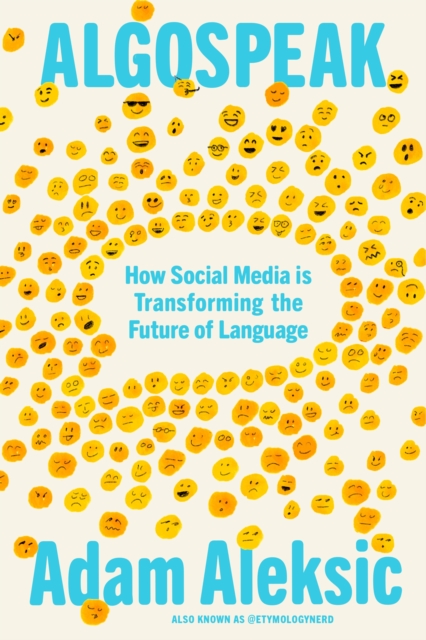
A WATERSTONES BEST BOOK OF 2025 & NEW STATESMAN BOOK OF THE YEAR 2025 An incredible deep dive into how algorithms, social media and the internet are changing the way we communicate and think, from linguist and content creator Adam Aleksic (aka the @etymologynerd)'No cap - this bruh slaps and slays.
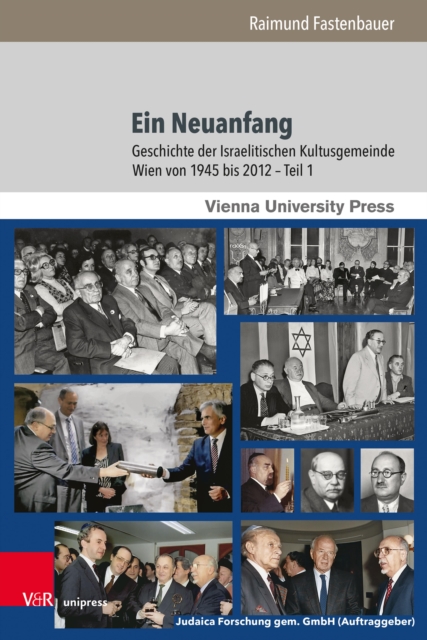
Raimund Fastenbauer präsentiert in zwei Teilen nicht nur die internen Entwicklungen der jüdischen Gemeinde Wien und der IKG als ihrer Vertretungsbehörde, sondern auch ihre Beziehungen und Konflikte zur politischen Umwelt.
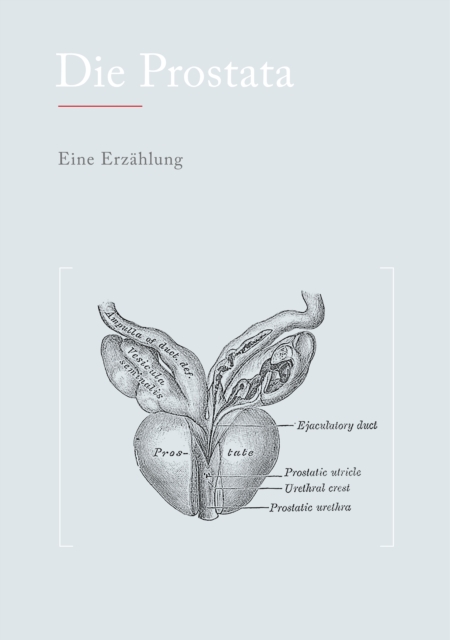
Ein Buch für Frauen und Männer, in den mittleren bis höheren Lebensjahren, für die die Prostata des Mannes plötzlich und unerwartet ein wichtiges körperliches Thema sein wird.
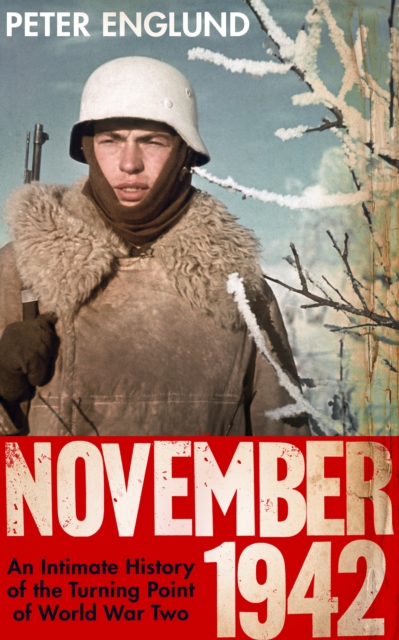
*A Telegraph History Book of the Year, 2023*'An astonishing achievement' ANTONY BEEVOR A remarkably moving and humane book WILLIAM BOYDAn intimate history of the most important month of the Second World War as experienced by those who lived through it, completely based on their diaries, letters and memoirs.
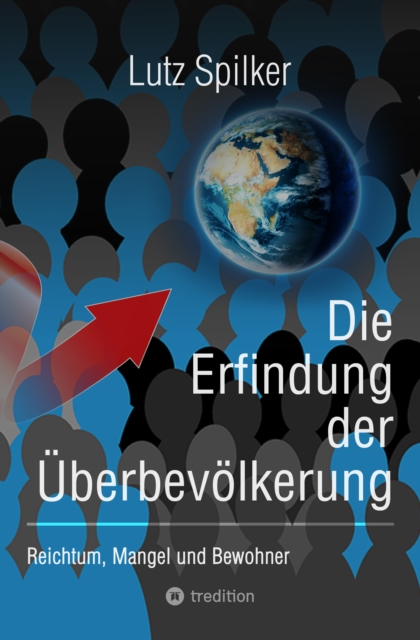
›Die Erfindung der Überbevölkerung‹ ist eine tiefgründige Analyse, die sich mit einem der drängendsten globalen Probleme unserer Zeit auseinandersetzt.
La paz entre las naciones y la buena relación entre todos los habitantes, sus autoridades y sus pueblos han sido importantes como tarea del Papado y del Estado Vaticano.
In Sherwood Anderson's MARCHING MEN, the reader is taken on a journey through the lives of American men after World War I, exploring themes of alienation, self-discovery, and the search for meaning in a rapidly changing society.
A New York Times BestsellerThe international best-selling author explores the revolutions, past and present, that define the chaotic, polarized and unstable age in which we live.