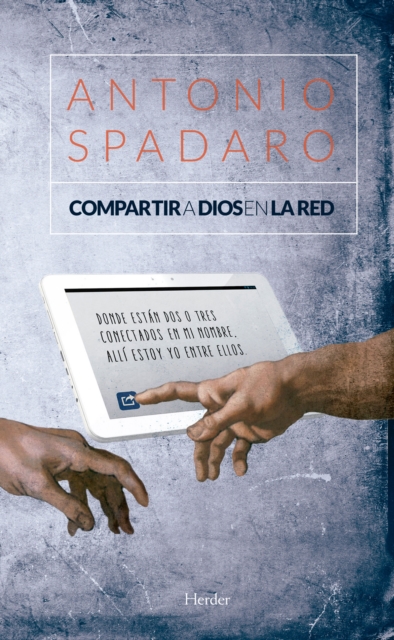
Es habitual escuchar que la Iglesia debe cambiar su lenguaje para comunicarse con las personas, que las palabras y las formas que utiliza son anticuadas.
El campo de las relaciones político-sociales existentes entre el hecho político y el hecho religioso ha estado marcado, a lo largo de la historia, por un tono de manifiesta o latente problematicidad.
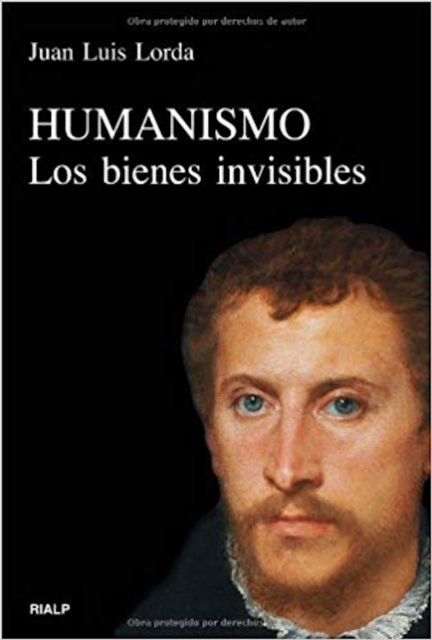
Dice el autor en el prólogo, de la mano de Ramón Pérez de Ayala, que no pocos creyentes nos comportamos hoy en la sociedad como el público en los toros: vemos lo que pasa; algunas veces aplaudimos, aunque por lo general criticamos; y nunca movemos un dedo para mejorar lo que criticamos.
Tras 10 años ayudando a empresas a digitalizarse, he visto de todo: desde gastar 300 000 euros en solucionar un problema que nadie tenía, a tirar meses de trabajo por un malentendido entre cliente y proveedor, pasando por la contratación de un software que después nadie sabía utilizar.
En el mundo actual, en que Internet ya forma parte integrante de nuestras vidas, puede afirmarse que el ciberespacio se ha convertido en una nueva realidad existencial humana.
Este ensayo se plantea una doble pregunta: cómo pensar la sociedad global para conseguir que la Tierra siga siendo un hogar para todos y, de otro lado, cómo pensar en la sociedad global, es decir, de qué modo los cambios en el mundo globalizado afectan e interpelan a la propia actividad de pensar.
El 25 de septiembre de 2015, los líderes mundiales adoptaron un conjunto de objetivos globales para "erradicar la pobreza, proteger el planeta y asegurar la prosperidad" de todos sus habitantes como parte de la Agenda de Desarrollo Sostenible.
La capacidad de adaptación del ser humano a las adversidades, es una de las características importantes que posee, esto es imprescindible para que quien comete delito, pueda sobreponerse mediante la readaptación y reinserción social.
"Reinserción y prisión" nace en el marco del Proyecto de Investigación "La reforma penitenciaria: necesidades del sistema y modelo de ejecución penal" (PGC2018-096093-B-100), cuyo investigador principal es el Catedrático de Derecho Penal de la Universidad de Valladolid el Dr.
La Segunda Guerra Mundial sigue siendo con gran diferencia el principal conflicto de la historia: seis años repletos de muerte y destrucción, heroísmo y cobardía, lucha a muerte en todos los continentes y un final con sabor a derrota para todos.
Este libro constituye uno de los documentos más sorprendentes de la historia: el testimonio en primera persona de un asesino en masa cuyas víctimas se cuentan por millones.
El presente libro realiza una aproximación a la Comunicación Solidaria Digital tal y como está tomando forma en el capitalismo digital o de plataformas.
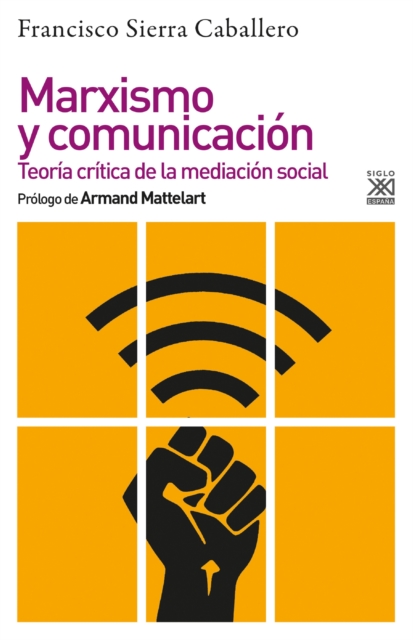
Este volumen contiene trabajos aplicados y de análisis reflexivo acerca de la comunicación, la cultura digital y sus entornos más próximos, así como sus usos políticos en la deliberación pública y en los procesos electorales.
Comunicación radical trenza las tesis imprescindibles para repensar y regenerar el modelo de comunicación en el papel que está llamada a ocupar en la transformación ecosocial.
El libro que el lector tiene en sus manos aborda los retos y oportunidades de la digitalizacion en los medios de comunicacion y empresas periodisticas.
Las formas de consumo de radio han ido cambiando desde finales del siglo XX y, por tanto, los modelos de produccion se han visto obligados a adaptarse.
Viaje por los caminos de la violencia y el progreso que han llevado a Ucrania El espejismo de los optimistas, el final de los conflictos tras la caída del muro de Berlín, se ha desvanecido.
Este libro no se dirige exclusivamente a quienes esten vinculados academica o profesionalmente a temas cientificos y tecnologicos, sino tambien al ciudadano promedio que necesita informacion sobre el estado actual de progreso en materia de automatizacion e inteligencia artificial, y sobre las formas de como esta cambiando la vida de todos y la evolucion de la sociedad.
El cohete V-2 forma parte del arsenal de "armas milagrosas" que los científicos alemanes concibieron y fabricaron durante el Tercer Reich en bases secretas en el Báltico y en fábricas subterráneas.
"Aunque parecía que los nazis estaban dispuestos a erradicar las prácticas astrológicas del suelo alemán, su actitud revelaría una desconcertante paradoja.
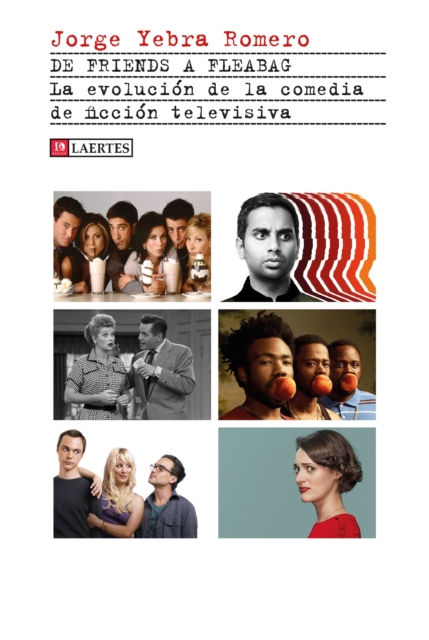
La comedia de situación es el formato cómico por excelencia en la ficción televisiva anglosajona debido a que su estructura no ha cambiado apenas nada desde su creación en los años cincuenta.
Creer que los "objetos" estudiados por la sintaxis y por la semántica son los "mismos" que los sujetos hablantes "utilizan" en un plano pretendidamente pragmático, es un error epistemológico fundado en el desconocimiento de la naturaleza construida de los objetos científicos.
El interrogante sobre la relación entre oferta y demanda en el ámbito de los contenidos de los mass media, especialmente la televisión, no se resuelve a través de sondeos de audiencia, ya que estos sólo pueden basarse en reacciones a la oferta de programas.
El pensamiento sistémico es entendido como una actitud del ser humano por la que este observa, analiza y comprende el mundo que le rodea desde la totalidad, desde el "todo es parte de todo" y "todo está conectado entre sí".