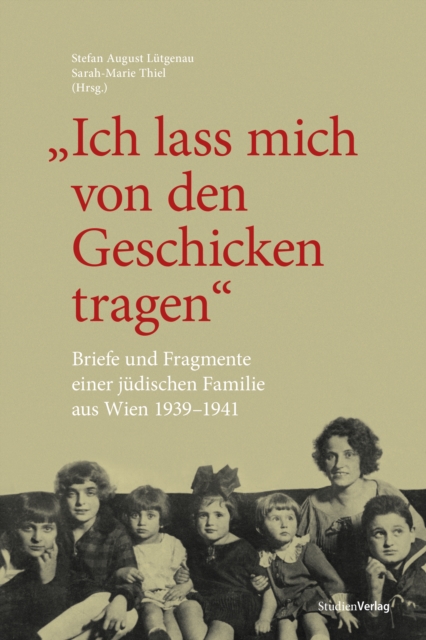
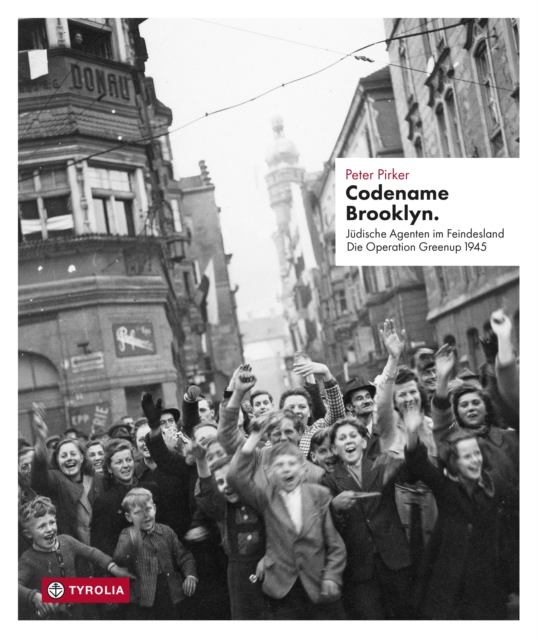
Zu Ostern 1942 befreit der 22-jährige Deutsche Heinrich Heinen unter lebensgefährlichen Bedingungen seine jüdische Braut Edith Meyer aus dem Ghetto von Riga.
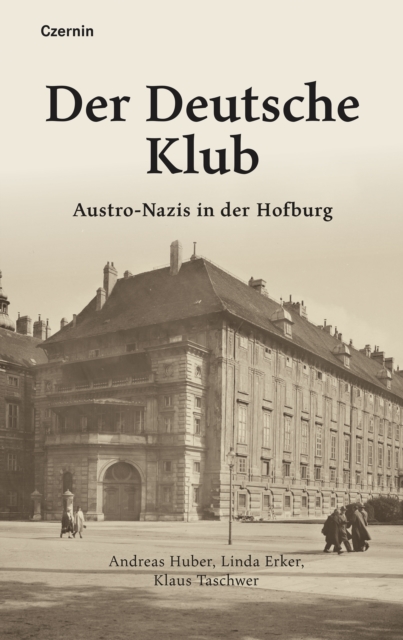
Das mächtige rechte Netzwerk des Deutschen Klubs, der von 1908 bis 1939 in Wien bestand, nahm in der Zwischenkriegszeit auf vielfältige Weise Einfluss auf die politischen Entwicklungen in Österreich.
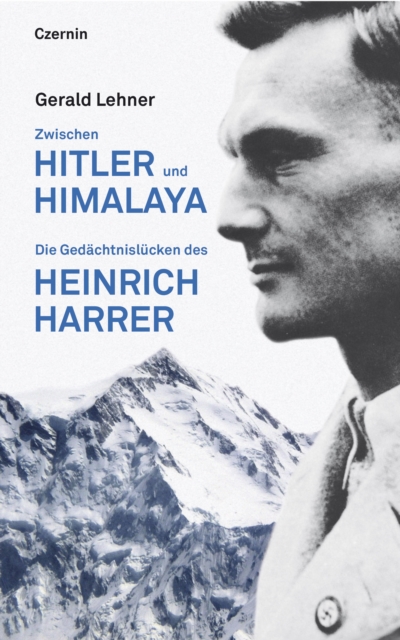
Der Bergsteiger Heinrich Harrer (1912–2006) wird weltweit verherrlicht, sein Beststeller "Sieben Jahre in Tibet" machte ihn zum Helden einer ganzen Generation.
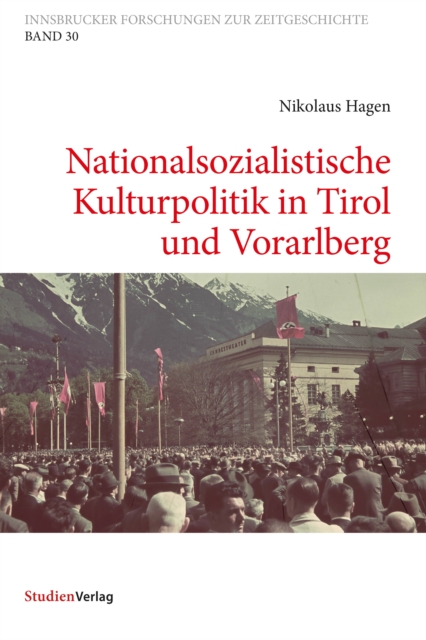
Dieses Buch untersucht erstmals systematisch und umfassend Gestalt und Auswirkungen nationalsozialistischer Kulturpolitik in Tirol und Vorarlberg – vom "Anschluss" im März 1938 bis zum Ende des NS-Regimes im Mai 1945.
Die jüdische Bevölkerung des Russischen Kaiserreichs war bereits vor dem Russischen Bürgerkrieg jahrhundertelang Marginalisierung, Anfeindung und Verfolgung ausgesetzt.
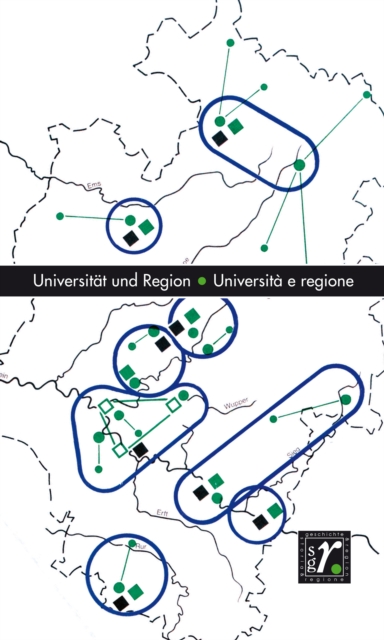
Universitäten sind keine in sich geschlossenen, autarken oder abgeschotteten Institutionen, sondern beziehen sich in vielfältiger Weise und auf unterschiedlichen Ebenen auf ihre räumliche Umwelt.
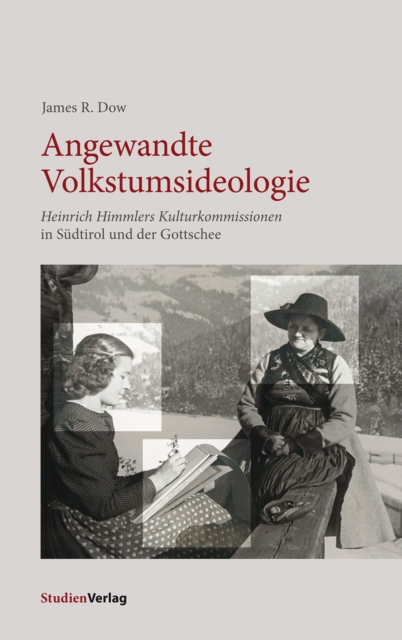
Im Jahr 1939 wurde die überwiegend deutschsprachige Bevölkerung Südtirols vor die Wahl gestellt, entweder in Hitlers Deutsches Reich auszuwandern oder in Mussolinis faschistischem Italien zu verbleiben.
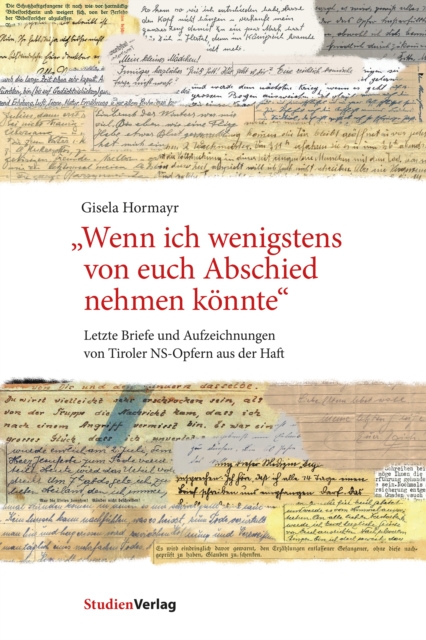
DER "ANSCHLUSS" IN TIROL UND SEINE AUSWIRKUNGENApril 1938 in Tirol: Während eine von langer Hand geplante PROPAGANDAOFFENSIVE die Tiroler Bevölkerung auf den Besuch Adolf Hitlers in INNSBRUCK vorbereitete, wurden mögliche GEGENER DER NEUEN REGIERUNG bereits in den Tagen nach dem "Anschluss" durch AMTSENTHEBUNGEN, willkürliche Hausdurchsuchungen und Verhaftungen eingeschüchtert.
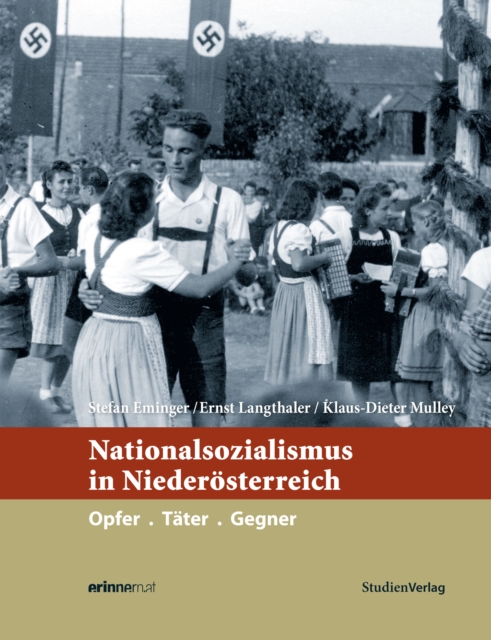
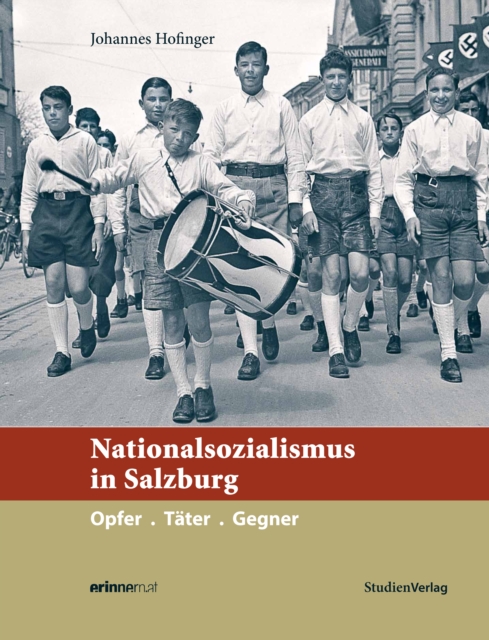
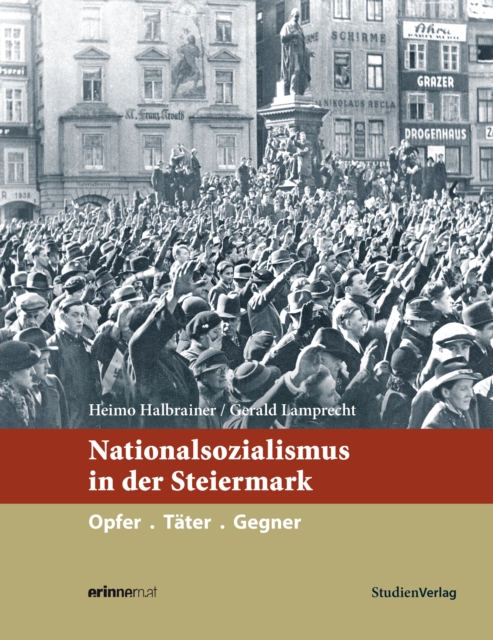
Nationalsozialismus in den österreichischen BundesländernDie Bände in dieser Sachbuchreihe behandeln auf dem neuesten Forschungsstand die wesentlichen Themen zum Nationalsozialismus in den einzelnen Bundesländern.
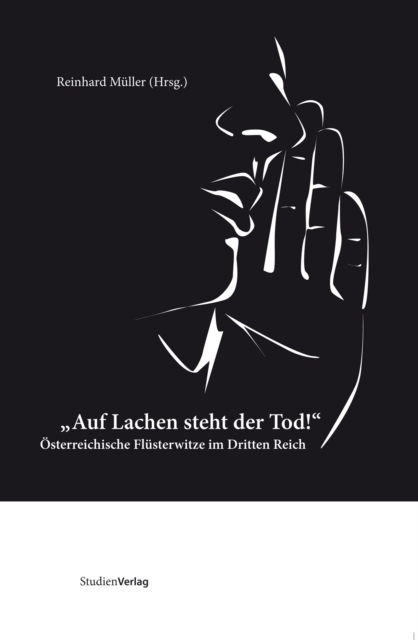
Hanna Dauberger und Minni Schwarz schufen 1946/47 mit der Veröffentlichung ihrer Sammlungen die wichtigste Quelle zum Flüsterwitz in Österreich während des Dritten Reiches.
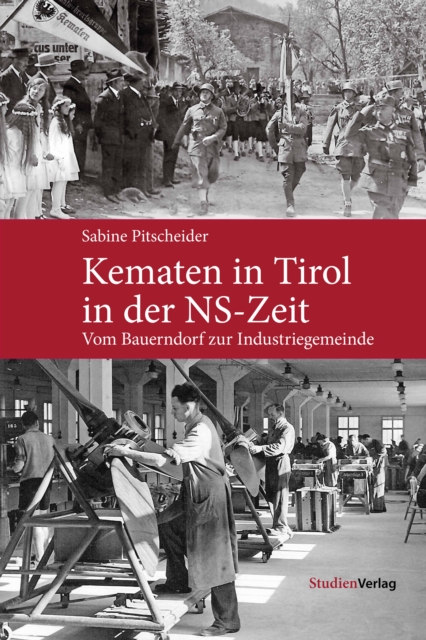
Kematen in Tirol und der Anschluss an das Deutsche ReichDie überwältigende Mehrheit der Ortsansässigen in Kematen in Tirol begrüßte im März 1938 den "Anschluss" an das Deutsche Reich und die Ablösung der ständestaatlichen durch die nationalsozialistische Diktatur.
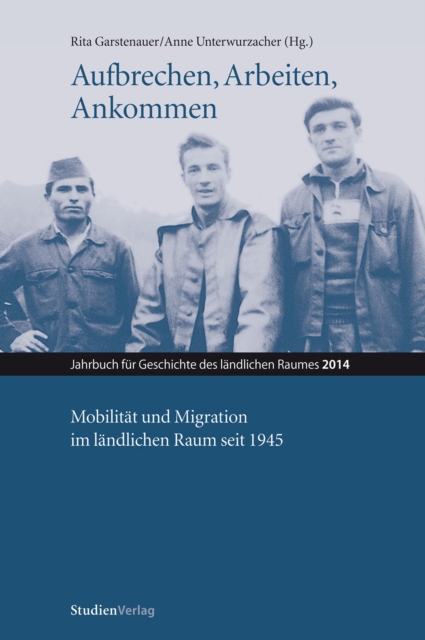
Ländliche Räume gelten oft ausschließlich als Auswanderungsregionen, von denen aus Teile der ansässigen Bevölkerung auf direktem Weg in die städtischen Zentren wandern.
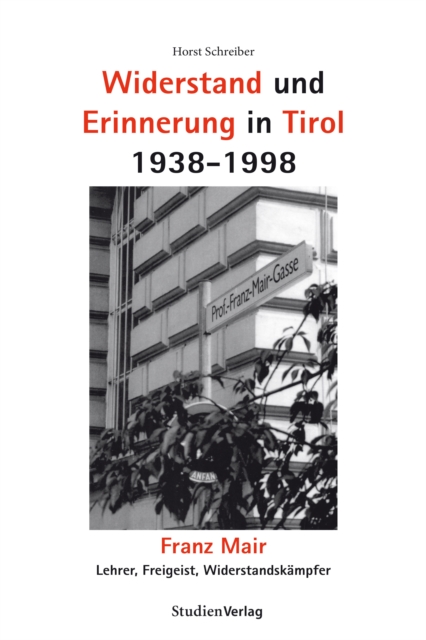
Detailreich und fesselnd entreißt der Autor Leben und Wirken eines Mannes dem Vergessen, der als Lehrer seiner Zeit weit voraus war und im Widerstand gegen den Nationalsozialismus Zivilcourage bewies.
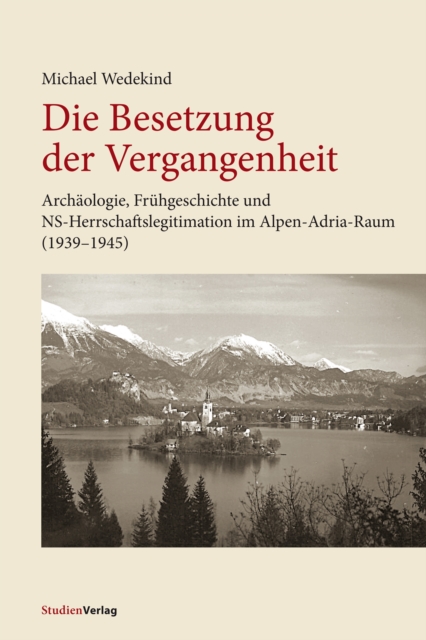
Michael Wedekind legt hiermit erstmals eine Studie zum bislang wenig erforschten Einsatz österreichischer und deutscher Archäologen und Frühhistoriker im Alpen-Adria-Raum während der Zeit des Nationalsozialismus vor.
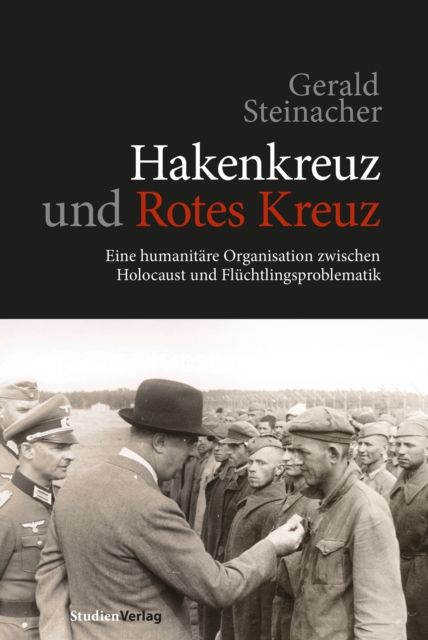
Mit seiner 150-jährigen Geschichte gehört das Internationale Komitee vom Roten Kreuz (IKRK) besonders in Kriegszeiten zu den ältesten und aktivsten Hilfsorganisationen.
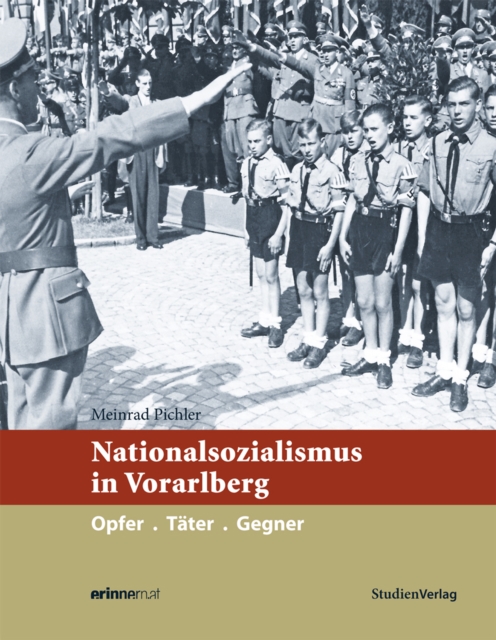
Die Geschichte der nationalsozialistischen Herrschaft in Vorarlberg neu, ansprechend und zusammenfassend erzählt - speziell für junge Leserinnen und Leser, aber auch für interessierte Erwachsene.
Erinnern – gedenken – mahnenWie Bischof Reinhold Stecher die NS-Diktatur und den Krieg erlebt hatAchtzig Jahre nach dem Beginn des Zweiten Weltkriegs ist und bleibt es geboten, die Erinnerung an die Gräuel und die Folgen des nationalsozialistischen Terrorregimes wach zu halten.
Zwischen 1981 und 1986 schickte der Korrespondent des ZDF in Washington, Dieter Kronzucker, neben aktuellen Tagesberichten seine «Bilder aus Amerika» nach Deutschland.