The book documents the history of the prevention-of-mother-to child transmission of HIV (PMTCT) program in Guyana, as well as the impact of HIV on pregnant and postpartum women's adherence to antiretroviral therapy (ART).
The book provides the first detailed account of the complex geographical dynamics restructuring China's manufacturing industries from the evolutionary economic geography perspective.
This book discusses critical policy issues that need to be addressed if India wishes to achieve the SDG 1 based elusive goal of ending poverty in the country.
The book provides the first detailed account of the complex geographical dynamics restructuring China's manufacturing industries from the evolutionary economic geography perspective.
This book discusses critical policy issues that need to be addressed if India wishes to achieve the SDG 1 based elusive goal of ending poverty in the country.
Based on new phenomena appearing in many emerging economies, this book presents a theoretical study on the economic influences of labor transfer from several aspects.
The book pays tribute to the celebrated economist Professor Suresh Tendulkar's contribution and scholarship to economics, economic-policy making, and economic reforms in India.
This book presents an in-depth study on and summary of the current practice and theories for the construction of eco-cities in China in the context of the country's rapid urbanization.
Consumo, medios de comunicación y dominación: Una aproximación a partir de las apetencias de la clase media en el siglo XXI, constituye un extraordinario esfuerzo para dar cuenta de la influencia de los medios de comunicación en la vida social, con énfasis en los patrones de consumo cultural en redes sociales y transs mediática (facebook, youtube, libros, caricaturas, etc.
The novel Murisa continues the story of Feri Lainscek's work "e;Locil bom peno od valov"e; (I Will Divide the Foam from the Waves), published in 2003 and reprinted many times.
After World War Two, a train carries the physically and spiritually broken people who were taken from all over Europe to the German concentration camps back through the Netherlands to a sanatorium in Paris.
Este libro cubre los conocimientos, las destrezas y las habilidades que necesitarás para conseguir un trabajo y tener éxito en el creciente campo de la responsabilidad corporativa.
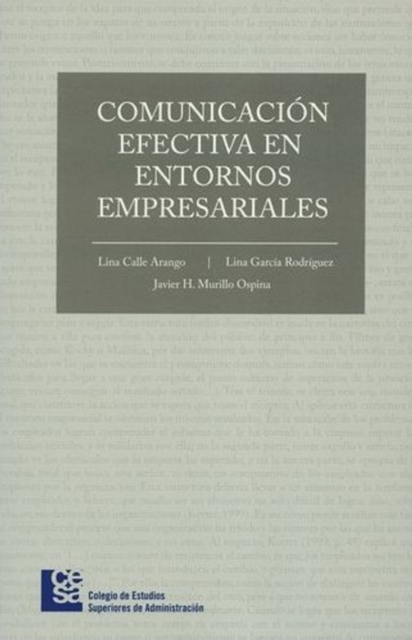
Este libro está escrito para estudiantes, profesores y profesionales del sector empresarial, y se ocupa de proponer y explicar aquellas estrategias que deberían permitirle a un usuario de la lengua mejorar su comunicación y, por lo tanto, ganar credibilidad en un entorno de índole empresarial o de preparación en este campo.
Hace un par de años, más de una década después de que HBO dejará de transmitir Six Feet Under, encontré en la biblioteca Luis Ángel Arango un tomo medio descuadernado de El entrenador: la vida vista desde el oficio fúnebre, del poeta, enterrador y ensayista norteamericano, Thomas Lynch.
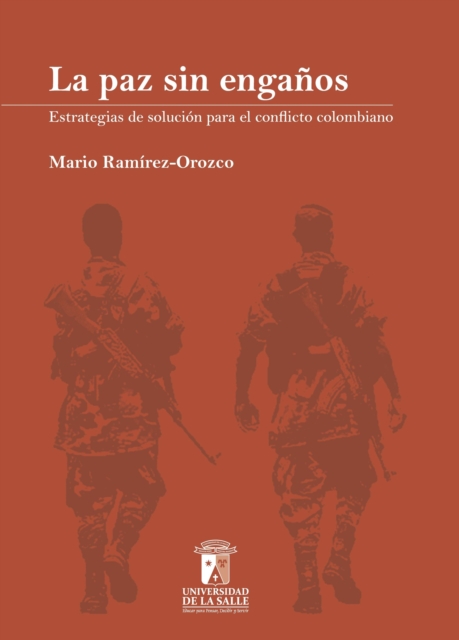
En un pais como Colombia, donde se ha mantenido latente un grave conflicto politico, social y armado, la paz es una necesidad imperiosa; pero no se trata de una paz cualquiera, sino de una de caracter directa como por los efectos inherentes a otras formas de violencia indirectas o encubiertas.
Un periodista de El Espectador, Carlos Mario Correa, y un amigo y confidente suyo, Marco Antonio Mejía, cuentan una de las historias más duras y sórdidas del periodismo colombiano: la persecución que contra este periódico desató el cartel de Medellín, y concretamente Pablo Escobar.
El libro Análisis ideológico de los discursos del proceso de paz en Colombia (2012-2016) hace un recorrido interpretativo por los cientos de palabras que se cruzaron entre los representantes del gobierno de Juan Manuel Santos, incluido él mismo y los voceros de las Farc, a lo largo del Proceso de Paz desarrollado entre 2012 y 2016.
Se habla con frecuencia de la crisis del periodismo, de cómo han desaparecido decenas de publicaciones por falta de recursos económicos o por no adaptarse a las nuevas tecnologías.
Este libro es el segundo de la serie Sociología desde el Caribe colombiano, que inició con la compilación de varios textos inéditos del investigador Alfredo Correa de Andreis en Mirada de un sentipensante (2016).
Las paces construidas desde los territorios son resultado de la interacción entre los procesos de reconocimiento/alineamiento estatal, de la presencia de los actores violentos y de las dinámicas de autonomía local.
Este libro contiene las voces de quienes, con el objetivo de llegar a esos otros que muchas veces no están en la academia, han decidido negociar entre el uso del lenguaje especializado, las normas propias de la publicación académica, la tecnología y las estrategias narrativas.
Rutas del Conflicto, el medio periodístico que ha desarrollado el proyecto "Yo Sobreviví", busca facilitar el acceso a información confiable sobre el conflicto armado en Colombia.
Esta obra plantea una mirada integral a la comunicación oral, aportando conocimientos, experiencias y herramientas en los aspectos verbales y no verbales.
Con esta nueva publicación, muy en el espíritu de nuestro Grupo de estudios interdisciplinario sobre paz, conflicto y posconflicto (JANUS), marcamos el acento sobre un hecho fundamental: cómo cualquier proceso político, económico, social y aún afectivo, la paz tiene sus olvidos y olvidados.
Ante los avances tecnologicos y el cambio en la forma de consumir informacion los medios de comunicacion se estan reinventando, de manera que la practica periodistica se encuentra en constante transformacion.
Este estudio de la historia del tiempo presente en el derecho se acerca al tema de la memoria desde una perspectiva interdisciplinar y de los conocimientos situados.
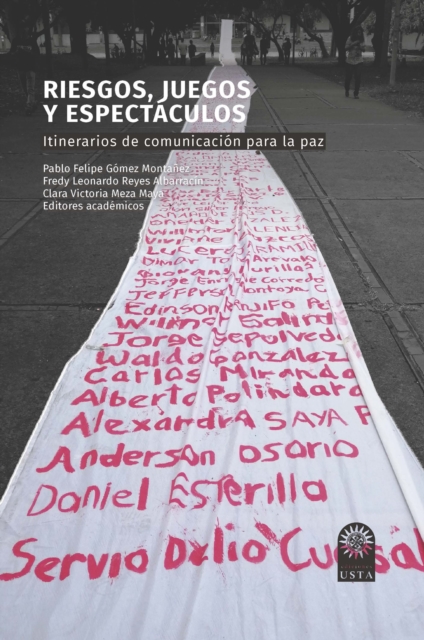
Este libro materializa los resultados de proyectos recientes del grupo de investigación Comunicación, Paz-Conflicto, adscrito a la Facultad de Comunicación Social de la Universidad Santo Tomás y de algunos colaboradores externos, en la comunicación y las ciencias sociales.
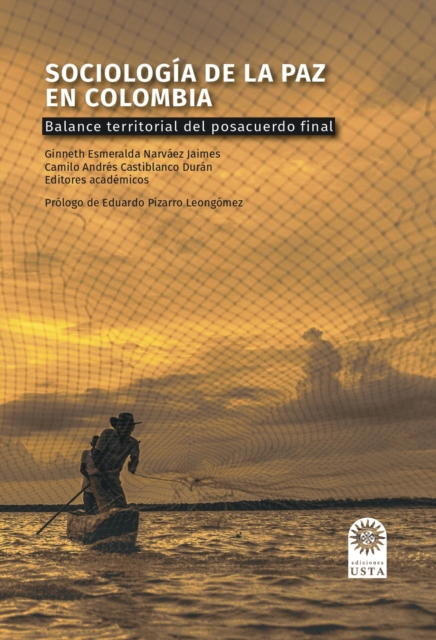
La sociología de la paz nace como respuesta a quienes validan teóricamente las salidas por la vía de la fuerza, surge como un sueño, una utopía que se distancia del régimen hegemónico de la guerra, pero, por ello, justamente se basa en la posibilidad de crear la paz desde abajo, desde las bases, desde el corazón.
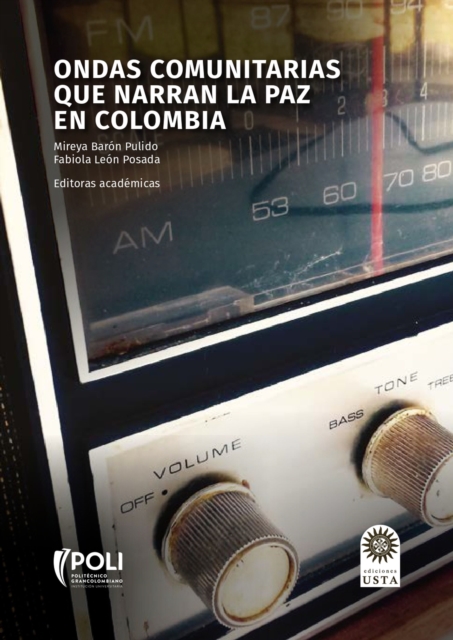
"En esta obra se reconocen algunas de las vivencias que sobre reivindicación de derechos y construcción de una cultura de paz se cuentan, se relatan o se viven desde y en el entorno de la radio comunitaria de siete municipios ubicados en diferentes departamentos y territorios de Colombia, algunos de ellos con una vivencia más cercana y directa del conflicto armado.
Este libro reune importantes reflexiones que dan continuidad a los estudios que se adelantan en Colombia, y particularmente en la region de la Orinoquia, sobre los problemas que genera el conflicto, sus victimas y la atencion del Gobierno en materia de implementacion de los acuerdos de paz.
Los procesos de reconciliacion en el escenario de la rehabilitacion posbelica en Colombia y la posibilidad de la construccion de paz territorial emergen de los aprendizajes colectivos junto a las practicas de resistencia y defensa de los territorios.
Este libro presenta los resultados obtenidos en el desarrollo de la investigación Expresiones de la violencia,análisis narrativo de la figura de Laureano Gómez Castro, de la Facultad de Comunicación Social de la Universidad Santo Tomás, la cual centró su objetivo en estudiar las narraciones y los sentidos que en torno a la figura de este controvertido líder político conservadorse configuran en distintas materialidades mediáticas: audiovisuales, discursos, cómics y textos periodísticos, literarios y eclesiásticos.
Han pasado casi cinco décadas desde la invención de Internet y tras años de investigaciones preocupadas por cuestiones de índole instrumental y operativa, en la actualidad tiene lugar un giro comunicativo y cultural.
El presente libro es el resultado de investigación de distintos proyectos en América Latina que se enlazan desde el Programa-Red Estudios del Rururbano en América Latina (ELER).