A brand new version of the best-selling enquiry desk reference text, Know it All, Find it Fast, specifically designed for those working with children and young people in schools, public libraries and at home.
This cutting-edge and comprehensive introduction to digital humanities explains the scope of the discipline and state of the art and provides a wide-ranging insight into emerging topics and avenues of research.
How do archives and other cultural institutions such as museums determine the boundaries of a particular community, and of their own institutional reach, in constructing effective strategies and methodologies for selecting and maintaining appropriate material evidence?
Whilst there is no shortage of professional literature discussing the changing nature of libraries and information organizations in the digital age, words such as innovation, entrepreneurship and creativity make only occasional appearances.
Assessing impact is increasingly critical to the survival of services: managers now require comprehensive information about effectiveness, especially in relation to users.
The web is now an integral part of students' lives in school and in society, and they need to be ever more web alert in order to gain the most from their education.
This book offers practical strategies for all library and information practitioners and policy makers with responsibility for developing and delivering information literacy programmes to their users.
This easy-to-use book is an invaluable source of inspiration for any librarian involved in teaching information literacy, providing practical guidance on tried and tested ideas and techniques for sessions.
In these turbulent times, with the challenges of a constantly changing job market, shifting information-seeking behaviour and a vast array of new resources continually being produced, library and information services need to constantly keep one step, or more, ahead of their users.
This book examines the changing roles of the librarian and how working within a rich digital environment has impacted on the ability of professionals to develop the appropriate 'know how', skills, knowledge and behaviours required in order to operate effectively.
This latest volume of the Advances in Librarianship series presents original research exploring the modern state of democracies and social institutions, the contributions of libraries to the health and progress of democracies, and the political problems currently facing libraries as institutions.
This latest volume of the Advances in Librarianship series presents original research exploring the modern state of democracies and social institutions, the contributions of libraries to the health and progress of democracies, and the political problems currently facing libraries as institutions.
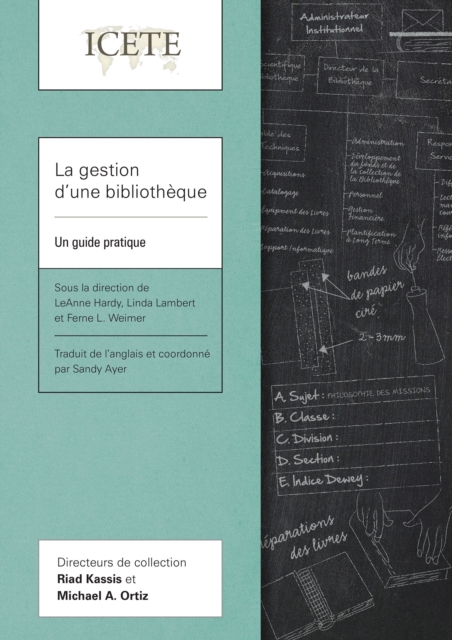
Ce guide pratique contient toutes les étapes des tâches quotidiennes des bibliothécaires : le catalogage, le traitement des documents, l’organisation de la bibliothèque, pour ne citer que celles-ci.
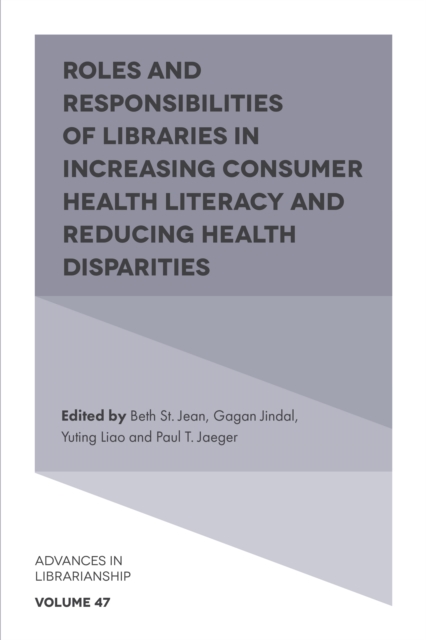
The rampant health injustices that occur daily throughout the world are exacerbated by health information injustice - something which libraries and librarians play an instrumental role in addressing.
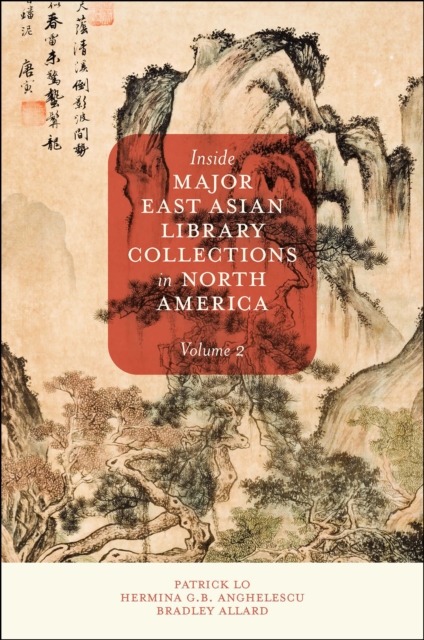
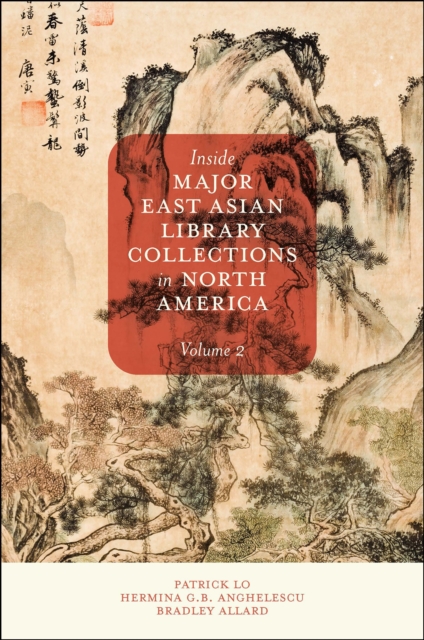
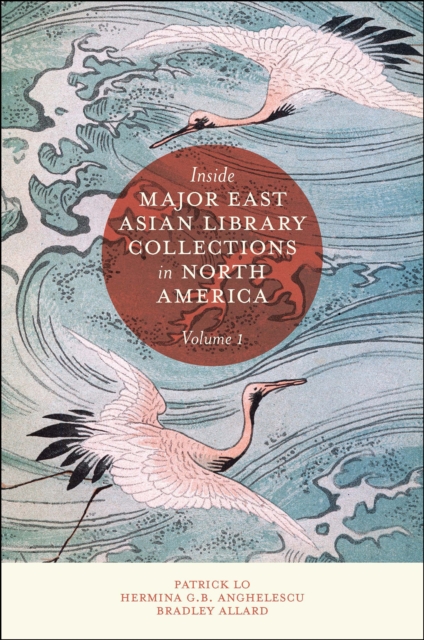
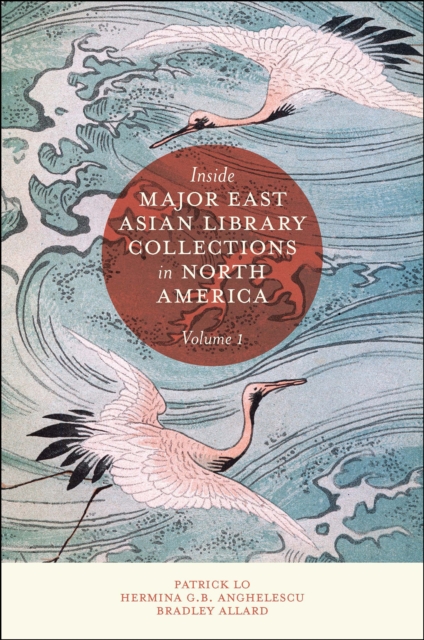
As a branch of International and Area Studies Librarianship (IASL), East Asian Librarianship has become increasingly important in an age of globalization as scholars engage in interdisciplinary research and study.
As a branch of International and Area Studies Librarianship (IASL), East Asian Librarianship has become increasingly important in an age of globalization as scholars engage in interdisciplinary research and study.
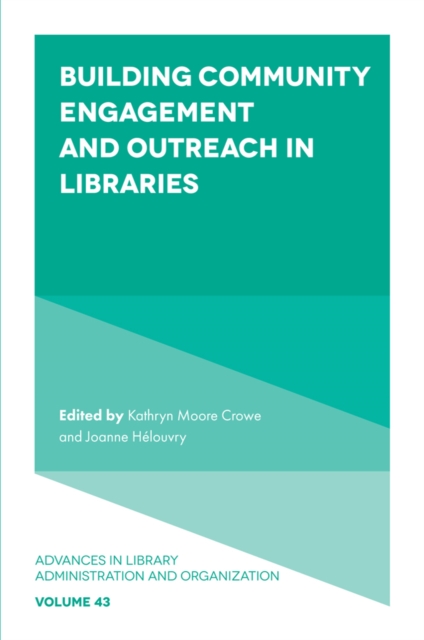
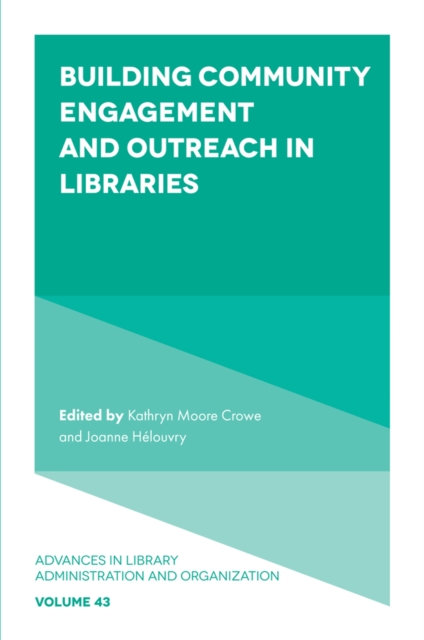
Libraries seeking to grow or enhance community outreach will welcome Building Community Engagement and Outreach in Libraries to assist them in planning and executing engagement programs.
Libraries seeking to grow or enhance community outreach will welcome Building Community Engagement and Outreach in Libraries to assist them in planning and executing engagement programs.
Volume 2 of the two part collection Stories and Lessons from the World's Leading Opera, Orchestra Librarians, and Music Archivists, explores the current trends and practices in the field of music performance librarianship.
As a branch of International and Area Studies Librarianship (IASL), East Asian Librarianship has become increasingly important in an age of globalization as scholars engage in interdisciplinary research and study.
As a branch of International and Area Studies Librarianship (IASL), East Asian Librarianship has become increasingly important in an age of globalization as scholars engage in interdisciplinary research and study.
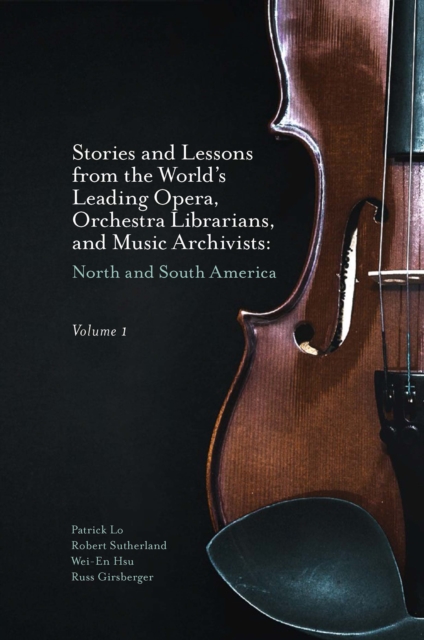
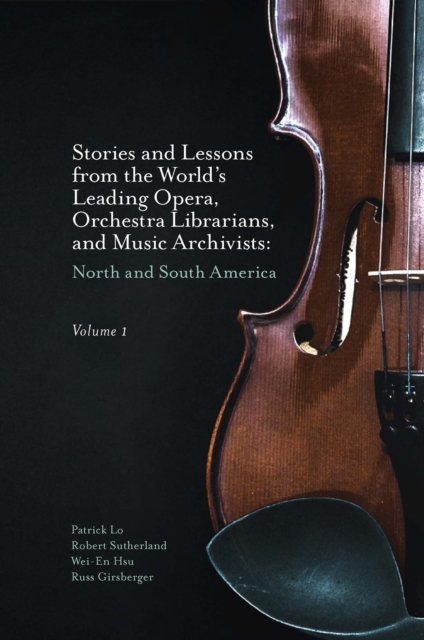
This volume contains two Open Access Chapters Volume 1 of the two part collection Stories and Lessons from the World s Leading Opera, Orchestra Librarians, and Music Archivists, explores the current trends and practices in the field of music performance librarianship.
This volume contains two Open Access Chapters Volume 1 of the two part collection Stories and Lessons from the World s Leading Opera, Orchestra Librarians, and Music Archivists, explores the current trends and practices in the field of music performance librarianship.
Jump Start Your Career in Library and Information Science is designed to help new librarians begin to manage a successful and satisfying career in the library and information science profession.
This book critically examines the organization of knowledge as it is involved in matters of digital communication, the social, cultural and political consequences of classifying, and how particular historical contexts shape ideas of information and what information to classify and record.
Award-winning information theorists and practitioners Pearlstein andMatarazzo have assembled a group of top international authors with experiencein public, academic, government, and special library settings, includingexperienced independent information professionals, to address the criticalissues facing Information Management (IM) today.
Award-winning information theorists and practitioners Pearlstein andMatarazzo have assembled a group of top international authors with experiencein public, academic, government, and special library settings, includingexperienced independent information professionals, to address the criticalissues facing Information Management (IM) today.
Libraries are dealing with unprecedented changes on several fronts: technological developments, funding difficulties, and an increasing need to prove themselves to a demanding population.
Academic, public, school, and special libraries are all institutions of human rights and social justice, with an increasingly apparent commitment to equality, to ethical principles based on rights and justice, and to programs that meet needs related to human rights and social justice.
This volume of Advances in Library Administration and Organization takes as its underpinning theme the whole subject of innovation in Library and Information Services.