All libraries have patrons and staff members with disabilities, making equitable service a priority for these organizations as they provide diverse services to their entire communities.
This volume is unusual in that the theme is quite broad in scope yet focused on a specific topic; innovations and boundary-pushing studies in areas not usually found in library literature.
Volume 37 of Advances in Librarianship presents detailed examples of local and regional mergers and collaborations and serves as a companion to Volume 36 which presented a comprehensive broad review of the factors that lead to mergers and other alliances, and the methods used to ensure effective and successful collaborations.
The Academic Teaching Librarian's Handbook is a comprehensive resource for academic library professionals and LIS students looking to pursue a teaching role in their work and to develop this aspect of their professional lives in a holistic way throughout their careers.
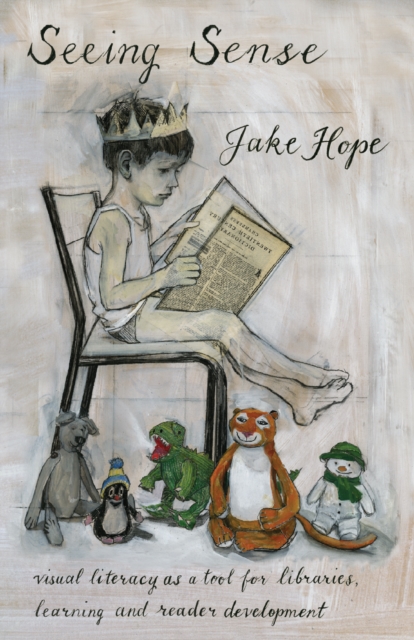
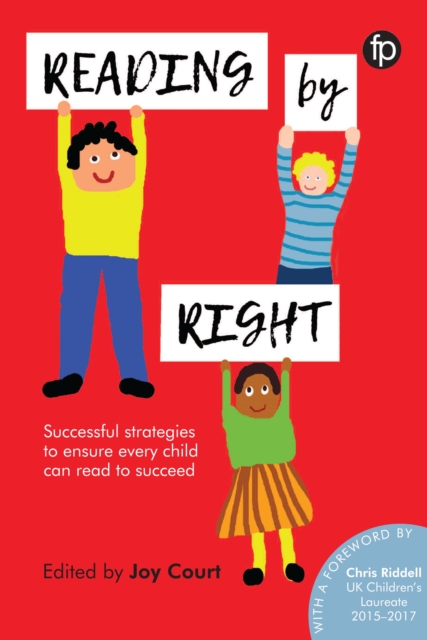
Foreword by Sir Philip Pullman, CBE, FRSL Illustrated foreword by Chris Riddell, OBEThe burgeoning field of visual literacy can be universally understood across a wide variety of cultural backgrounds, regardless of traditional literacy levels.
A-Z Common Reference Questions for Academic Librarians is a survival guide for frontline library staff to help them find appropriate information quickly, whether they are answering questions at a physical help desk or remotely by telephone, email or instant messaging service.
Research Data Management (RDM) has become a professional topic of great importance internationally following changes in scholarship and government policies about the sharing of research data.
This new edition offers a fully updated and expanded overview of the field of information organization, examining the description of information resources as both a product and process of the contemporary digital environment.
Successful Enquiry Answering Every Time is designed to guide information professionals through all the stages of research, from finding out what the enquirer really wants, to providing a polished, value-added answer.
This book provides a 'no-nonsense' guide to project management which will enable library and information professionals to lead or take part in a wide range of projects from large-scale multi-organisation complex projects through to relatively simple local ones.
The Handbook of Art and Design Librarianship integrates theory and practice to offer guidelines for information professionals working in art and design environments who need to support and anticipate the information needs of artists, designers, architects and the historians who study those disciplines.
An insider's guide to data librarianship packed full of practical examples and advice for any library and information professional learning to deal with data.
This book offers innovative tips and tried-and-tested best practice to enable library and knowledge workers to take control of professional development regardless of the budget and time available to them.
This book provides strategic insights drawn from librarians who are meeting the challenge of digital scholarship, utilizing the latest technologies and creating new knowledge in partnership with researchers, scholars, colleagues and students.
This book traces the trajectory of the community archives movement, expanding the definition of community archives to include sites such as historical societies, social movement organisations and community centres.
Freedom of information (FOI) is now an international phenomenon with over 100 countries from Albania to Zimbabwe enacting the right to know for their citizens.
This book builds a research-grounded, theoretical foundation for evidence based library and information practice and illustrates how librarians can incorporate the principles to make more informed decisions in the workplace.
This book takes a strategic approach to the leadership of school libraries and will inspire and enable school librarians to think creatively about their work and the community in which they operate.
This practical guide offers innovative tips and reliable best practice to enable new and experienced library and information professionals to evaluate their current provision and develop their service to meet the evolving needs of the research community.
Emerging Strategies for Supporting Student Learning provides a straightforward and accessible guide to the latest learning and teaching practices appropriate for use with higher education students.
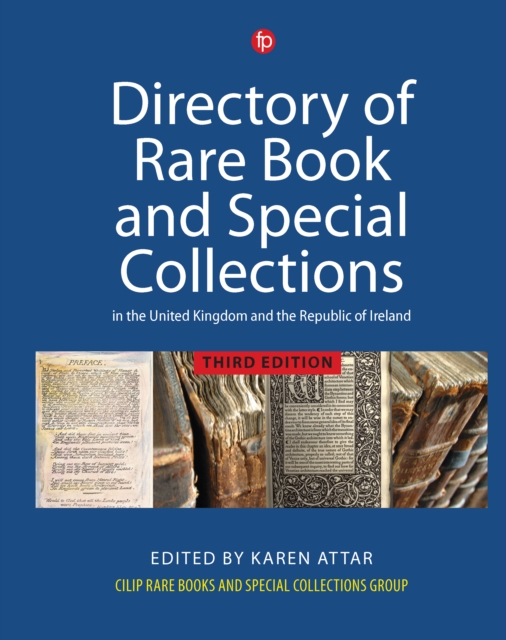
The new in paperback edition of the Directory of Rare Book and Special Collections in the UK and Republic of Ireland, 3rd edition features an additional 72 libraries not represented in former editions.
This inspiring book will enable academic librarians to develop excellent research and instructional services and create a library culture that encompasses exploration, learning and collaboration.
Thoroughly updated to reflect the new requirements of CILIP's revamped suite of Professional Registration qualifications, this is the essential 'how to' guide to producing a successful portfolio.
A brand new edition of the highly successful M-Libraries series, this draws together cutting-edge international contributions from the leading authorities in the field.
This book will inform and inspire librarians, archivists, curators and technologists to make better use of data to help inform decision-making, the development of new services and the improvement of the user experience.
Volume 36 provides a broad review of the factors that lead to mergers and other alliances, the methods used to ensure effective and successful collaborations, and descriptions of the factors which contributed to less successful efforts at consolidation.
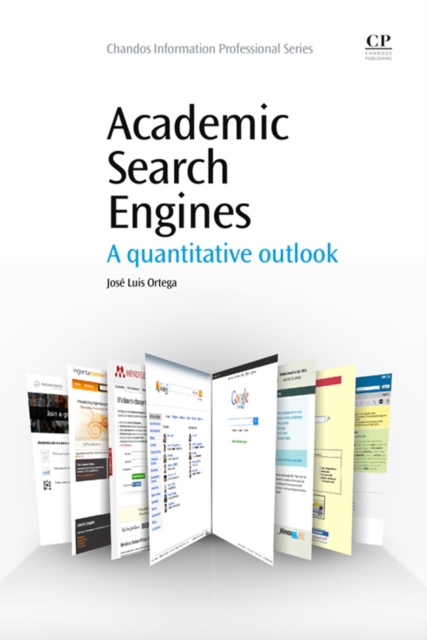
Academic Search Engines intends to run through the current panorama of the academic search engines through a quantitative approach that analyses the reliability and consistence of these services.
Following on from the first edition of this book, the second edition fills the gap between more complex theoretical texts and those books with a purely practical approach.
Archives in the Digital Age: Standards, Policies and Tools discusses semantic web technologies and their increased usage in distributing archival material.
Managing Your Brand: Career Management and Personal PR for Librarians sets out guidelines for developing career pathways, including options for career change and the exploration of community service, as an avenue that can provide new opportunities.
Academic libraries have continually looked for technological solutions to low circulation statistics, under-usage by students and faculty, and what is perceived as a crisis in relevance, seeing themselves in competition with Google and Wikipedia.
In the dynamic and interactive academic learning environment, students are required to have qualified information literacy competencies while critically reviewing print and electronic information.
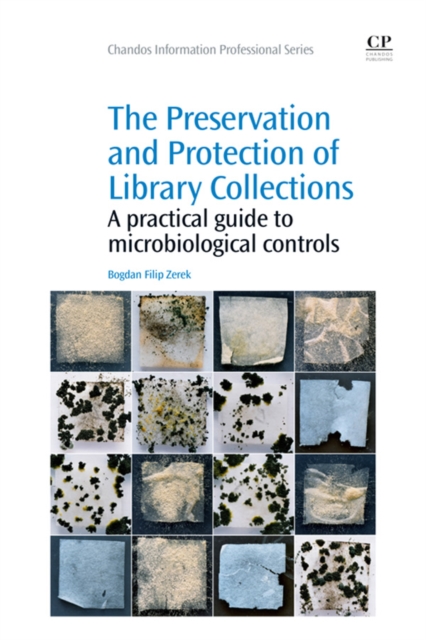
Preservation involves a complex of activities including climate, air-quality, and surface control, as well as microbiological control, which is a key part of preserving and protecting library collections.
Accidental Information Discovery: Cultivating Serendipity in the Digital Age provides readers with an interesting discussion on the ways serendipity-defined as the accidental discovery of valued information-plays an important role in creative problem-solving.