To say that graphic novels, comics, and other forms of sequential art have become a major part of popular culture and academia would be a vast understatement.
Designed for public librarians, school media specialists, teachers, and anyone with an interest in supporting teen literacy, this book features 133 nonfiction booktalks to use with both voracious and reluctant teen readers.
An incisive history of the controversial Google Books project and the ongoing quest for a universal digital libraryLibraries have long talked about providing comprehensive access to information for everyone.
Originally published in 1957, The Book World Today was the most comprehensive survey yet attempted of the making and distribution of books in Britain at the time.
This thought-provoking collection of essays is essential reading for anyone who cares about cultural institutions and their role in the community of learners.
Focusing on the most compelling titles across the vast area of imaginative fantasy and science fiction literature and media, this book showcases creative ways to build on existing interest in these genres and promote reading, literacy, and critical thinking.
Teaching Information Seeking redefines how we approach research and information literacy in today's information-rich world, inviting teachers to re-imagine teaching research.
Library and Information Studies for Arctic Social Sciences and Humanities serves as a key interdisciplinary title that links the social sciences and humanities with current issues, trends, and projects in library, archival, and information sciences within shared Arctic frameworks and geographies.
Library and Information Studies for Arctic Social Sciences and Humanities serves as a key interdisciplinary title that links the social sciences and humanities with current issues, trends, and projects in library, archival, and information sciences within shared Arctic frameworks and geographies.
First published in 1992, This guide, one of a series looking at library automation systems, will not only help prospective users in their systems choice, but will also give current a better appreciation of the potential of their own system.
First published in 1992, This guide, one of a series looking at library automation systems, will not only help prospective users in their systems choice, but will also give current a better appreciation of the potential of their own system.
First published in 1992, this guide examines GEAC's place in the automated libraries' market and describes the hardware and software products available.
First published in 1992, this guide examines GEAC's place in the automated libraries' market and describes the hardware and software products available.
Library Collaborations and Community Partnerships illustrates the value of libraries and their resources through an array of alliances to improve health and enhance people's lives.
Library Collaborations and Community Partnerships illustrates the value of libraries and their resources through an array of alliances to improve health and enhance people's lives.
Writing Centers at the Center of Change looks at how eleven centers, internationally, adapted to change at their institutions, during a decade when their very success has become a valued commodity in a larger struggle for resources on many campuses.
Writing Centers at the Center of Change looks at how eleven centers, internationally, adapted to change at their institutions, during a decade when their very success has become a valued commodity in a larger struggle for resources on many campuses.
As the electronic era blurs the boundaries between conventional and distance education and between remote and in-person library users, the literature on library issues and distance learning has proliferated immensely.
With insightful comments from a variety of sources-and a generous dose of humor-Shuman builds fictional scenarios that are guaranteed to get librarians thinking, What if.
Since the mid 1980s academic libraries have established minority residency programs in an effort to increase the representation of librarians of color in their institutions.
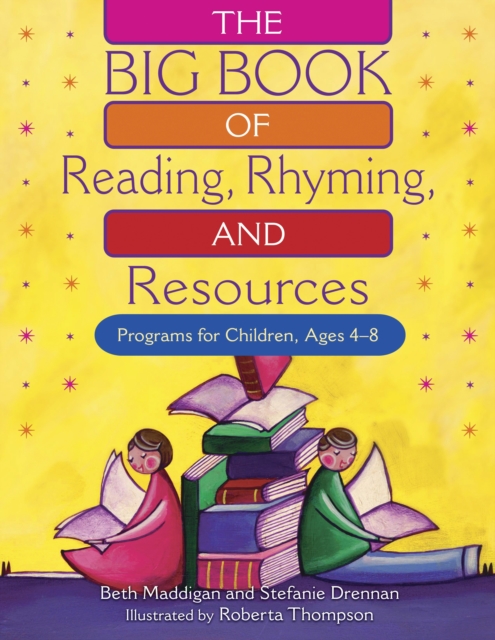
Promote reading and literacy with this wonderful assortment of lively, fast-paced, fun-filled children's programs specifically designed for children aged 4 through 8.
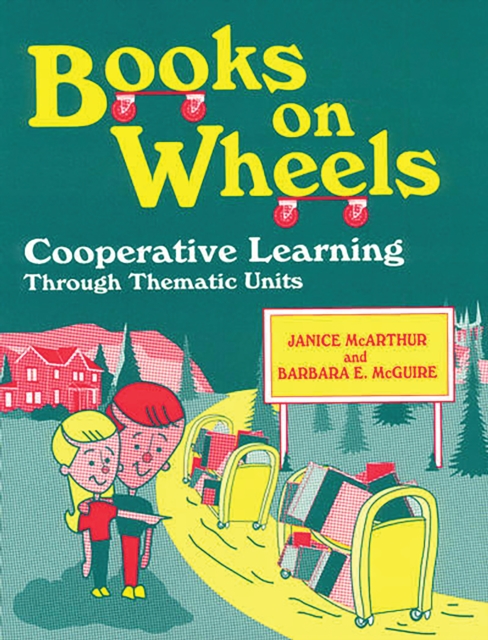
Calling for structured interaction between students and books, Leonard specifies how teachers and media specialists can collaborate to create a library media-centered program that develops the talents of all K-6 students.