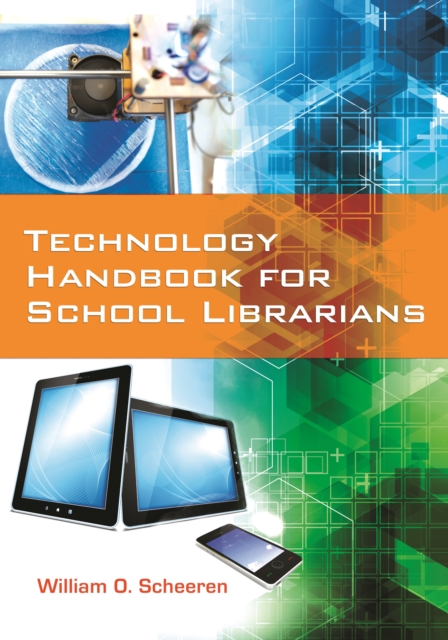
Stay current, meet educational standards, and keep your students coming back again and again by incorporating the latest technologies into your school library.
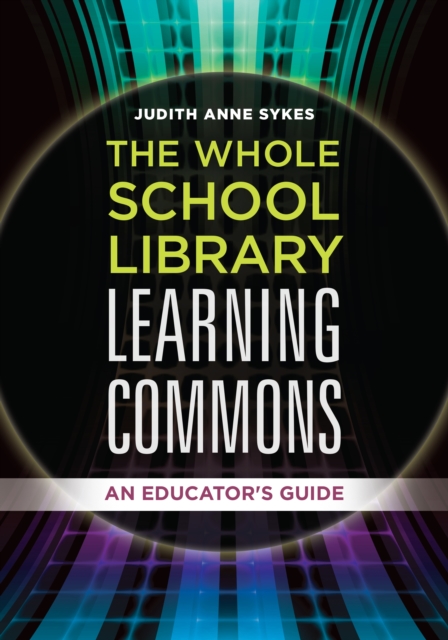
Introduce your teachers, librarians, and administrators to the roles and responsibilities of educators in advocating a whole school library learning commons using this step-by-step guide for creating shared learning space in your school.
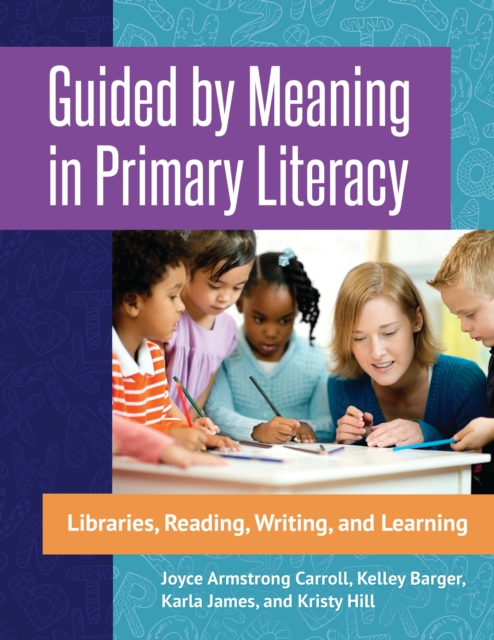
Using a research-based approach, this book examines the critical connections between writing and reading, and it explains how to encourage early literacy in the classroom and library.
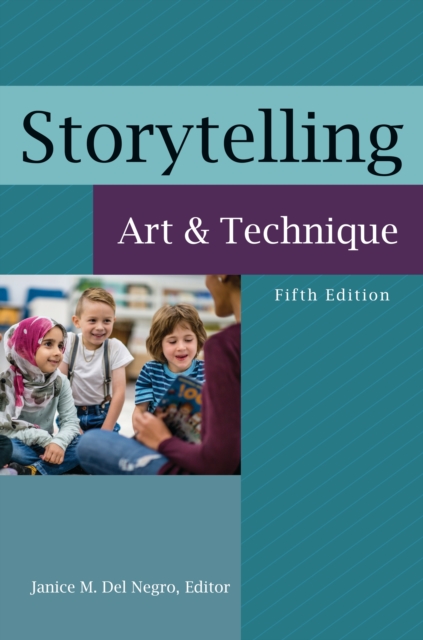
This book serves as both a textbook and reference for faculty and students in LIS courses on storytelling and a professional guide for practicing librarians, particularly youth services librarians in public and school libraries.
This book leads readers through an intriguing examination of how books began and have evolved through history and explores where future technologies may lead them.
This quick-start guide explains how to use inquiry to promote civic engagement in the school library makerspace and provides ready-to-use ideas for hands-on service projects.
Providing a treasury of community partnership opportunities and resources for innovative learning experiences, this title helps Future Ready Librarians to create authentic, student-centered experiences that address American Association of School Librarians (AASL) standards.
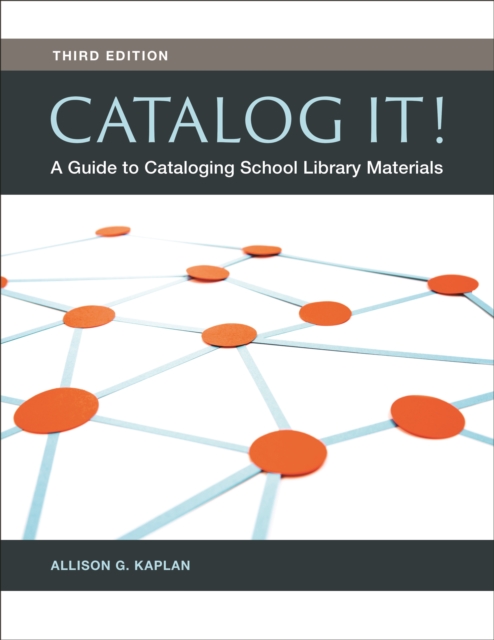
Whether you're a practicing cataloger looking for a short text to update you on the application of RDA to cataloging records or a school librarian who needs a quick resource to answer cataloging questions, this guide is for you.
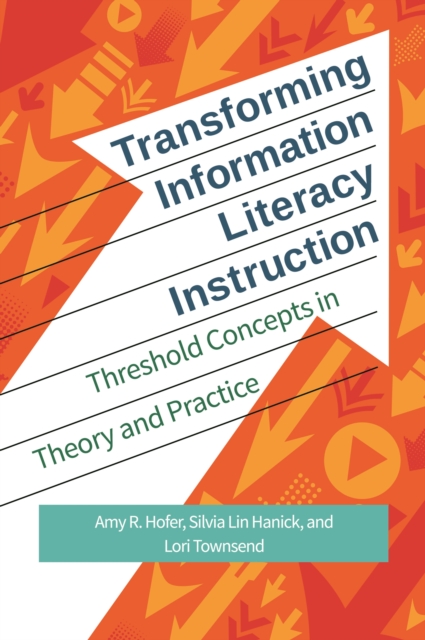
Provides information literacy practitioners with a thorough exploration of how threshold concepts can be applied to information literacy, identifying important elements and connections between each concept, and relating theory to practical methods that can transform how librarians teach.
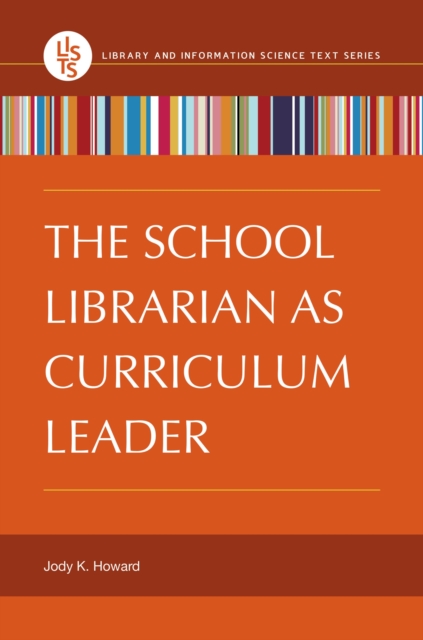
One of the only books to offer a behind-the-scenes look at the role of school librarians in student success, this guide offers everything you'll need to develop, align, and evaluate curriculum with your library collection in mind.
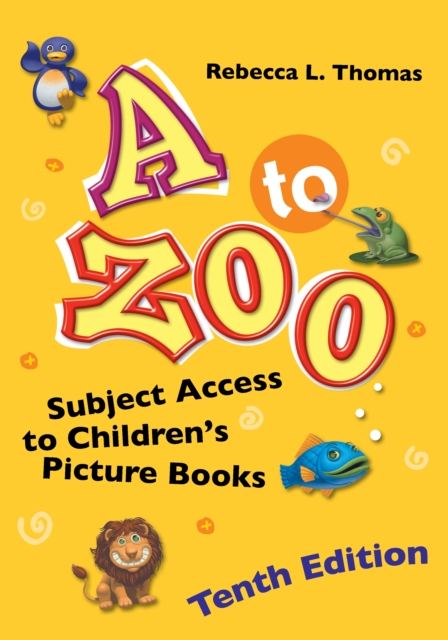
Whether used for thematic story times, program and curriculum planning, readers' advisory, or collection development, this updated edition of the well-known companion makes finding the right picture books for your library a breeze.
Through the perspectives of interlibrary loan (ILL) specialists, this book examines what ILL departments are doing, the value of ILL librarians in the evolving library environment, and how library collections and services are being affected by new ILL policies.
Borrowing winning techniques from the business world, this book examines ways you can make library service more personalized, focused, and solutions-oriented for your patrons.
Published in partnership with the International Association of School Librarianship, this work gathers together the latest and most important research on the topics of social justice and cultural competency in school libraries.
Colleges typically have writing centers to which students can bring their writing assignments to a peer tutor for assistance, but most high schools and middle schools do not.
This essential guide has exactly the right books to help you celebrate special days throughout the year-even "e;holidays"e; you've never heard of-and provides hundreds of fun titles and activities that could inspire your students to become life-long readers.
Maker learning spaces in schools and public libraries are made real through the narratives of professional librarians around the world, comprising the collaborative activities, experiences, and perspectives of librarians as they have implemented makerspaces for students of all ages.
Unleash new possibilities for reading promotion and readers' advisory with these technological tools that can help you to catch the interest of young readers and direct them toward positive reading experiences.
Using concrete examples, The School Librarian's Technology Playbook offers strategies for school librarians to initiate and support innovative practices throughout their school community.
Designed to promote literacy in young children and to empower parents, educators, and librarians, this guide is filled with simple strategies, creative activities, and detailed instructions that help make reading fun.
Drawing on stories from successful programs and research, this book shows librarians how to provide students with the practical information they need for a bright future.
This book provides an introduction and helpful guide to online education for librarians and educators in the K-12, public, and academic library settings.
Explore exciting programs and initiatives that can both engage undergraduate students with academic libraries and assist academic librarians in creating a vibrant library atmosphere.
Learn how to set up a student-led podcast in your library, involve staff from several subject areas, market effectively, what challenges you are likely to face, and how podcasting will benefit the students and school overall.
This comprehensive book takes the reader through the necessary steps to develop user buy-in and assistance in creating a learner-driven library program.
A fascinating and informative read for librarians, library staff, and MLIS students, this book offers practical information and professional guidelines to examine current issues in censorship and libraries while also enabling readers to consider their own opinions about intellectual freedom.
Building on the author's work in The Big Book of Teen Reading Lists, this book provides 101 new and revised reading lists created in consultation with teachers and public librarians-an invaluable resource for any educator who plans activities for children that involve using literature.
This beginner's guide to 3D design and printing provides librarians with lessons, tips, and instructions for integrating these technologies into the K-12 standards-based curriculum.
If you're a librarian charged with collecting curriculum materials and children's literature to support the Common Core State Standards, then this book-the only one that offers explicit advice on collection development in curriculum collections-is for you.
This one-stop guide to nurturing six core early literacy skills at your library also offers practical tips for sharing these skills with parents, teachers, and other caregivers so they can institute them in playgroups, in school, or at home.
This guide provides library directors, managers, and administrators in all types of libraries with complete and up-to-date instructions on how to evaluate library services in order to improve them.
Written specifically to address the library's role in education, this book provides guidance on performing assessment at academic institutions that will serve to improve teaching effectiveness and prove your library's impact on student learning outcomes-and thereby demonstrate your library's value.
This manual is a "e;one-stop shop"e; on how to present storytimes to suit different audiences including bilingual learners, special needs children, and those in a variety of settings such as Head Start, preschools, and day care situations.
This inspiring guide shows how to implement the principles of the Slow Book movement in college campus libraries as well as public and high school libraries, with the ultimate goals of encouraging pensive reading habits and creating a lifelong enjoyment of books.
This book places guided inquiry in the context of curricular and technological change and provides guidelines for building the long-term culture and capacity for effective inquiry learning in schools.
An ideal resource for cultural heritage professionals who teach with original materials, this book provides fresh, adaptable, and easy-to-implement primary source literacy exercises to improve their teaching and engage their students.