Using concrete examples, The School Librarian's Technology Playbook offers strategies for school librarians to initiate and support innovative practices throughout their school community.
This guide helps librarians improve service with easy-to-follow strategies and techniques to make physical changes in library space and streamline procedures.
Current research is pushing schools to adopt more student-centered approaches to the classroom experience, and educators-librarians and classroom teachers alike-are being challenged to revise their curricula and instruction to be student-centered, personalized, and differentiated.
This book connects to the new AASL standards, ISTE Standards for Students, and provides simple directions for using a variety of books to create maker activities that deepen the reading experience.
Busy elementary librarians need help applying the new AASL Standards Framework, especially in collaboration with social studies teachers seeking to apply the social studies standards framework.
Not only does this book offer insights into how to better serve all seniors, but it also provides complete step-by-step instructions for dozens of exciting and engaging programs that can be held both onsite and offsite.
This down-to-earth book offers practical marketing solutions for reaching students, faculty, and administration in community college and university libraries, based on real-world examples of team-based communication and practice.
This up-to-date volume of topical School Library Connection articles provides school librarians and LIS professors with a one-stop source of information for supporting the core library principle of intellectual freedom.
This book serves as both a textbook and reference for faculty and students in LIS courses on storytelling and a professional guide for practicing librarians, particularly youth services librarians in public and school libraries.
Published in partnership with the International Association of School Librarianship, this work gathers together the latest and most important research on the topics of social justice and cultural competency in school libraries.
This book offers 101 passive programming ideas that are extendable, adaptable, customizable, and above all, stealable-so your passive programming never runs dry.
Learn how to set up a student-led podcast in your library, involve staff from several subject areas, market effectively, what challenges you are likely to face, and how podcasting will benefit the students and school overall.
This collection of ideas for lessons provides school librarians with inspiration for meeting the tsunami of new standards dictating change for today's next generation learners.
This book leads readers through an intriguing examination of how books began and have evolved through history and explores where future technologies may lead them.
Providing a treasury of community partnership opportunities and resources for innovative learning experiences, this title helps Future Ready Librarians to create authentic, student-centered experiences that address American Association of School Librarians (AASL) standards.
Drawing on stories from successful programs and research, this book shows librarians how to provide students with the practical information they need for a bright future.
This unique guide offers fresh insights on how graphic novels and comics differ from traditional books and require different treatment in the library-from purchasing, shelving, and cataloging to readers' advisory services, programs, and curriculum.
Unleash new possibilities for reading promotion and readers' advisory with these technological tools that can help you to catch the interest of young readers and direct them toward positive reading experiences.
Today's increasingly interconnected and globalized world demands that students be taught to appreciate human diversity and recognize universally held values and beliefs.
This book explores how mental illness is portrayed in 21st-century young adult fiction and how selected works can help teachers, librarians, and mental health professionals to more effectively address the needs of students combating mental illness.
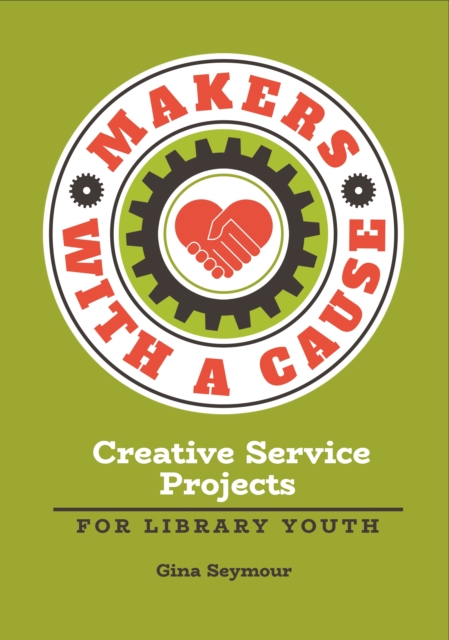
This quick-start guide explains how to use inquiry to promote civic engagement in the school library makerspace and provides ready-to-use ideas for hands-on service projects.
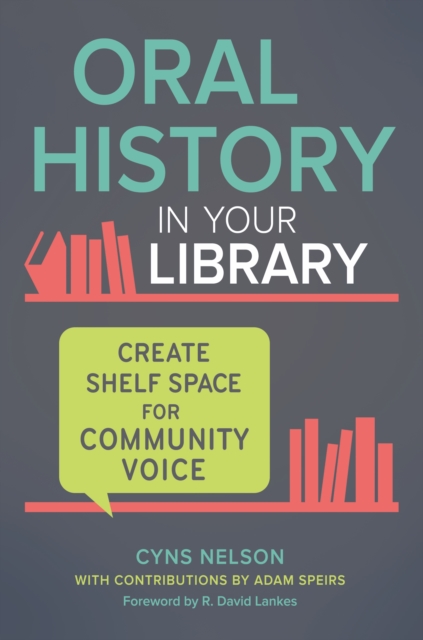
Discover the true value and exciting possibilities of oral history in the library: learn new and compelling ways to engage your patrons by sharing personal and community history with them.
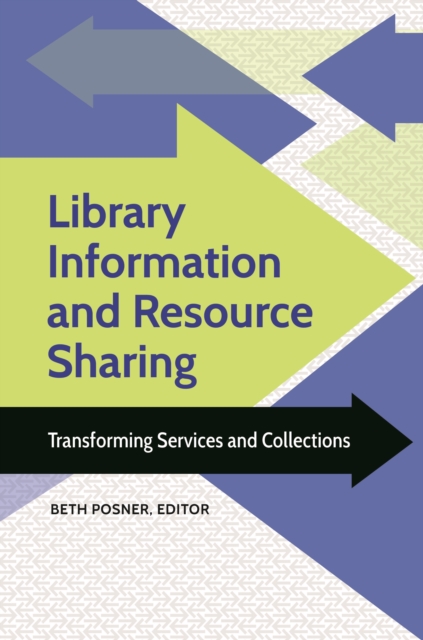
Through the perspectives of interlibrary loan (ILL) specialists, this book examines what ILL departments are doing, the value of ILL librarians in the evolving library environment, and how library collections and services are being affected by new ILL policies.
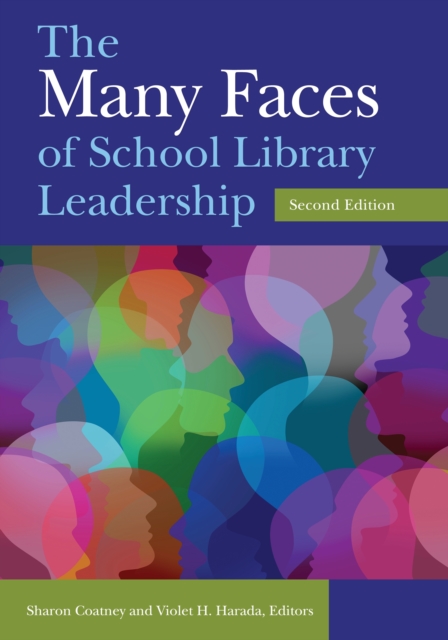
Completely revised with even more contributions added by practicing school librarians, this book further examines the responsibility to lead in many areas and identifies the real-world, day-to-day application of established theory and best practices.
Transform any public library into a truly sustainable organization-not just environmentally sustainable, but economically and socially sustainable as well-by following the directions and practices described in this book.
This hands-on approach to teaching digital research skills breaks down each research skill into simple, targeted steps that enable students to research more deeply and to accomplish real-world tasks.
This unique book presents a practical and realistic approach to implementing a school-wide, K-12 Genius Hour program-one that can succeed regardless of budgetary and infrastructure constraints.
This guide for the evaluation of school libraries both in practice and in research covers analysis, techniques, and research practices for conducting evaluations of curriculum, collections, facilities, and library personnel performance.
This book demonstrates how aesthetics, design elements, and visual literacy can be implemented in the library to enhance spaces, programs, services, instruction, and outreach so that your library will appeal to all users.
This newly updated and expanded second edition of Collaborating for Inquiry-Based Learning explains effective IBL scaffolding and the school librarian's role as the lead in the collaborative process of inquiry-based teaching.
This book is a toolkit for youth and young adult librarians-school and public-who wish to incorporate science, technology, engineering, art, and math (STEAM) into their programs and collections but aren't sure where to begin.
A must-read for elementary school librarians interested in starting a makerspace at their school, but who are concerned about the cost and are looking for curriculum links for getting started.
Focusing on the most compelling titles across the vast area of imaginative fantasy and science fiction literature and media, this book showcases creative ways to build on existing interest in these genres and promote reading, literacy, and critical thinking.
Focusing on adult patrons ages 19 through senior citizens, this book explains how libraries can best serve this portion of their community's population at different life stages and foster experiences that are "e;worth the trip"e;-whether actual or virtual.
The budget-constrained, rapidly evolving climate of higher education and academic libraries makes it a necessity for academic librarians and administrators to communicate the value of their library to the university.
Learn how to improve teen services in public libraries by better understanding teen development and having positive interactions with teens to provide appropriate and interesting collections and services.
A timely reference for all public librarians who serve the business community in libraries, regardless of size or location-from small rural outposts to bustling big-city branches.
An invaluable how-to text that details the workshop model, addresses the design challenges, and explains the best avenues for curriculum-based learning in the school library makerspace.
This concise but information-packed text helps high school students in upper grade levels and lower division college and university students quickly master the basics of information literacy.
This exploration of model storytelling projects shows librarians how to expand their roles as keepers of the stories while strengthening their communities.
Edited by the cocreator of the Guided Inquiry Design(R) (GID) framework as well as an educator, speaker, and international consultant on the topic, this book explains the nuances of GID in the high school context.
This book explains how librarians can capitalize on the growing interest and need of patrons for help with technology by expanding their library's tech services to build community engagement and support.
A fresh, detailed, and thoughtful examination of reference services in the context of evolving community information needs and habits, a changing technological landscape, and new search strategies.