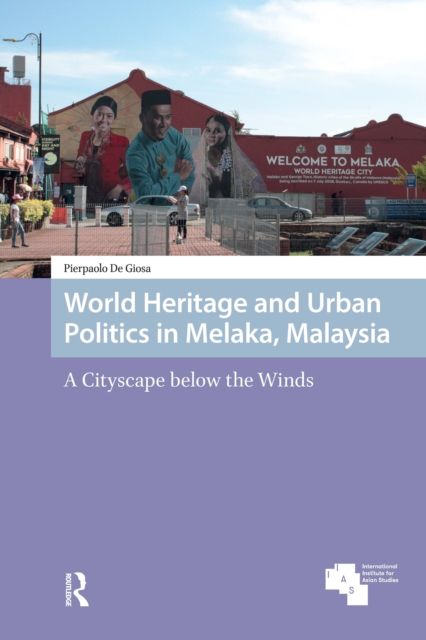
Already celebrated as a busy entrepot and the most glorious of the Malay kingdoms of the past, Melaka has been on the UNESCO World Heritage List (together with George Town) since 2008 on the strength of its multi-ethnic and multi-religious urban fabric.
Heritage and tourism mutually reinforce each other, with the presentation of heritage at physical sites mirrored by the ways heritage is presented on the internet.
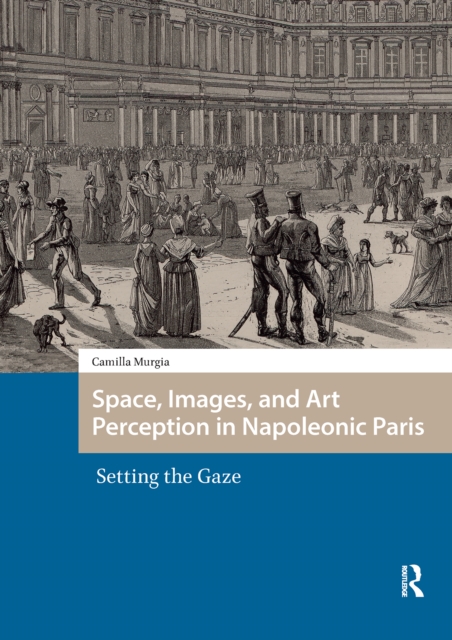
Before the first purpose-designed exhibition spaces and painting exhibitions emerged, showing art was mainly related to the habit of dressing up spaces for political commemorations, religious festivals, and marketing strategies.
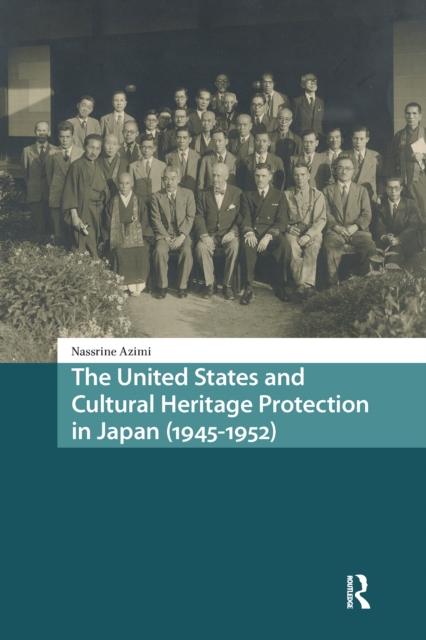
One of the untold stories of the American military occupation of Japan, from 1945 to 1952, is that of efforts by the Arts and Monuments Division of the Supreme Commander for the Allied Powers (SCAP), for the preservation of Japan's cultural heritage.
How to Make Instant ConnectionsIn a world overflowing with fleeting interactions and surface-level conversations, How to Make Instant Connections is your essential guide to creating genuine bonds that last.
This book revisits the embrace of liberal capitalism in post-communist Eastern Europe to show that recent concerns about the rise of populist movements obfuscate the limits and the contradictions inherent in the concept.
The Museum Environment Revisited is a valuable text that helps the reader understand collection care fundamentals and the preservation environment, as well as storage issues and decision-making.
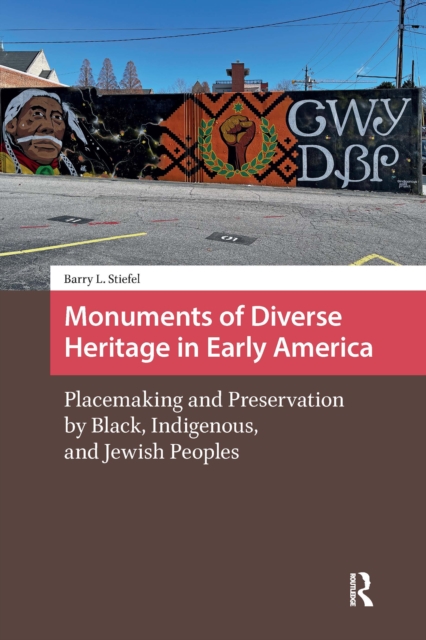
Monuments of Diverse Heritage in Early America: Placemaking and Preservation by Black, Indigenous, and Jewish Peoples explores a more inclusive history of preserving public historic sites.
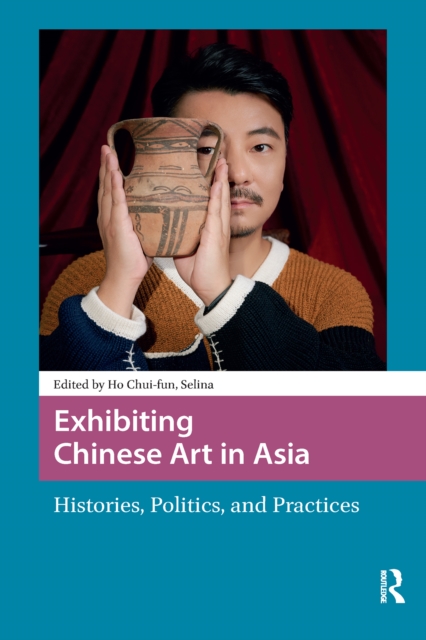
This volume examines the emerging exhibition complex on Chinese art in early twentieth-century China, and from the mid-1950s onwards, the cultural politics involved in Asia with the exhibitions of traditional and modern Chinese art in Taiwan, Japan, Hong Kong and Singapore.
Drawing on Jeffrey Schnapp's conceptual framework, this book examines political exhibitions organised by the Portuguese Estado Novo between 1934 and 1940 as spaces where regimes manipulated national history to legitimise their authority, crafting myths of origin and narratives of national pride.
Victorian Women's Travel Writing and the Female-Capitalist Gaze argues that female travellers both informed and expanded upon Victorian debates surrounding the role of art, and art production, as a nexus of political-economic progress and cultural identity.
Small Stages: Cabinets, Dioramas, and other Tiny Performances is a consideration of small stages as unique and generative sites for creating and presenting performance.
Examining modern art vandalism across Europe and North America from 1970 to 2020, this book offers the first comprehensive sociological analysis of this phenomenon.
Examining modern art vandalism across Europe and North America from 1970 to 2020, this book offers the first comprehensive sociological analysis of this phenomenon.
This book examines the remarkably preserved Soca/Isonzo Front battlefield, exploring how its material heritage has shaped World War I (WW1) remembrance across changing political regimes along the Italian-Slovenian border.
This book examines the remarkably preserved Soca/Isonzo Front battlefield, exploring how its material heritage has shaped World War I (WW1) remembrance across changing political regimes along the Italian-Slovenian border.
Victorian Women's Travel Writing and the Female-Capitalist Gaze argues that female travellers both informed and expanded upon Victorian debates surrounding the role of art, and art production, as a nexus of political-economic progress and cultural identity.
Living Indigenous Archives invites readers to consider new pathways for developing and sustaining archival landscapes that are embedded with respect for Indigenous worldviews and cultural flows of knowledge.
Drawing on Jeffrey Schnapp's conceptual framework, this book examines political exhibitions organised by the Portuguese Estado Novo between 1934 and 1940 as spaces where regimes manipulated national history to legitimise their authority, crafting myths of origin and narratives of national pride.
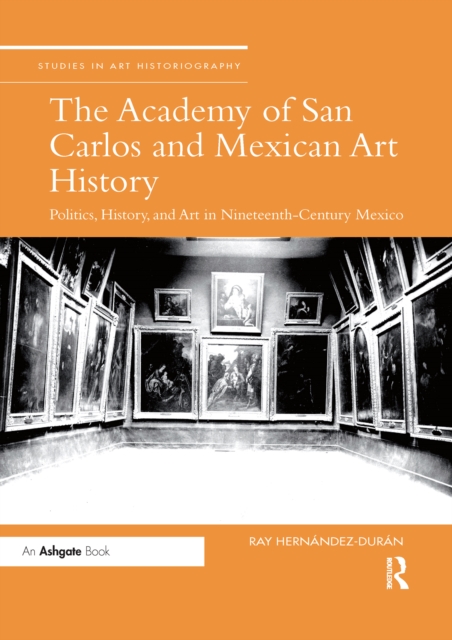
The first substantial Mexican colonial art historiography in English, this book examines the origin of the study of colonial art in Mexico as a symptom of the development of modern museum practice in mid-nineteenth-century Mexico City.
The Museum of Babel: Meditations on the Metahistorical Turn in Museography is a thought provoking, transatlantic reading of contemporary exhibits of the museum's own past.
This study presents the first history of the South African national pavilion at the Venice Biennale since it first participated in 1950 up until its contemporary pavilions.
This book provides an essential resource for educators and museum professionals who wish to develop education focused eMuseums that feature motivational standards-based curriculum for diverse learners.
This book provides an essential resource for educators and museum professionals who wish to develop education focused eMuseums that feature motivational standards-based curriculum for diverse learners.
This book provides an essential resource for educators and museum professionals who wish to develop education focused eMuseums that feature motivational standards-based curriculum for diverse learners.
The first substantial Mexican colonial art historiography in English, this book examines the origin of the study of colonial art in Mexico as a symptom of the development of modern museum practice in mid-nineteenth-century Mexico City.
This book collects contributions that discuss the spread of AI, AI-GEN, and XR tools in the fields of cultural heritage and innovative design and their relationships with representation disciplines.
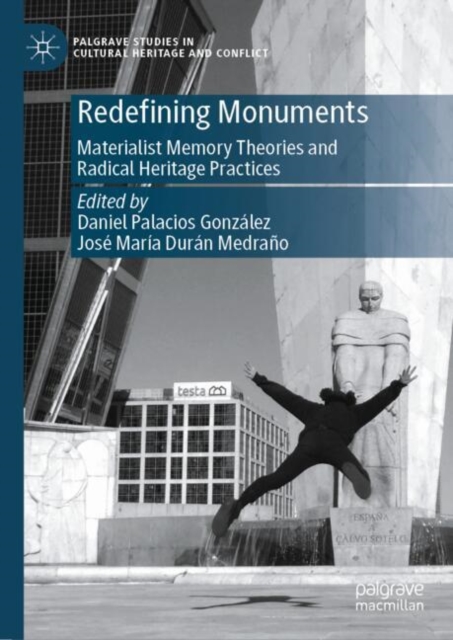
This book undertakes a critical examination of monuments, heritage, and memory, analysing their intersections with colonial histories, gender dynamics, and class structures.