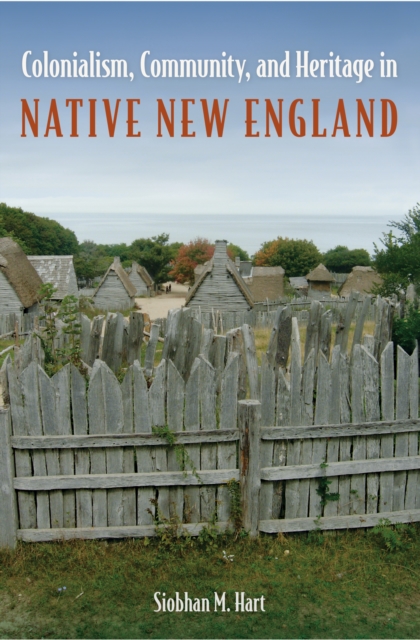
A close look at New England heritage sites and the narratives they tell about Native American communitiesExploring museums and cultural centers in New England that hold important meanings for Native American communities today, this illuminating book offers a much-needed critique of collaborative efforts to preserve and promote the cultural heritage of the region.
The Abbasid era was characterized by the flourishing of cultural and literary life, and Abu Al-Faraj Al-Isfahani emerged as one of its prominent figures, the author of the book "Al-Aghani", which is considered the collection of Arabs, rich in poetry, genealogies, days, and songs.
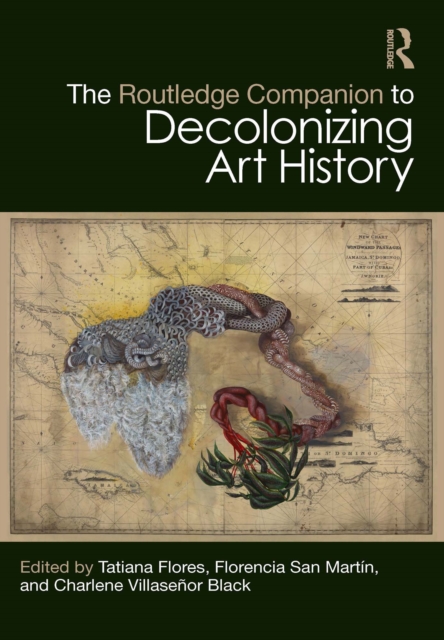
This companion is the first global, comprehensive text to explicate, theorize, and propose decolonial methodologies for art historians, museum professionals, artists, and other visual culture scholars, teachers, and practitioners.
This companion is the first global, comprehensive text to explicate, theorize, and propose decolonial methodologies for art historians, museum professionals, artists, and other visual culture scholars, teachers, and practitioners.
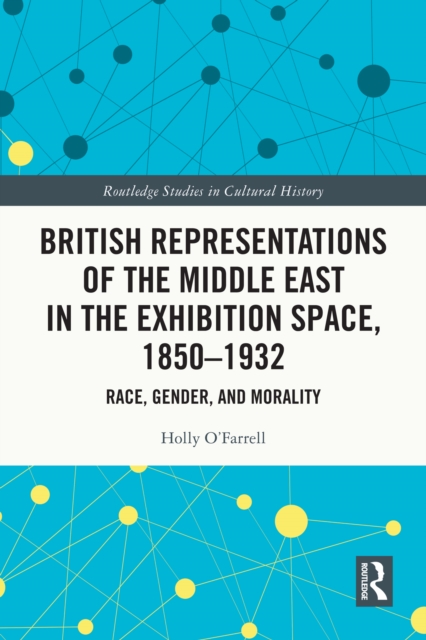
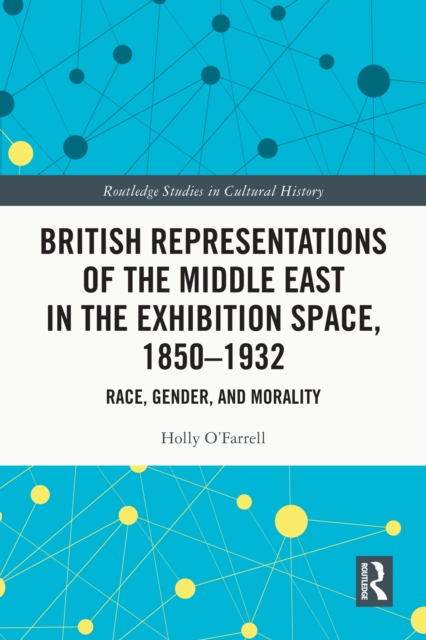
This volume analyses British exhibitions of Middle Eastern (particularly ancient Egyptian and Persian) artefacts during the nineteenth and early twentieth centuries - examining how these exhibitions defined British self image in response to the Middle Eastern 'other'.
This volume analyses British exhibitions of Middle Eastern (particularly ancient Egyptian and Persian) artefacts during the nineteenth and early twentieth centuries - examining how these exhibitions defined British self image in response to the Middle Eastern 'other'.
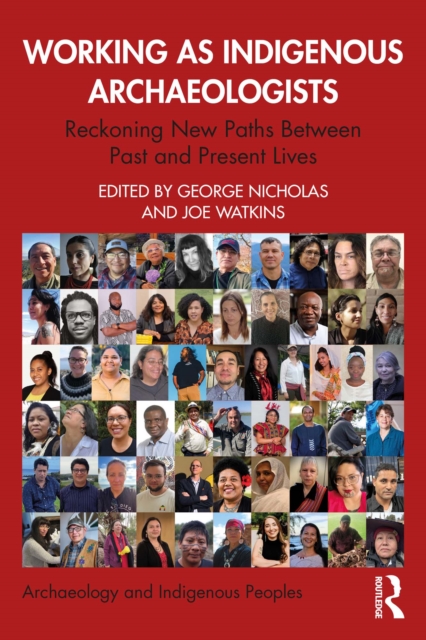
Working as Indigenous Archaeologists explores the often-contentious relationship between Indigenous and other formerly colonized peoples and Archaeology through their own voices.
Ruth Phillips argues that these practices are "e;indigenous"e; not only because they originate in Aboriginal activism but because they draw on a distinctively Canadian preference for compromise and tolerance for ambiguity.
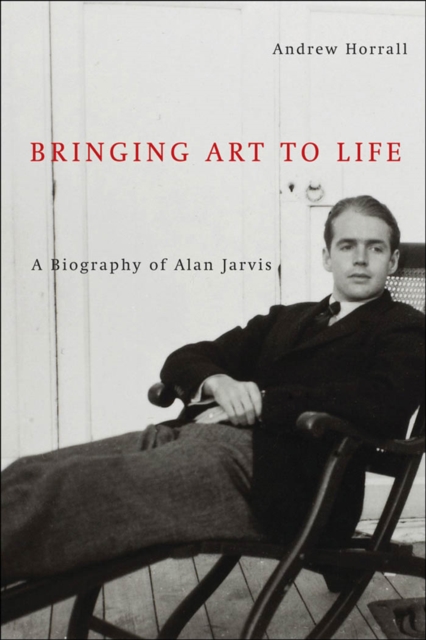
Only thirty-nine when he took over the National Gallery in 1955, Jarvis already had an extraordinary record of achievement and social mobility at home and in England: he had trained with Canada's greatest artists, won a Rhodes scholarship, lunched at the Algonquin Round Table in New York, managed an aircraft factory, written a bestseller, produced films, run a slum settlement, and moved in a London social circle that included Noel Coward and Vivien Leigh.
Museums and cultural institutions across North America and Europe are being transformed by budget cuts, re-evaluation of their cultural missions, evolving concepts of museology, and changing audiences, making Brian Young's trenchant history of a prestigious university museum, Montreal's McCord Museum of Canadian History, especially pertinent.
Adams argues that the many significant changes seen in this period were due not to architects' efforts but to the work of feminists and health reformers.
William Leiss and Christina Chociolko explain that controversies arise in part because many participants try to avoid assuming full responsibility for the consequences of the risk-taking they advocate.
During the twentieth century, dozens of protests, large and small, occurred across North America as American Indians asserted their anger and displayed their disappointment regarding traditional museum behaviors.
In an era of expanded responsibility and constricted funding, museum personnel often need strong practical guidance on the best practices for building projects.
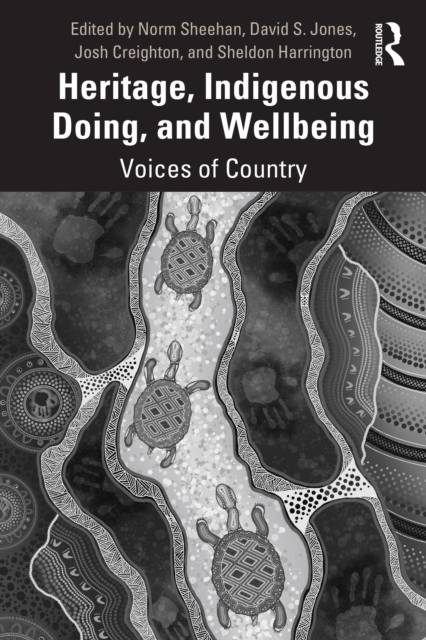
Heritage, Indigenous Doing and Wellbeing presents an Aboriginal Australian relational understanding of the world that offers a counter-narrative to the Western notion of heritage and new insights into the potential for sustaining the complex systems that support all life.
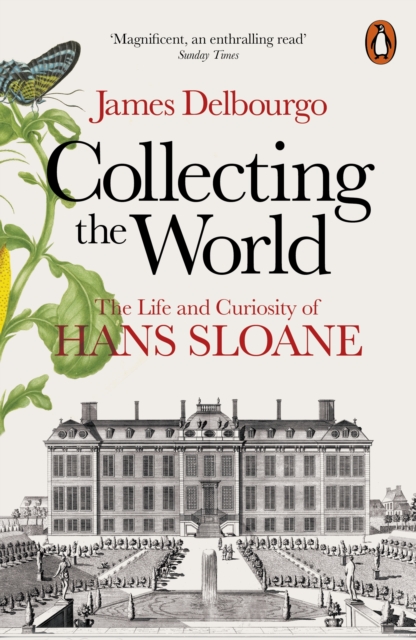
Hans Sloane was a young doctor from Northern Ireland who made his way in London and eventually become physician to the king and much of London society.
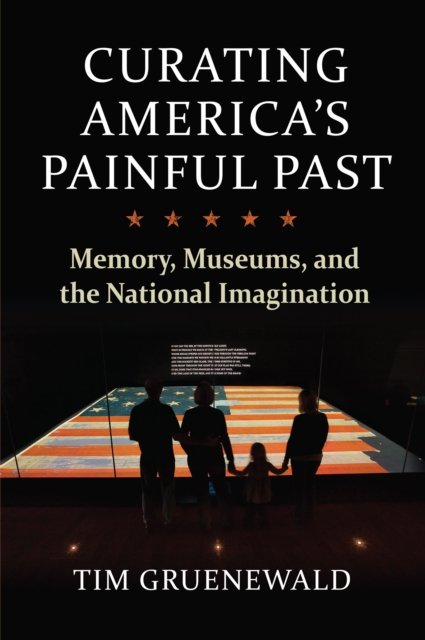
Honorable Mention: National Council Public History Book AwardDuring the global Black Lives Matter protests of 2020, many called upon the United States to finally face its painful past.
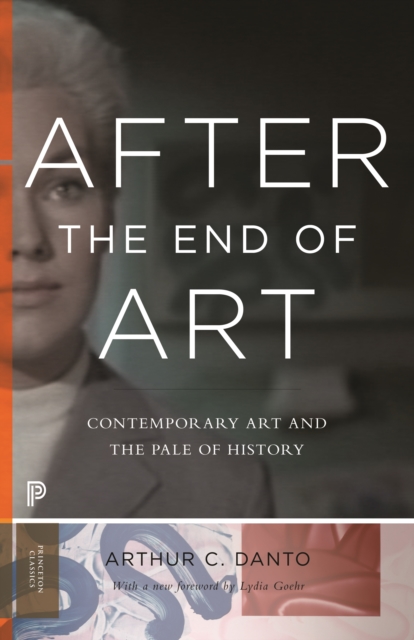
The classic and provocative account of how art changed irrevocably with pop art and why traditional aesthetics can't make sense of contemporary artA classic of art criticism and philosophy, After the End of Art continues to generate heated debate for its radical and famous assertion that art ended in the 1960s.
This book studies the change in Mediterranean port cities, from the nineteenth century when they flourished as a result of international economic relations and advances in transportation technology, through the twentieth century when the nation-states were at their prime time.
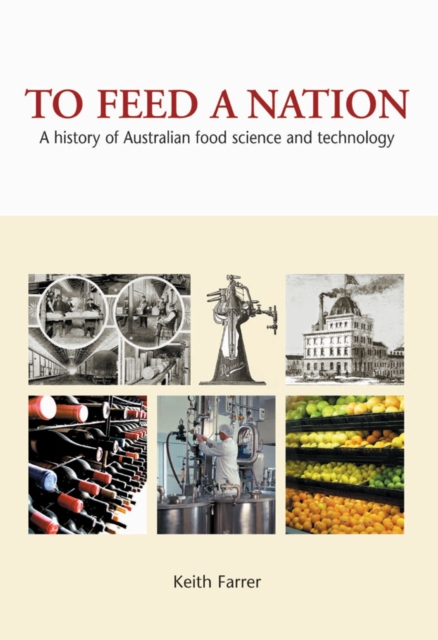
To Feed a Nation takes the reader on a journey over the centuries, describing the slow and arduous development of Australian food technology and science from before European settlement to the latter half of the twentieth century.
Violence and Public Memory assesses the relationship between these two subjects by examining their interconnections in varied case studies across the United States, South America, Europe, the Middle East, and Africa.
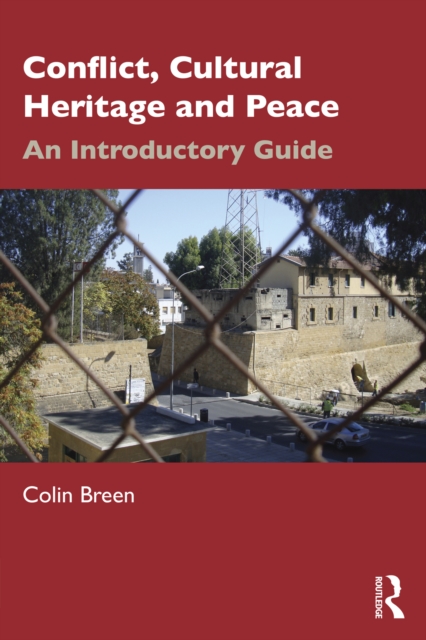
Conflict, Cultural Heritage and Peace offers a series of conceptual and applied frameworks to help understand the role cultural heritage plays within conflict and the potential it has to contribute to positive peacebuilding and sustainable development in post-conflict societies.
This thought-provoking collection of essays is essential reading for anyone who cares about cultural institutions and their role in the community of learners.
Volume 1 in a series designed to act as a forum for the dissemination and discussion of new research currently being undertaken in the field of Museum Studies.
The second volume in this series focuses upon the relationship between a museum service and its community, viewed from a range of national and international perspectives, and concentrating upon new work and new political parameters.
Honorable Mention: National Council Public History Book AwardDuring the global Black Lives Matter protests of 2020, many called upon the United States to finally face its painful past.
Celebrating the diversity of institutions in the United States, Latin America, and Canada, Remix aims to change the discourse about museums from the inside out, proposing a new, ';panarchic'nonhierarchical and adaptivevision for museum practice.
Celebrating the diversity of institutions in the United States, Latin America, and Canada, Remix aims to change the discourse about museums from the inside out, proposing a new, ';panarchic'nonhierarchical and adaptivevision for museum practice.
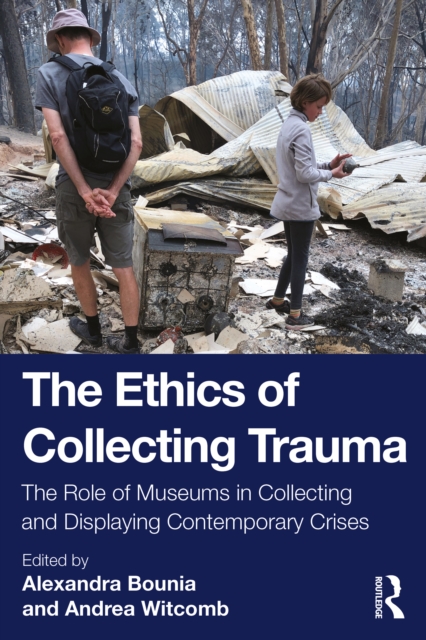
The Ethics of Collecting Trauma offers an interdisciplinary dialogue on the ethics of contemporary museums that are involved in collecting moments of collective trauma.