Interpreting Christmas at Museums and Historic Sites offers a wide range of perspectives on Christmas and practical guidance for planning, research, interpretation, and programming by board members, staff, and volunteers involved in the management, research, and interpretation at house museums, historic sites, history museums, and historical societies across the United States.
Today's students rely heavily on electronic resources; they expect to be able to access library resources from any location and at any time of the day.
Rethinking Knowledge Management: From Knowledge Objects to Knowledge Processes readdresses fundamental issues in knowledge management, leading to a new area of study: knowledge processes.
Inward, Outward, Onward, Upward: A Lifelong Journey Towards Anti-Oppression and Inclusion in Museums puts forth an incisive look at diversity, equity, accessibility, inclusion, anti-racism, pro-marginalized people and museums.
The importance of linking information and the people to harness the power of information to meet the basic needs of the people, can hardly be over-emphasised.
A library is a collection of implementations of behavior, written in terms of a language that has a well-defined interface by which the behavior is invoked.
UNESCO declared that public library should be established under clear mandate of law, so framed as to ensure nationwide provision of public library service.
Library science, more accurately labeled "e;librarianship,"e; is a professional area of study, it is not a science, even though most library schools incorporate information science in the curriculum.
The objective of this book is to provide an opportunity to the library and information personnel to acquire adequate professional knowledge and skills specially in using computers to perform information work and to render information services in any kind of information service system or centre including libraries of all kinds.
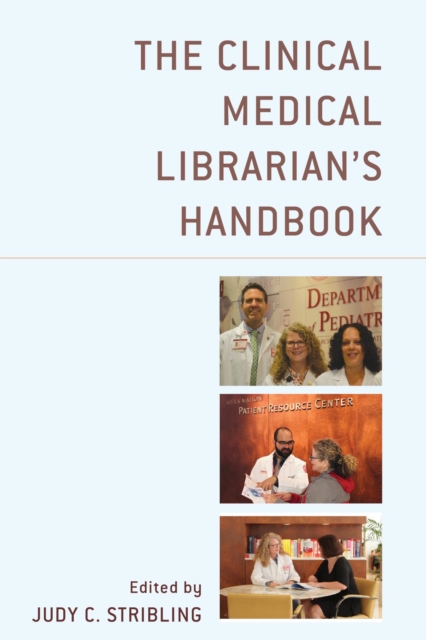
Selected as a 2025 Doody's Core TitleDiscovering what characterizes strong clinical medical librarianship and how those characteristics have been and are supporting clinicians in their delivery of evidence-based medicine can help those in this profession evaluate and strengthen their own programs.
The book entitled New Horizons of Librarianship in Knowledge Society is intended for the LIS fraternity working in various libraries and information centres whether special, academic or public.
With more universities facing financial difficulty and academic libraries being asked to do more with less, fundraising has been transformed from a luxury to a necessity.
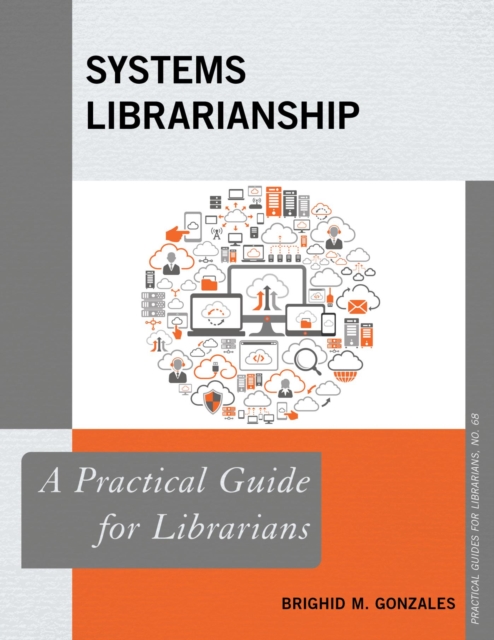
Systems Librarianship: A Practical Guide for Librarians offers new systems librarians and interested LIS students foundational knowledge about the field of systems librarianship as well as practical information and strategies for common projects like migrating a library system and technology planning.
Developing a Library Accessibility Plan: A Practical Guide for Librarians provides library professionals with the knowledge, tools and templates, and practical examples necessary for developing a tailored and comprehensive accessibility plan for their institution.
The Encyclopedia of Archival Writers, 1515-2015, is a reference work that includes the profiles of authors of literature about records and archives in the Western world who have shaped the records and archives field over a span of 500 years.
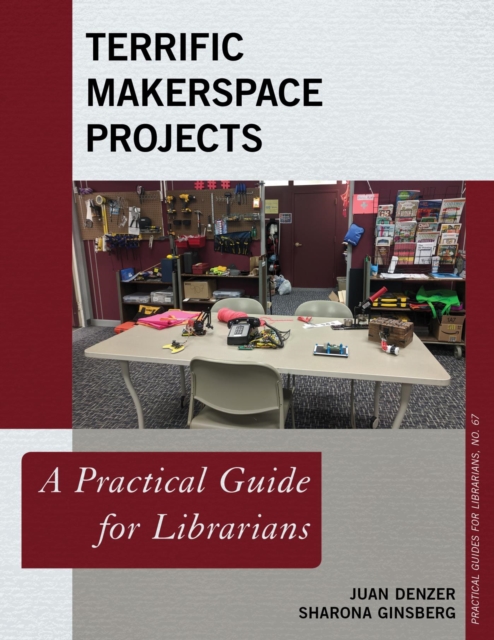
Terrific Makerspace Projects: A Practical Guide for Librarians features fifteen customizable projects that were designed as projects created by librarians/makerspace facilitators, rather than projects in which librarians guided others (makerspace users).
With more universities facing financial difficulty and academic libraries being asked to do more with less, fundraising has been transformed from a luxury to a necessity.
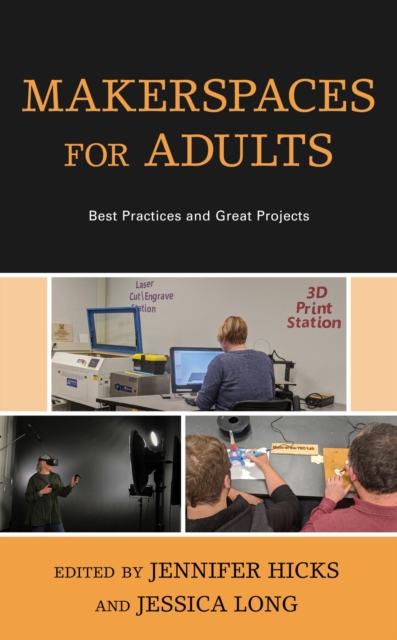
The rise of makerspaces within public and academic libraries has led to a wide variety of books, articles, and presentations that discuss how to set up your space, what equipment to buy, and, to a lesser degree, how to get the support of your administration or the community to include a new space within your library.
To help new archivists and genealogists with what can be a daunting process, Digitization and Digital Archiving: A Practical Guide for Librarians answers common questions, including:1.
Developing a Library Accessibility Plan: A Practical Guide for Librarians provides library professionals with the knowledge, tools and templates, and practical examples necessary for developing a tailored and comprehensive accessibility plan for their institution.
Systems Librarianship: A Practical Guide for Librarians offers new systems librarians and interested LIS students foundational knowledge about the field of systems librarianship as well as practical information and strategies for common projects like migrating a library system and technology planning.
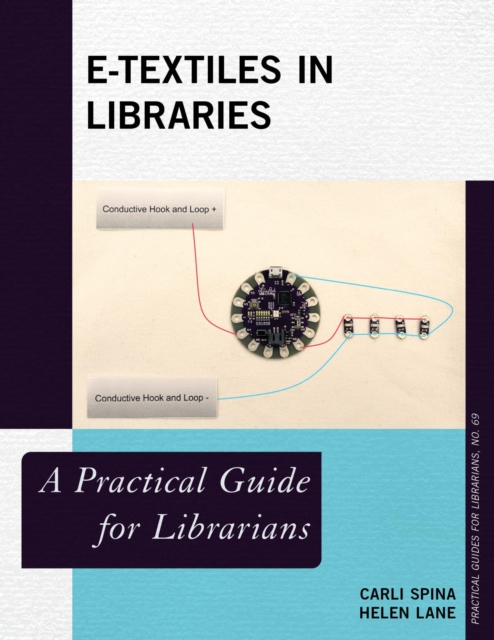
From light-up scarves to solar-powered backpacks to health monitoring fabric, innovative combinations of electronics and textiles are becoming more prevalent and impressive all the time, making appearances everywhere from the runway to medical settings.
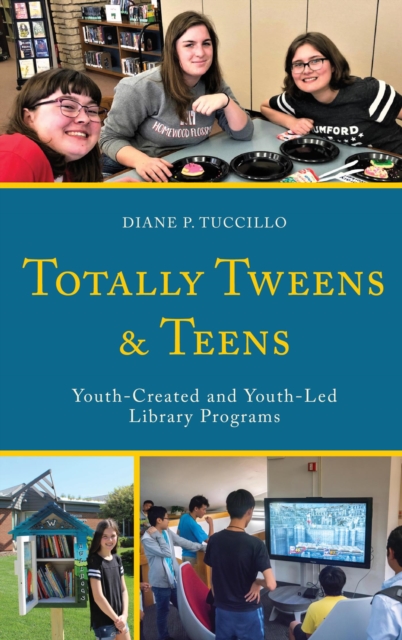
The library programs featured in this unique collection are those that have been suggested, created, and led by youth with the help and guidance of the supportive adults at their library.
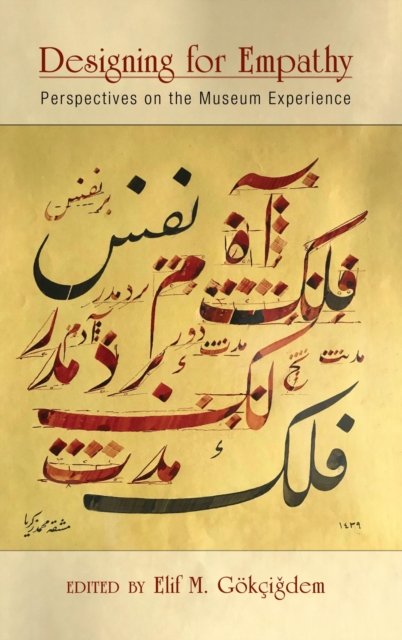
As museums are currently shaping their tools for fostering empathy as an intentional outcome of museum experiences, the idea of empathy-building is reshaping them as socially relevant institutions that increasingly value diversity, accessibility, and equality.
Diversity, equity, accessibility, and inclusion in all aspects of museums' structure and programming are top issues in the field today - and in the overall arts/culture sector.
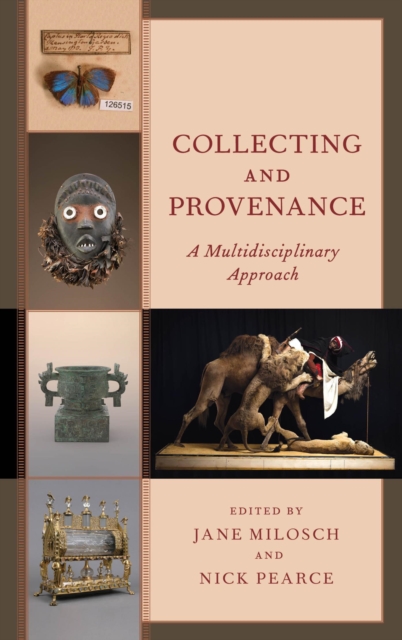
The study of provenance-the history of the creation and ownership of an artefact, work of art, or specimen-provides insights into the history of taste and collecting, illuminating the social, economic, and historic trends in which an object was created and collected.