Abu Al-Ala Al-Maarri, one of the most prominent Arab writers and philosophers, was described for his depth of thought and accuracy of language, in addition to his prowess in grammar, poetry, and prose.
War Memorialization and Nation-Building in Twentieth-Century Southeast Asia explores how three Southeast Asian countries- the Philippines, Thailand, and Singapore-have utilized war memorialization in their nation-building efforts.
Working with Conservation Data provides a practical, step-by-step guide that describes how to approach the issue of documentation in a professional conservation environment.
In an age of internet resource guides, which suffer from the malaise of being outdated before they are published, this much-needed publication addresses the information chain in its entirety, offering a timeless method of understanding healthcare information resources.
There is no doubt that reading with young children is important, and libraries are uniquely placed to support the development of literacy skills in pre-school children.
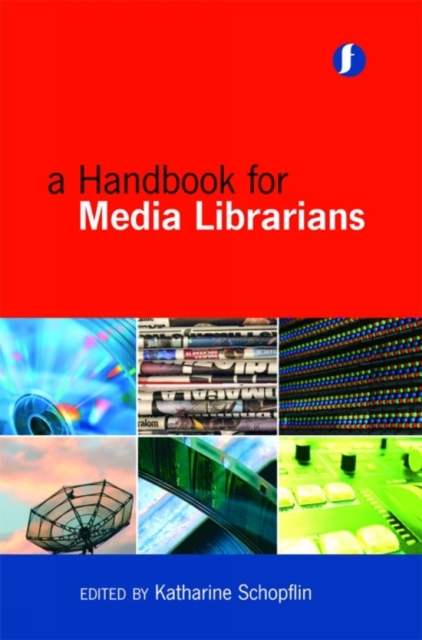
Media librarians - information workers employed by media organizations such as broadcasters and publishers of newspapers, magazines and websites - often seem to have a low profile in both the information profession and among their employers.
Overstretched professionals in every public authority are grappling with the chalkface implications of a raft of legislation relating to information use.
The information needs of researchers and the ways in which the quality of information provision can be enhanced for researchers are currently a focus of attention globally, and are major priorities for higher education.
Tackling conflict and stress effectively is a legal responsibility for management, and can result in significant benefits for the organization in terms of recruitment and retention, employee commitment, performance and productivity, customer satisfaction, organizational image and reputation, and potential litigation.
Tomorrow's LIS professionals will have to be conversant with all the tools and techniques for organizing information in different domains - from the traditional library shelf to full-scale digital libraries.
Anyone wishing to be a successful supervisor must learn the interpersonal skills of communication, assertiveness and motivation in order to build a successful team with a positive ethos.
Measuring the performance of a library's services is a crucial part of good library management, since without a firm grasp of what is actually being achieved it is impossible to move forward to improved service.
Many information professionals working in small units today fail to find the published tools for subject-based organization that are appropriate to their local needs, whether they are archivists, special librarians, information officers, or knowledge or content managers.
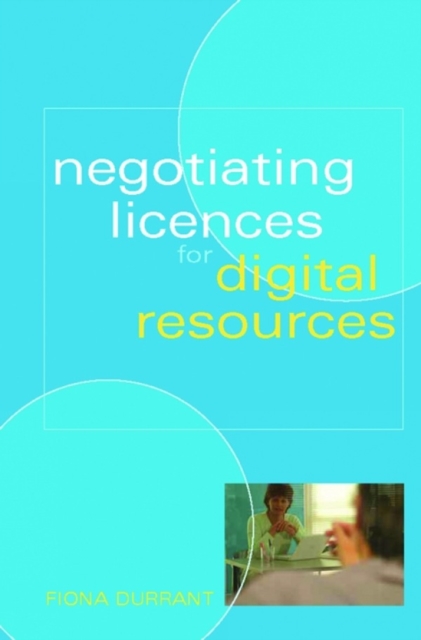
With the increasing availability of digital resources, it is vital for those involved in purchasing them to get to grips with the complexities of contracts, costs and the relationships that exist between subscriber and publisher.
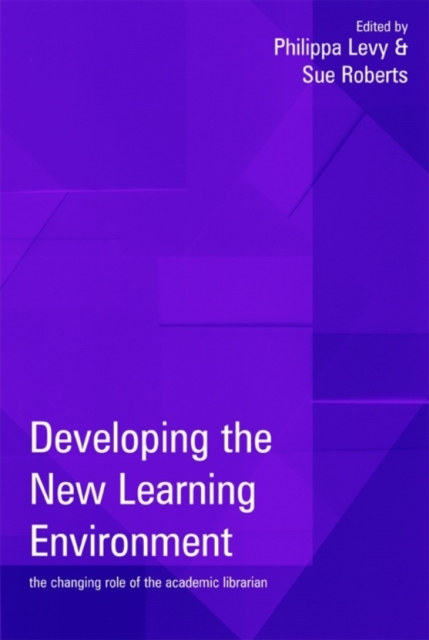
In a rapidly changing environment where increasingly the boundaries are blurring between librarians' roles and those of learning technologists, information technologists, educational developers, skill support specialists and, indeed, academic staff, the academic librarian needs not only to embrace new opportunities but also to influence proactively the development of learning environments.
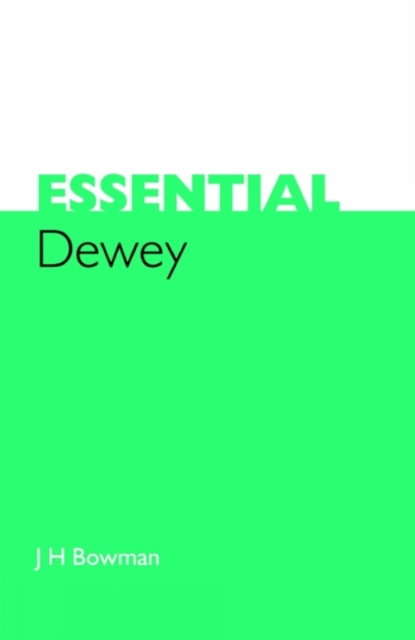
In this book, John Bowman provides an introduction to the Dewey Decimal Classification suitable either for beginners or for librarians who are out of practice using Dewey.
Many organizations do not yet have a formal programme of records management, but increasingly they are recognizing the benefits of well managed records and the serious consequences of inadequate records systems.
In the 21st century, digital tools enable information to be generated faster and in greater profusion than ever before, to the point where its extent and value are literally beyond imagining.
The advent of new information retrieval (IR) technologies and approaches to storage and retrieval provide communities with previously unheard of opportunities for mass documentation, digitization, and the recording of information in all its forms.
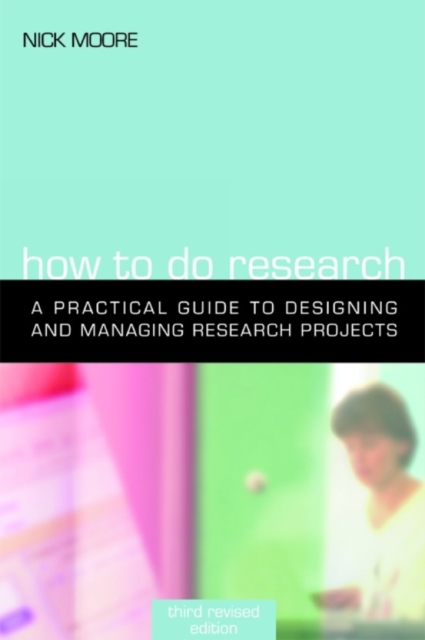
This handbook provides library and information professionals with the information they need to undertake research projects in the workplace in order to inform their own practice and improve service delivery.
This very practical guide, offering a comprehensive overview of best practice, is aimed at the non-specialist, assuming only a basic understanding of IT and offering guidance as to how to implement strategies with minimal time and resources.
This landmark text captures a global cross-section of leading voices and provides a clear and coherent overview of the user studies domain and user issues in digital libraries.
Project work is widespread in all types of library and information units, and typical projects can involve developing a new information service, moving a library, digitizing materials or introducing a new staff-development programme.
A new generation of learners in an increasingly global information environment require libraries to play a greater role than ever in the delivery of education and training.
There are a number of publications covering records management generically, however very few are focused on the specific challenges of particular sectors, and fewer still on current regulatory, legal and governance issues associated with managing records in global banking and finance businesses.
One of the biggest challenges faced by any organization today is that of managing electronic records, a vital but complex undertaking involving multiple roles within the organization and strategies that are still evolving.