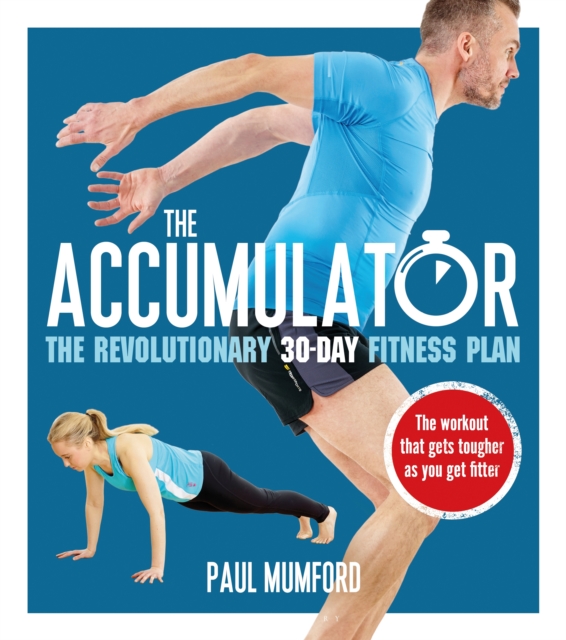
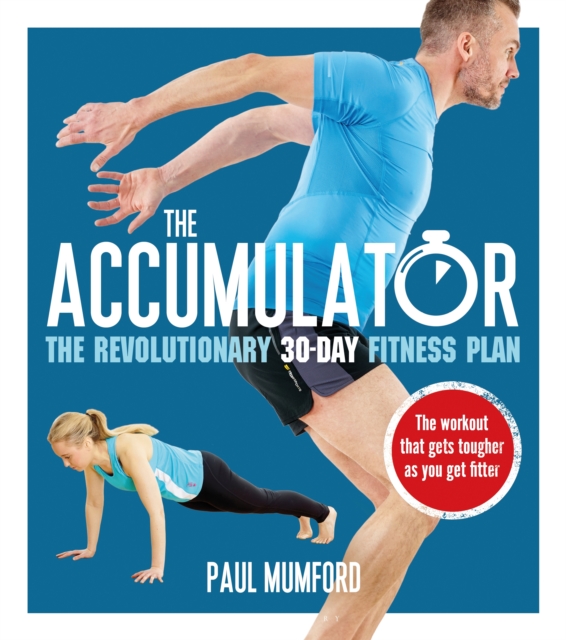
A unique, anyone-can-do-it HIIT plus bodyweight workout plan that guarantees you'll go from zero to hero in just one month'Great for those returning to exercise, The Accumulator is a 30-day progressive workout that gets tougher as you get fitter.
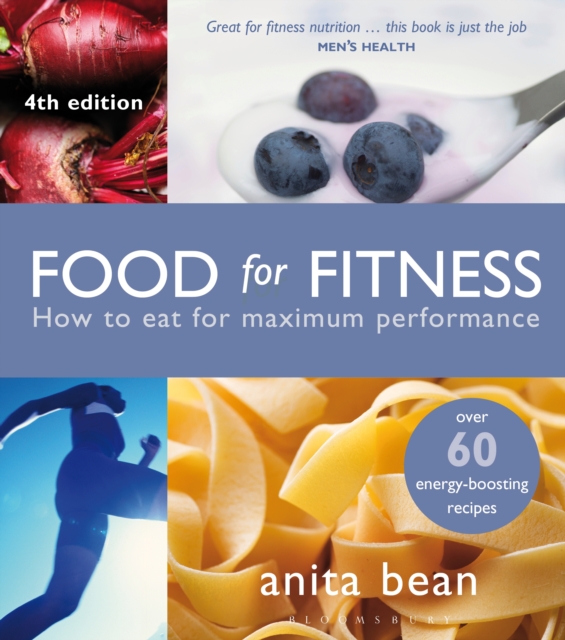
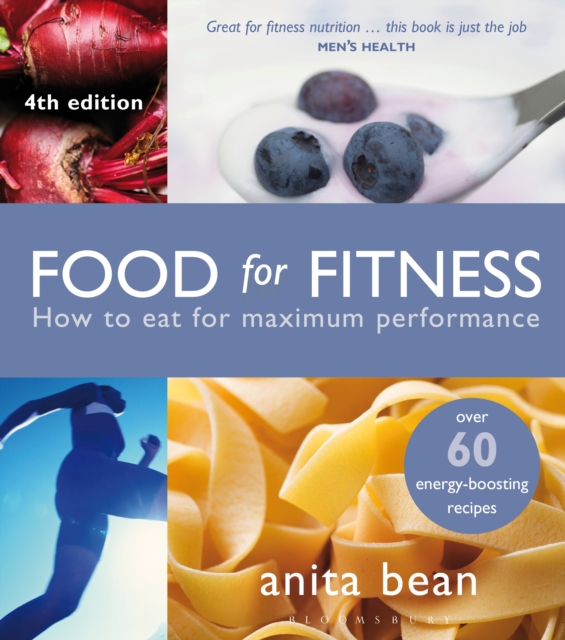
A sports nutrition guide and recipe book rolled into one, Food for Fitness dispels popular myths and gives you the tools you need to reach your maximum performance.
A sports nutrition guide and recipe book rolled into one, Food for Fitness dispels popular myths and gives you the tools you need to reach your maximum performance.
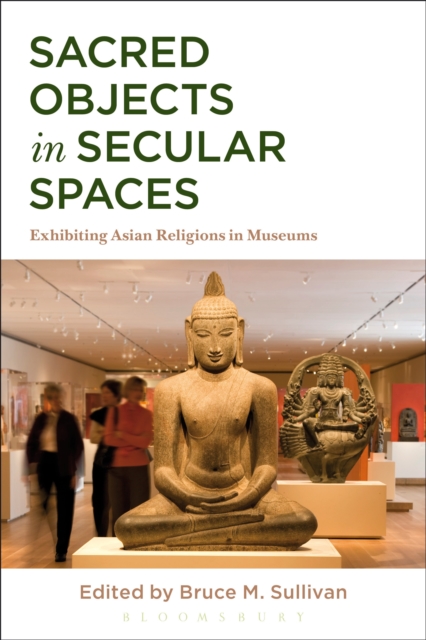
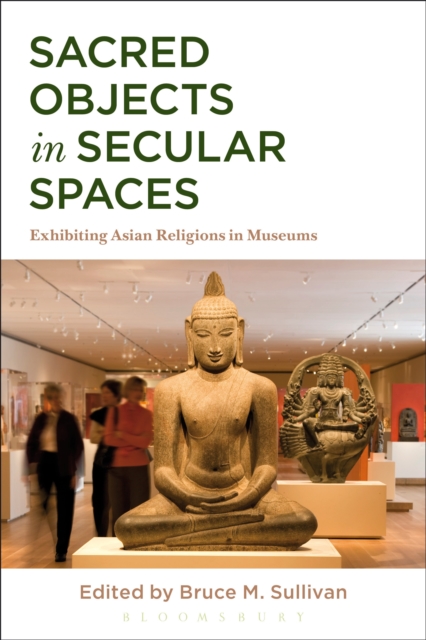
We have long recognized that many objects in museums were originally on display in temples, shrines, or monasteries, and were religiously significant to the communities that created and used them.
We have long recognized that many objects in museums were originally on display in temples, shrines, or monasteries, and were religiously significant to the communities that created and used them.
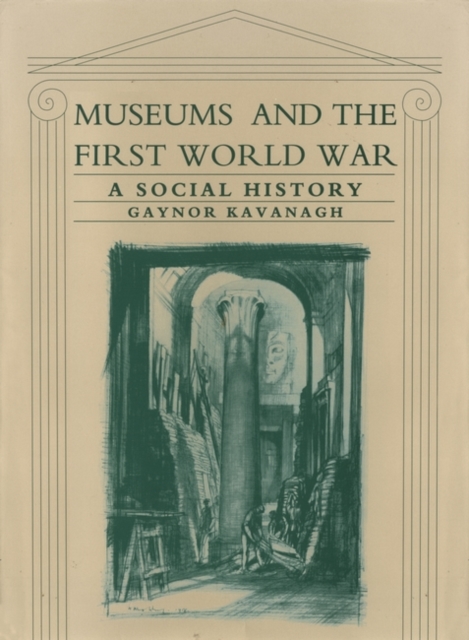
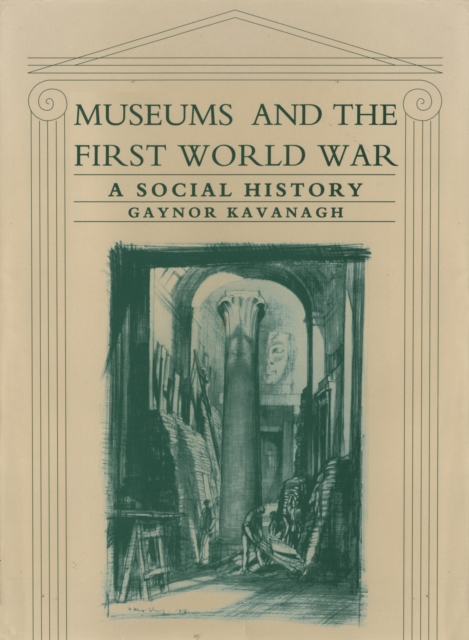
The book is concerned with how, during four demanding, dislocating and world-changing years, that most Victorian of institutions, the museum, was forced or prompted to meet the extraordinary test of war on the home front.
The book is concerned with how, during four demanding, dislocating and world-changing years, that most Victorian of institutions, the museum, was forced or prompted to meet the extraordinary test of war on the home front.
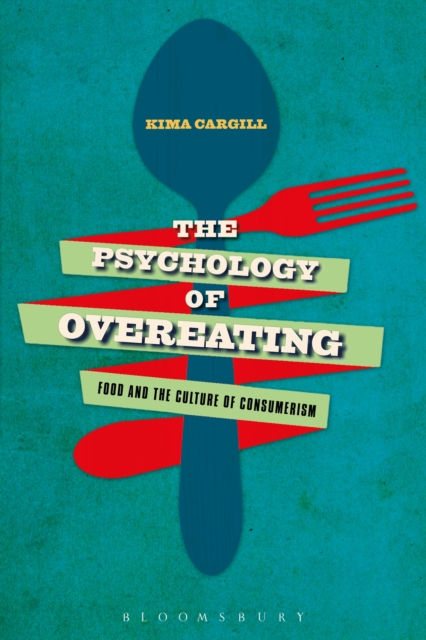
Drawing on empirical research, clinical case material and vivid examples from modern culture, The Psychology of Overeating demonstrates that overeating must be understood as part of the wider cultural problem of consumption and materialism.
Drawing on empirical research, clinical case material and vivid examples from modern culture, The Psychology of Overeating demonstrates that overeating must be understood as part of the wider cultural problem of consumption and materialism.
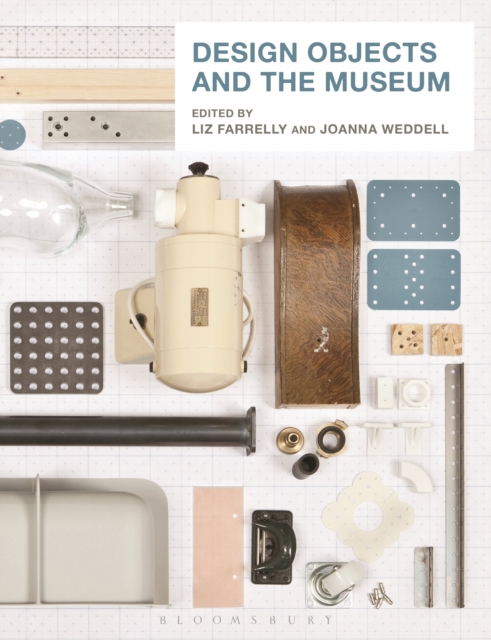
Design Objects and the Museum brings together leading design historians, curators, educators and archivists to consider the place of contemporary design objects within museums.
Design Objects and the Museum brings together leading design historians, curators, educators and archivists to consider the place of contemporary design objects within museums.
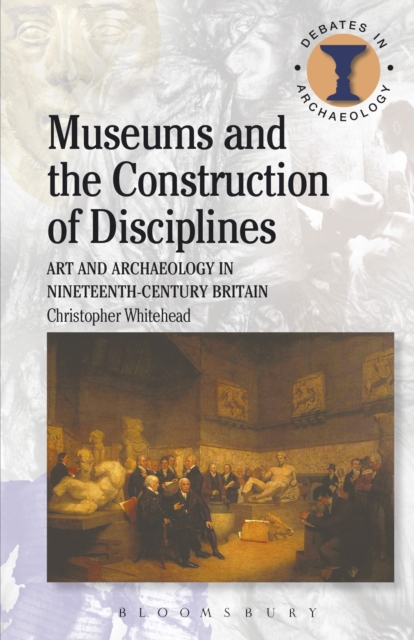
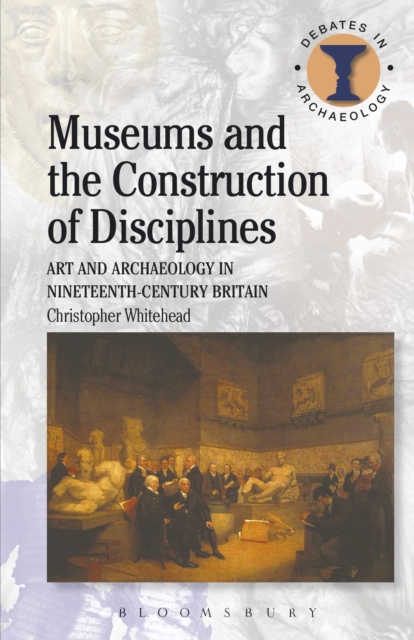
Museums and museum politics were important elements in the development of the disciplines of Archaeology and Art History in nineteenth-century Britain.
Museums and museum politics were important elements in the development of the disciplines of Archaeology and Art History in nineteenth-century Britain.
This book analyses aspects of the material culture of early modern Greece from an object-based perspective, using surviving artefacts from that period as primary sources.
Exam board: CCEALevel: GCSESubject: Home EconomicsFirst teaching: September 2017First exams: Summer 2019Target success in CCEA GCSE Home Economics: Food and Nutrition with this proven formula for effective, structured revision.
Become an expert chef with this textbook which covers all the advanced preparation, cooking and finishing techniques you need to succeed in the professional kitchen.
Archaeological sites opened to the public, and especially those highly photogenic sites that have achieved iconic status, are often major tourist attractions.
Through a collection of essays that reflect the complexity of the island's historical past as it operates today, Public History in Ireland delivers a scholarly yet accessible introduction to contemporary topics and debates in Irish public history.
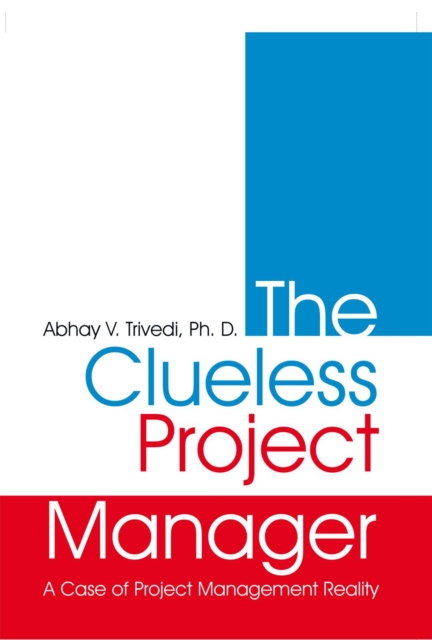
The Clueless Project Manager is a humor book on project management written for project managers, managers and anyone interested in getting a chuckle out of the work environment.
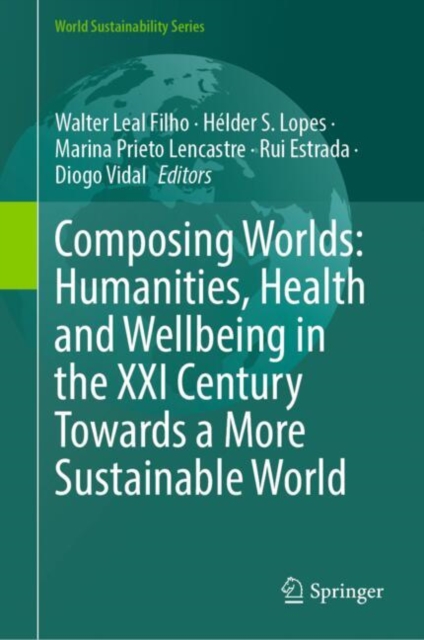
This book provides an interdisciplinary exploration of how the humanities, social sciences, and health sciences can contribute to addressing the pressing challenges of the Anthropocene.
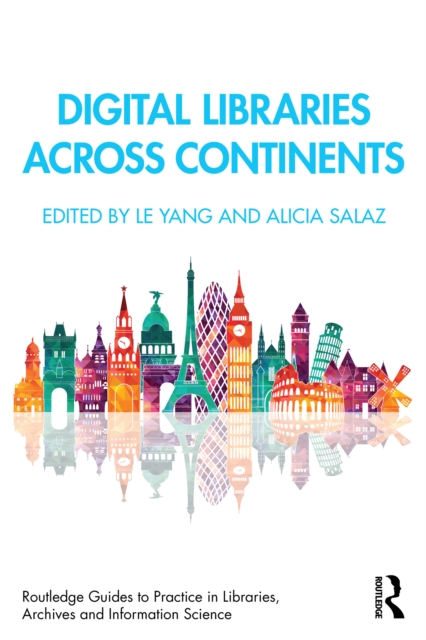
Digital Libraries Across Continents illustrates how digital librarianship practitioners and scholars digitize, exhibit, and preserve their cultural heritage, and how these practices may be influenced by the policy, economic, and sociocultural environments in which they are developed.
Historically, the major Library and Information Science (LIS) research-producing centers of the world have largely been the universities and information institutions of North America, the United Kingdom, and Europe.
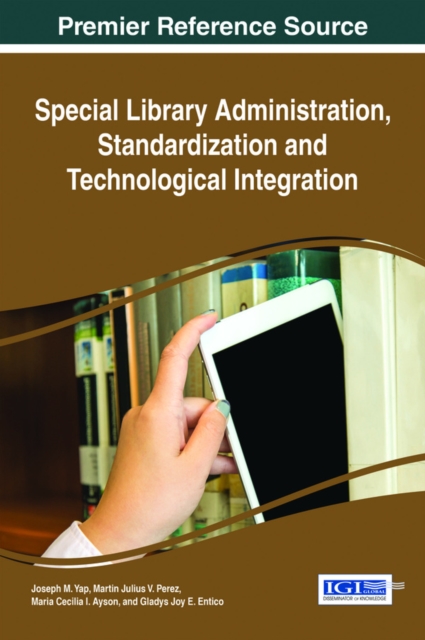
As classrooms and universities strive to adapt their instructional methods to an ever progressing technological age, it is imperative that academic libraries also revisit the ways in which reference and instruction services are organized and implemented.