Not satisfied with the assertion that museums have taken great strides in becoming representative, relevant and open in their preoccupations, A Museum in Public contends that the supposedly public nature of their institutional role continues to be a rhetorical one.
Not satisfied with the assertion that museums have taken great strides in becoming representative, relevant and open in their preoccupations, A Museum in Public contends that the supposedly public nature of their institutional role continues to be a rhetorical one.
Sharing Authority in the Museum provides a detailed and fully contextualised study of a heritage assemblage over time, from the mid-nineteenth century to the present day.
Sharing Authority in the Museum provides a detailed and fully contextualised study of a heritage assemblage over time, from the mid-nineteenth century to the present day.
Only a decade ago, the notion that museums, galleries and heritage organisations might engage in activist practice, with explicit intent to act upon inequalities, injustices and environmental crises, was met with scepticism and often derision.
Only a decade ago, the notion that museums, galleries and heritage organisations might engage in activist practice, with explicit intent to act upon inequalities, injustices and environmental crises, was met with scepticism and often derision.
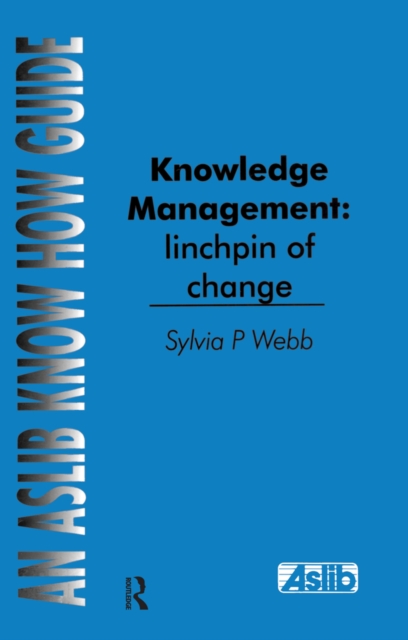
This guide sets out the key considerations and provides some practical guidelines to assist in developing and operating an effective knowledge management function.
This guide sets out the key considerations and provides some practical guidelines to assist in developing and operating an effective knowledge management function.
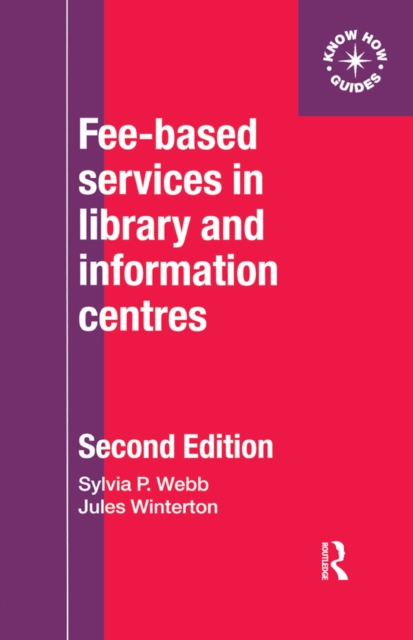
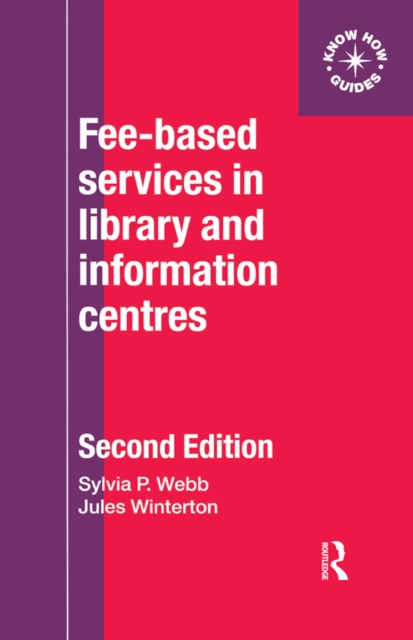
Previously titled Making a Charge for Library and Information Services, Fee Based Information Services provides an examination of charging for library and information services and the possible implications that this might bring to the profession.
Previously titled Making a Charge for Library and Information Services, Fee Based Information Services provides an examination of charging for library and information services and the possible implications that this might bring to the profession.
Today's libraries and museums are heavily indebted to the passions and obsessions of numerous individual collectors who devoted their lives to amassing collections of books, manuscripts, artworks, and other culturally significant objects.
Today's libraries and museums are heavily indebted to the passions and obsessions of numerous individual collectors who devoted their lives to amassing collections of books, manuscripts, artworks, and other culturally significant objects.
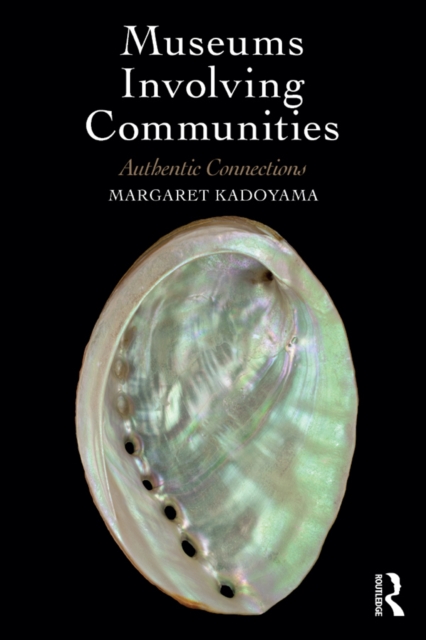
Museums Involving Communities: Authentic Connections explores how museums can become more active and also considers how they might involve members of their local communities in their everyday work.
Museums Involving Communities: Authentic Connections explores how museums can become more active and also considers how they might involve members of their local communities in their everyday work.
Drawing on expertise in art history, exhibition studies and cultural studies as well as politics and international relations, China in Australasia presents significant new perspectives on the role of art in the cultural diplomacy of the People's Republic of China.
Drawing on expertise in art history, exhibition studies and cultural studies as well as politics and international relations, China in Australasia presents significant new perspectives on the role of art in the cultural diplomacy of the People's Republic of China.
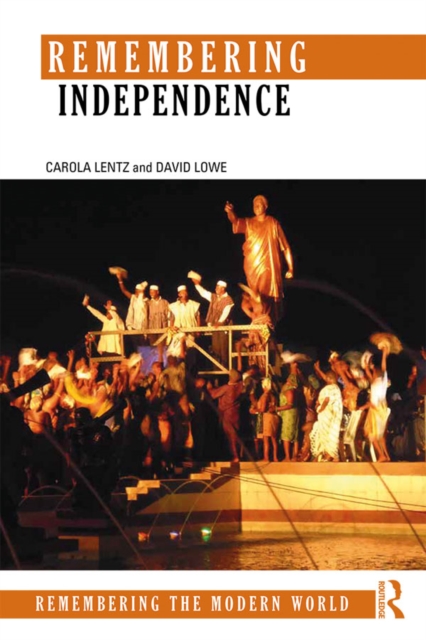
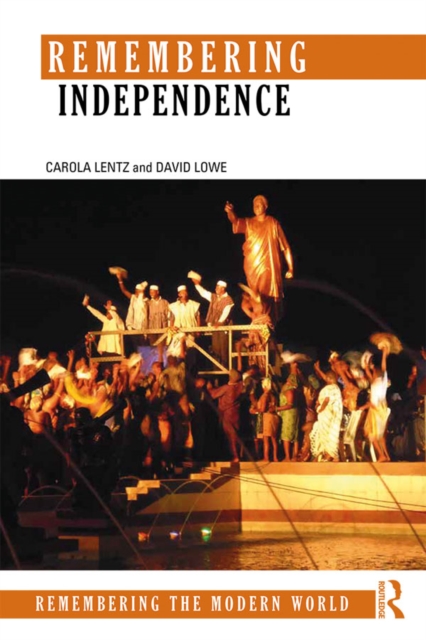
Remembering Independence explores the commemoration and remembrance of independence following the great wave of decolonisation after the Second World War.
Remembering Independence explores the commemoration and remembrance of independence following the great wave of decolonisation after the Second World War.
Landlord villages dominated Iranian land tenure for hundreds of years, whereby one powerful landlord owned the village structures, surrounding farmland, and to all intents and purposes, the village occupants themselves, a system that in some cases remained in place up to the 1979 Islamic Revolution.
Landlord villages dominated Iranian land tenure for hundreds of years, whereby one powerful landlord owned the village structures, surrounding farmland, and to all intents and purposes, the village occupants themselves, a system that in some cases remained in place up to the 1979 Islamic Revolution.
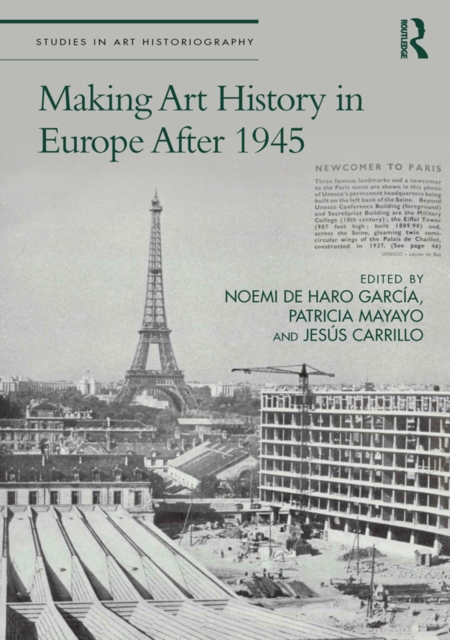
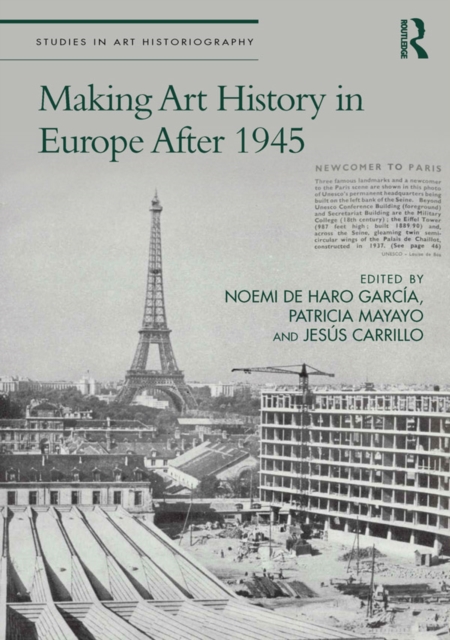
This book analyses the intermeshing of state power and art history in Europe since 1945 and up to the present from a critical, de-centered perspective.
This book analyses the intermeshing of state power and art history in Europe since 1945 and up to the present from a critical, de-centered perspective.
Global Trends in Museum Diplomacy traces the transformation of museums from publicly or privately funded heritage institutions into active players in the economic sector of culture.
Global Trends in Museum Diplomacy traces the transformation of museums from publicly or privately funded heritage institutions into active players in the economic sector of culture.
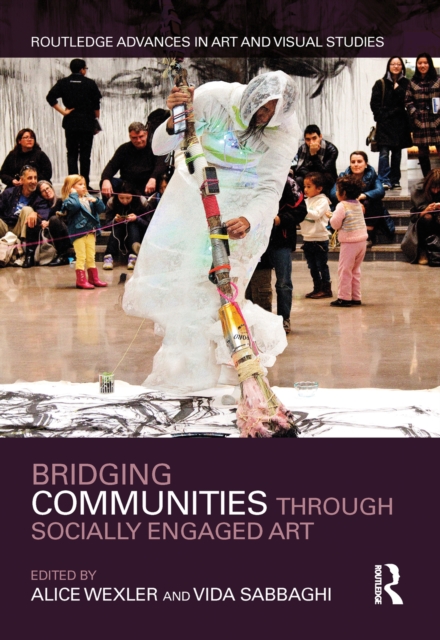
Promoting the expansion of art in society and education, this book highlights the significance of the arts as an instrument of social justice, inclusion, equity, and protection of the environment.
Promoting the expansion of art in society and education, this book highlights the significance of the arts as an instrument of social justice, inclusion, equity, and protection of the environment.
Curatorial Challenges investigates the challenges faced by curators in contemporary society and explores which practices, ways of thinking, and types of knowledge production curating exhibitions could challenge.
Curatorial Challenges investigates the challenges faced by curators in contemporary society and explores which practices, ways of thinking, and types of knowledge production curating exhibitions could challenge.
Computer technology has transformed modern society, yet curators wishing to reflect those changes face difficult challenges in terms of both collecting and exhibiting.
Computer technology has transformed modern society, yet curators wishing to reflect those changes face difficult challenges in terms of both collecting and exhibiting.
The Victorian era is famous for the collecting, hording, and displaying of things; for the mass production and consumption of things; for the invention, distribution and sale of things; for those who had things, and those who did not.