Unleash new possibilities for reading promotion and readers' advisory with these technological tools that can help you to catch the interest of young readers and direct them toward positive reading experiences.
This book shows how LIS schools and professional organizations can help information professionals to continue their education after finishing formal programs to keep up with the growing demands of the field.
This up-to-date guide provides informational professionals and their clients with much-needed assistance in navigating the immense field of government information.
This unique textbook intersects traditional library science with data science principles that readers will find useful in implementing or improving data services within their libraries.
Learn from experts who have created and presented Massive Open Online Courses (MOOCs) that can reach a vast audience, and discover how to develop and present this new online form of continuing education.
Using concrete examples, The School Librarian's Technology Playbook offers strategies for school librarians to initiate and support innovative practices throughout their school community.
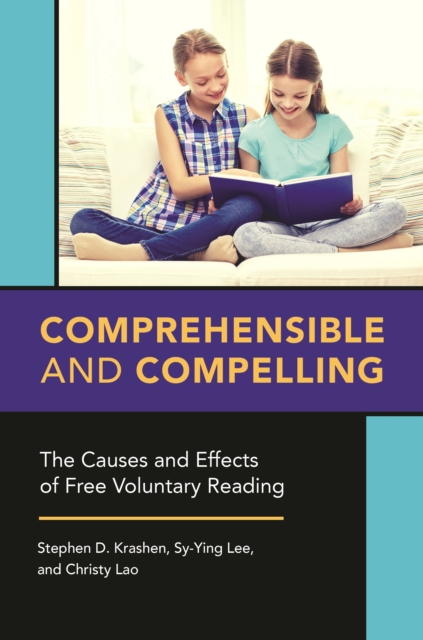
A joint effort from three thought leaders in educational research, linguistics, and literacy acquisition, this book explores the latest research that shows that compelling comprehensive input (CCI) is the baseline for all language and literacy development.
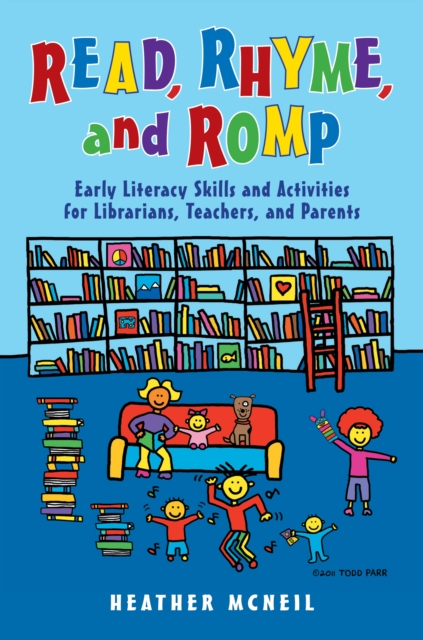
Designed to promote literacy in young children and to empower parents, educators, and librarians, this guide is filled with simple strategies, creative activities, and detailed instructions that help make reading fun.
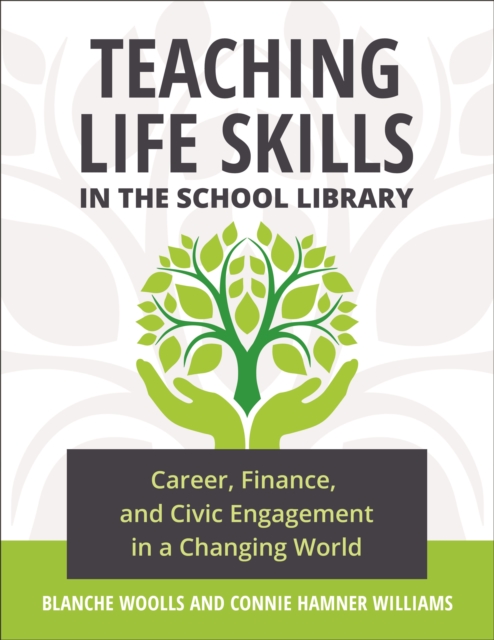
Drawing on stories from successful programs and research, this book shows librarians how to provide students with the practical information they need for a bright future.
This book provides an introduction and helpful guide to online education for librarians and educators in the K-12, public, and academic library settings.
Explore exciting programs and initiatives that can both engage undergraduate students with academic libraries and assist academic librarians in creating a vibrant library atmosphere.
A must-have guide of professional development resources for library staff at every phase of their career-from those just entering the field, to paraprofessionals building a career trajectory, to seasoned librarians looking to explore additional career options.
Emphasizing the advantages of working together and exploring the future of library services in an online, socially connected world, this exciting book shows how all public library professionals can take advantage of our strongest community and information tool-the library catalogue.
Learn how to set up a student-led podcast in your library, involve staff from several subject areas, market effectively, what challenges you are likely to face, and how podcasting will benefit the students and school overall.
This book describes a groundbreaking concept that enables public libraries-and librarians-to become indispensable by following a "e;Three Pillars"e; educational approach, and by replacing traditional terms with powerful, intuitive, value-enhanced terminology that everyone understands.
For 21st-century entrepreneurs, this book provides the practical guidance they need to overcome the often intimidating challenges of starting, organizing, and running a new business effectively and efficiently.
This comprehensive book takes the reader through the necessary steps to develop user buy-in and assistance in creating a learner-driven library program.
Google is certainly a useful Internet search tool for general topics, but most of the information available on the Invisible Web can't be found through Google.
This book provides overdue guidance for demonstrating and preserving library, information, knowledge, and archival professionalism in American, British, and Canadian communities and organizations.
Learn the concept of passive programming and get started easily with plans for implementing a wide array of intergenerational programs in libraries with this professional primer.
This book collects the research on literacy, information regarding the importance of reading to children, sources of funding, and places to find information about literacy programs in the 50 states-all in a single volume.
This fascinating book uncovers the history behind urban legends and explains how the contemporary iterations of familiar fictional tales provide a window into the modern concerns-and digital advancements-of our society.
In this practical guidebook, experienced librarians-a public librarian and a school librarian-share advice and ideas for extending resources, containing costs, and leveraging capabilities between school and public libraries, offering insights and strategies to overcome today's economic challenges.
Geared toward English and social studies teachers as well as school librarians, this book provides a clear and concise way to approach the teaching of persuasive writing-and to develop the skills students need to excel on high stakes tests as well.
This book stimulates informed dialogue between librarians and historians regarding the changing nature of history and the resultant needs for a wider variety of collections and library services, including inter-library loan, library instruction, outreach, and reference.
A candid, comprehensive, and insightful explanation of what library school students need to do in order to maximize their chances of getting a professional position immediately after graduation.
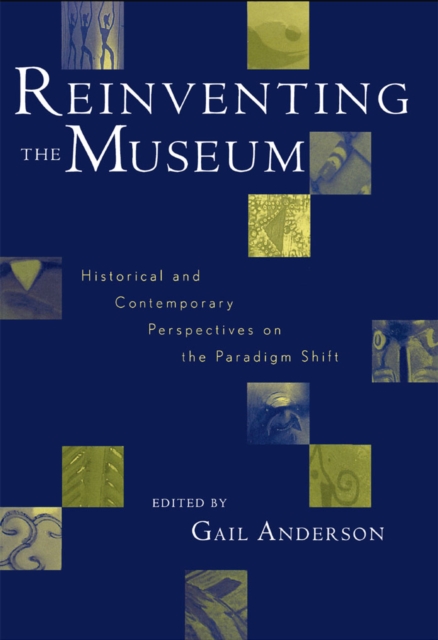
This reader brings together 35 seminal articles that reflect the museum world's ongoing conversation with itself and the public about what it means to be a museum-one that is relevant and responsive to its constituents and always examining and reexamining its operations, policies, collections, and programs.
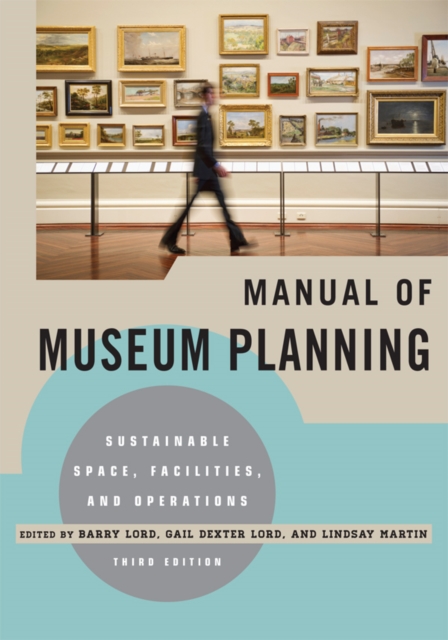
As museums have taken on more complex roles in their communities and the number of museum stakeholders has increased to include a greater array of people, effective museum planning is more important than ever.
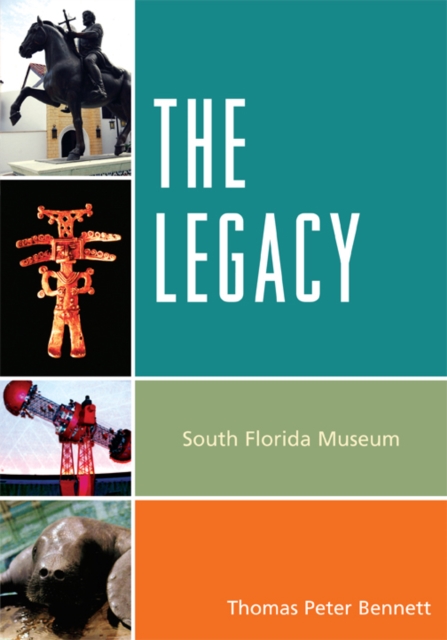
The Legacy: South Florida Museum is an account of the origins, founding, and development in twentieth-century Florida of a people's museum about archeology, Spanish exploration, manatees, and space.
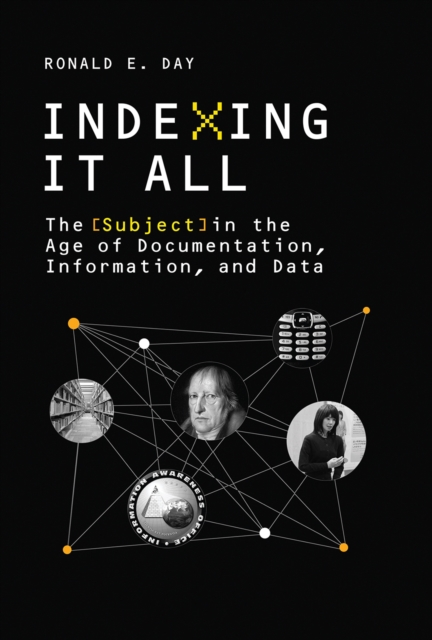
A critical history of the modern tradition of documentation, tracing the representation of individuals and groups in the form of documents, information, and data.
A concise introduction to the basics of open access, describing what it is (and isn''t) and showing that it is easy, fast, inexpensive, legal, and beneficial.
A fascinating and informative read for librarians, library staff, and MLIS students, this book offers practical information and professional guidelines to examine current issues in censorship and libraries while also enabling readers to consider their own opinions about intellectual freedom.
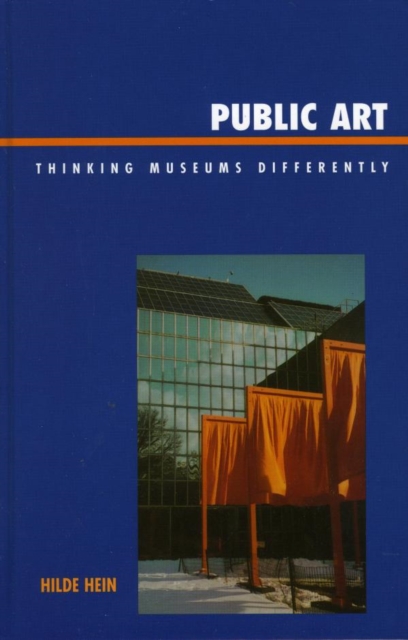
Public Art acknowledges the trend among contemporary museums to promote participatory and processual exhibition strategies meant to elicit subjective experience.
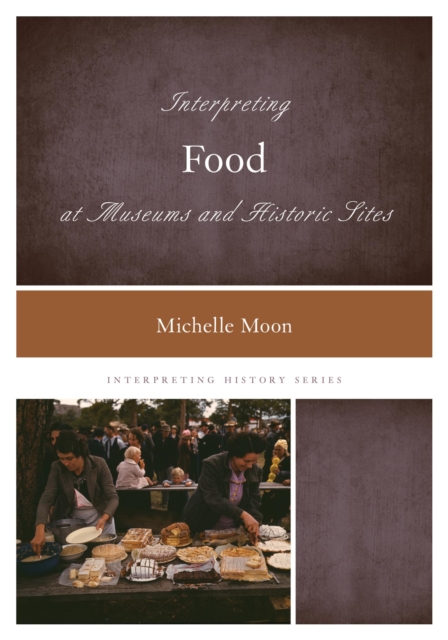
Food is such a friendly topic that it's often thought of as a "e;hook"e; for engaging visitors - a familiar way into other topics, or a sensory element to round out a living history interpretation.
Building on the author's work in The Big Book of Teen Reading Lists, this book provides 101 new and revised reading lists created in consultation with teachers and public librarians-an invaluable resource for any educator who plans activities for children that involve using literature.
This comprehensive book prepares readers for a changing profession in the library and information field, presenting a holistic approach that examines theories and models and utilizes creative problem-solving strategies.
A convincing explanation of why interactive or movable books should be included in the library collection that documents their value as motivational instructional tools-in all areas of the school curriculum, across many grade levels.
Written by a well-known intellectual freedom advocate, this book is a one-stop source for school librarians on intellectual freedom and privacy issues that blends principles with best practices.
Transform your library into a "e;think tank"e; by helping teachers create an active learning environment in which students question, investigate, synthesize, conclude, and present information based on Common Core standards.