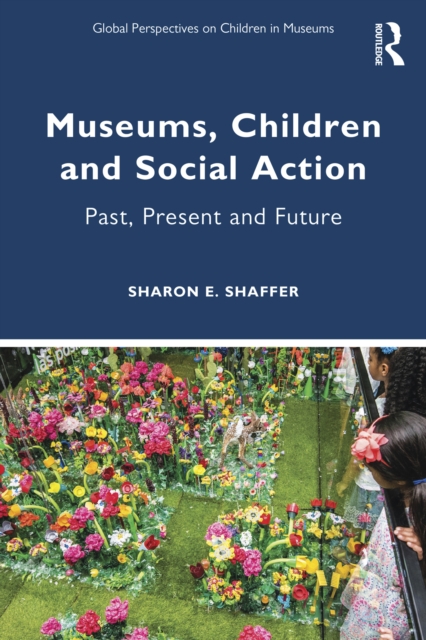
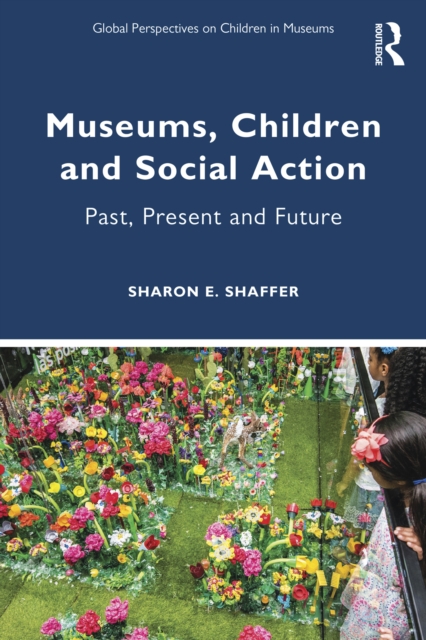
Museums, Children and Social Action examines the role that museums play in reaching, teaching and inspiring children as global citizens of the world and, looking to the future, argues that the sustainability of museums will come from strengthening relationships with young visitors.
Museums, Children and Social Action examines the role that museums play in reaching, teaching and inspiring children as global citizens of the world and, looking to the future, argues that the sustainability of museums will come from strengthening relationships with young visitors.
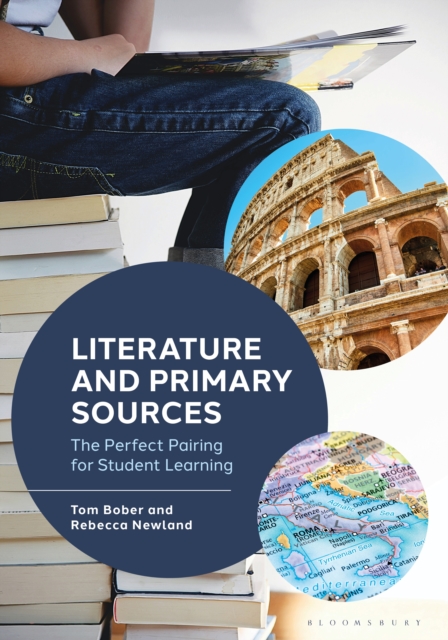
Enrich student engagement and deepen learning with this guide to foolproof techniques and strategies to integrate primary sources and literature to benefit learners from kindergarten through high school.
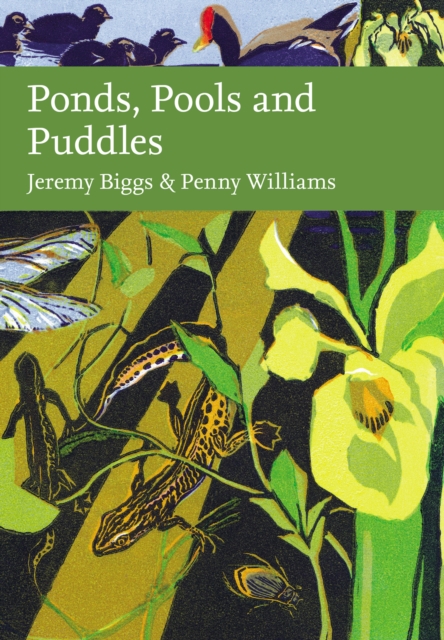
Ponds and pools are a common feature of our landscape - there are at least ten times as many ponds as lakes in the UK - and they are also important wildlife habitats.
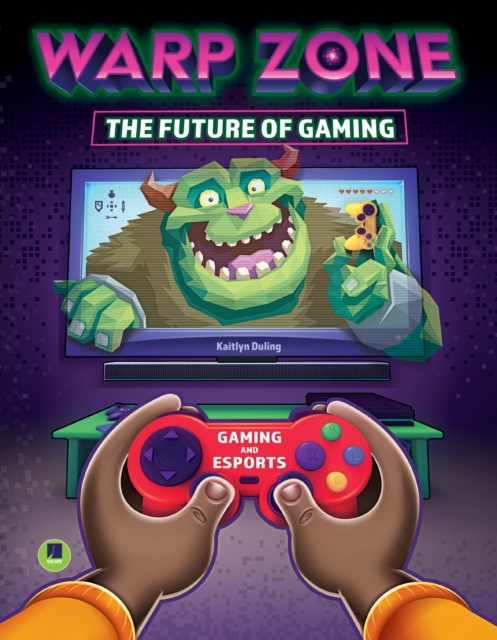
Book Features:* Ages 8-14, Grades 3-8* 32 pages, 7 inches x 9 inches* Simple, easy-to-read pages with full-color pictures* Includes pre- and post-reading activities* Reading/teaching tips and glossary includedGaming and eSports: In Warp Zone: The Future of Gaming, 3rd-8th graders discover the latest advancements in one of children's favorite past-times: gaming!
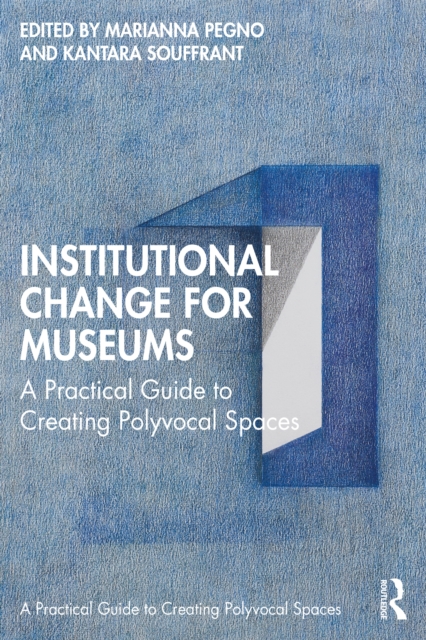
Institutional Change for Museums: A Practical Guide to Creating Polyvocal Spaces demonstrates how museums can enact institutional change by implementing systematic and structural approaches to anti-racist, anti-colonial, and anti-elitist practices.
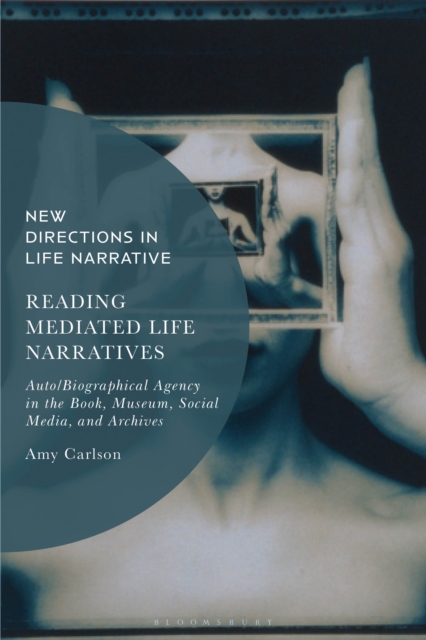
Calling attention to the unseen mediation and re-mediation of life narratives in online and physical spaces, this ground-breaking exploration uncovers the ever-changing strategies that authors, artists, publishers, curators, archivists and social media corporations adopt to shape, control or resist the auto/biographical in these texts.
The Nordic Model of Digital Archiving explores the roots and strengths of Nordic digital archiving and proposes new directions to guide digital archivists in addressing the challenges posed by ever-changing digital technologies and the datafication of information and records.
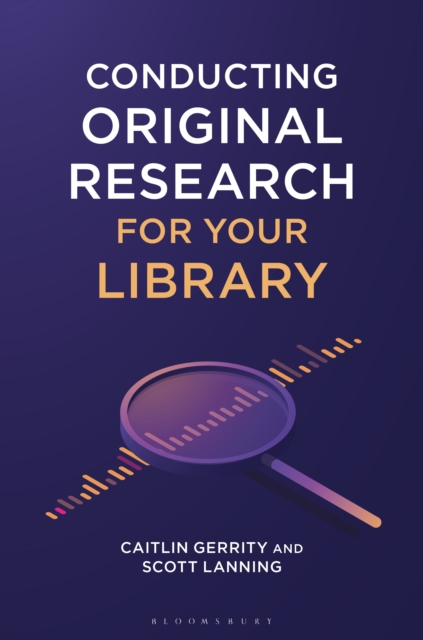
A concise manual for professionals in the field, this book helps librarians master the skills to conduct, interpret, and analyze their own original research.
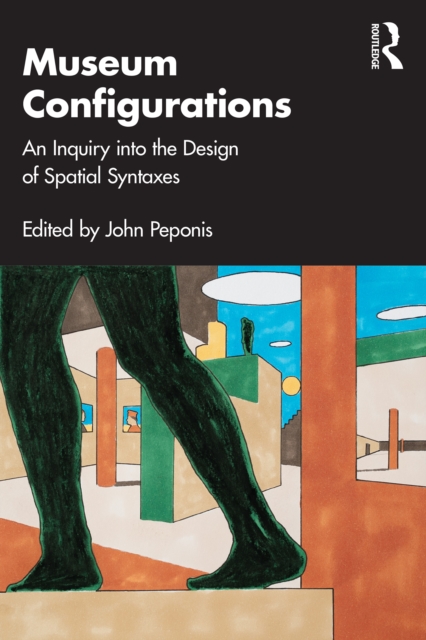
Museum Configurations demonstrates how museum space functions cognitively and communicatively and questions whether it can be designed to provide a rich embodied experience, situating displays and their public in felicitous dialogue.
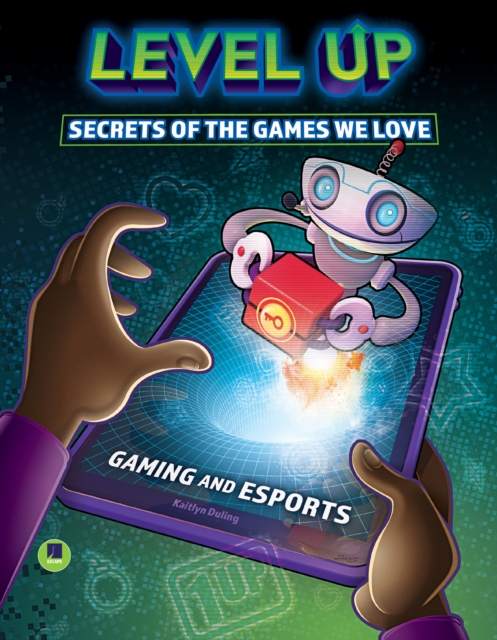
Book Features:* Ages 8-14, Grades 3-8* 32 pages, 7 inches x 9 inches* Simple, easy-to-read pages with full-color pictures* Includes pre- and post-reading activities* Reading/teaching tips and glossary includedGaming and eSports: In Level Up: Secrets of the Games We Love, 3rd-8th graders unlock interesting facts and little-known stories about some of the most popular video games, their favorite characters, and more!
This book is unique in concisely addressing the impact of new and enhanced approaches to library service, encompassing topics such as Information Literacy skills acquisition, inclusive of non-Western environments, artificial intelligence in academic libraries, research data management, and confronting the concept of VUCA (Volatility, Uncertainty, Complexity, and Ambiguity) as mentioned by the Research Planning and Review Committee of ACRL (2020).
This new volume explains in detail the properties of micronutrients and macronutrients and their diverse uses as nutraceuticals for their beneficial properties, such as their antioxidant activity and immunity-boosting properties and how they can be incorporated into the human diet for optimum health, for growing beneficial bacteria in the gut, and inhibition of pathogens.
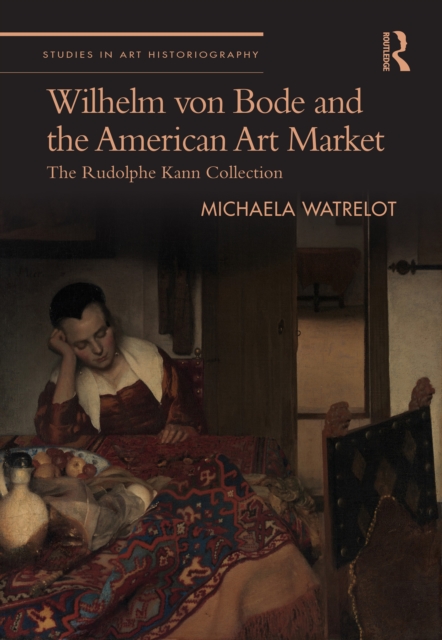
Based on an extensive and very meticulous study of different archives and the evaluation of original, previously unpublished, archival material, this book highlights the key aspects and trends of the European and American art markets in the late nineteenth and early twentieth centuries.
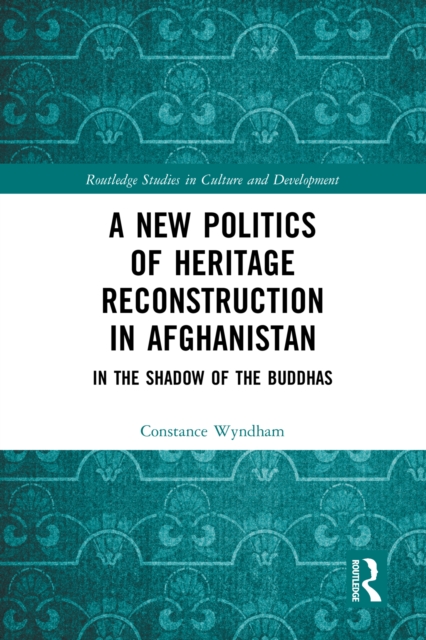
A New Politics of Heritage Reconstruction in Afghanistan investigates the politics of cultural heritage preservation in Afghanistan between 2008 and 2015.
A concise manual for professionals in the field, this book helps librarians master the skills to conduct, interpret, and analyze their own original research.
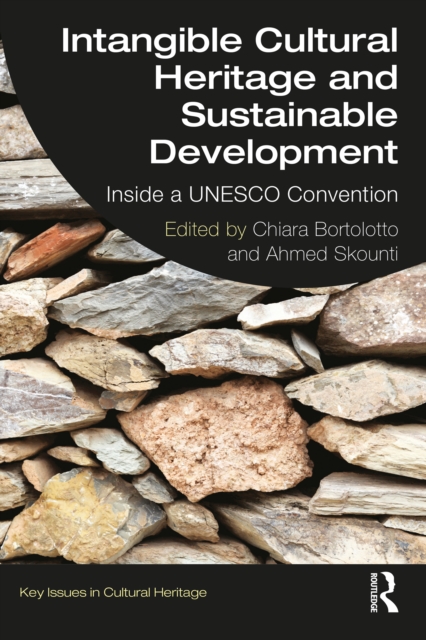
Drawing on debates about intangible cultural heritage (ICH) safeguarding at the local and international levels, Intangible Cultural Heritage and Sustainable Development: Inside a UNESCO Convention, explores the theoretical and practical implications of the intertwinement between these policy fields.
A New Politics of Heritage Reconstruction in Afghanistan investigates the politics of cultural heritage preservation in Afghanistan between 2008 and 2015.
Repatriation, Science, and Identity explores the entanglement of race, history, identity and ethics inherent in the application of scientific techniques to determine the provenance of Indigenous Ancestral Remains in repatriation claims and processes.
Future Stories in the Global Heritage Industry explores what happens to the heritage and memory of communities that find themselves in contact with the rest of the world when they become UNESCO World Heritage Sites.
The Nordic Model of Digital Archiving explores the roots and strengths of Nordic digital archiving and proposes new directions to guide digital archivists in addressing the challenges posed by ever-changing digital technologies and the datafication of information and records.
Museum Configurations demonstrates how museum space functions cognitively and communicatively and questions whether it can be designed to provide a rich embodied experience, situating displays and their public in felicitous dialogue.
This book provides targeted and invaluable help for the busy elementary school librarian and the science teacher as they work together to design and co-teach library-based lessons guided by the Next Generation Science Standards, English Literacy Common Core Standards, and the new AASL Standards.