'I love the winter months and I love Rachel de Thample's serious engagement with food as a way to living with connection and pleasure' Sheila Dillon--This book is a cordial invitation for you to embrace the essential transition of a winter wind-down.
'I love the winter months and I love Rachel de Thample's serious engagement with food as a way to living with connection and pleasure' Sheila Dillon--This book is a cordial invitation for you to embrace the essential transition of a winter wind-down.
Creating a Person-Centered Library provides a comprehensive overview of various services, programs, and collaborations to help libraries serve high-needs patrons as well as strategies for supporting staff working with these individuals.
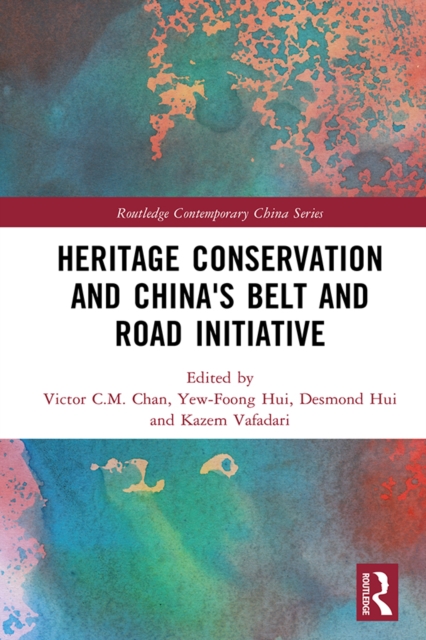
This book explores how China's Belt and Road Initiative through promoting a non-Western-centred geopolitical narrative is affecting the conservation and management of Belt and Road heritage sites.
This book explores how China's Belt and Road Initiative through promoting a non-Western-centred geopolitical narrative is affecting the conservation and management of Belt and Road heritage sites.
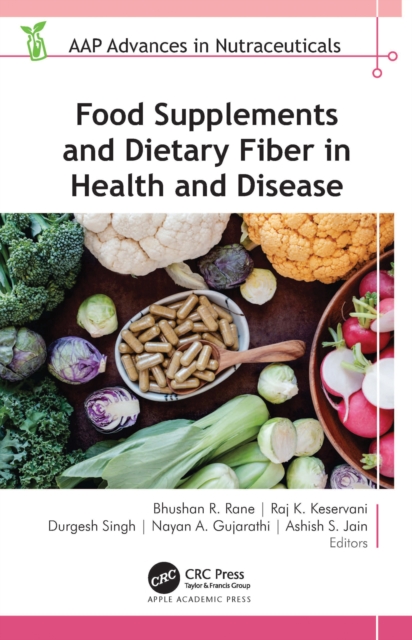
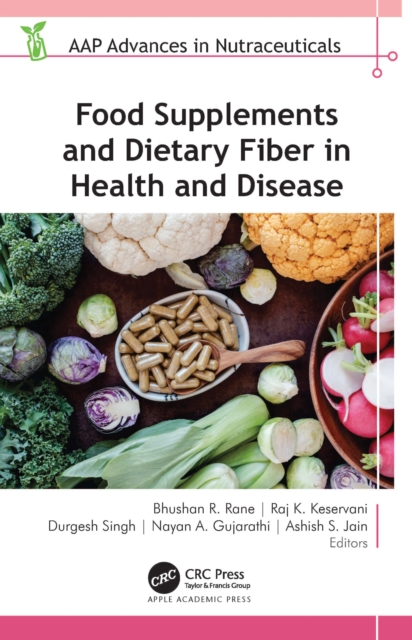
Here is an in-depth and informative introduction to dietary fibers and food supplements, elaborating on their uses and benefits in the prevention and treatment of such health issues and diseases as diabetes, obesity, coronary heart disease, colorectal and other types of cancer, and gut health.
Here is an in-depth and informative introduction to dietary fibers and food supplements, elaborating on their uses and benefits in the prevention and treatment of such health issues and diseases as diabetes, obesity, coronary heart disease, colorectal and other types of cancer, and gut health.
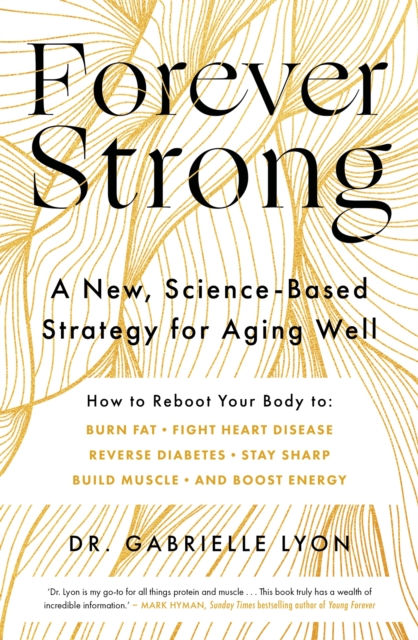
THE INSTANT NEW YORK TIMES BESTSELLERLearn how to reboot your metabolism, build strength, and extend your life with this accessible new book that demonstrates the importance of muscle for health and longevity from the founder of the Institute for Muscle-Centric Medicine .
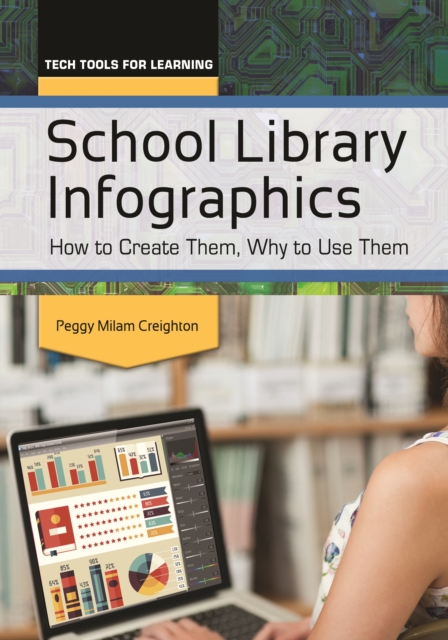
Find out how you can increase the impact of your school library instruction, promotion, and organization with the utilization of infographics created with do-it-yourself tips found within this guidebook.
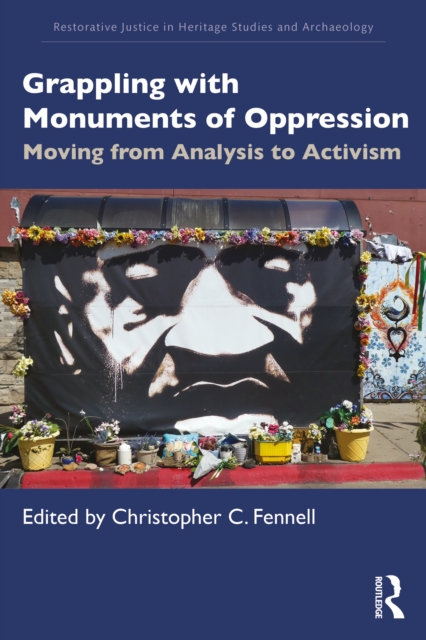
Grappling with Monuments of Oppression provides a timely analysis of the diverse approaches being used around the world to confront colonial and imperial monuments and to promote social equity.
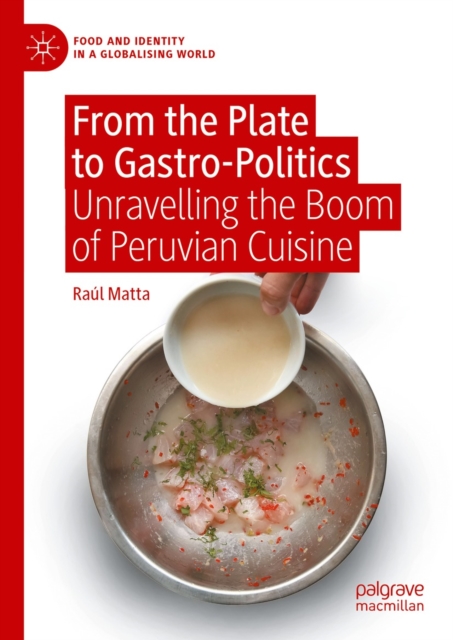
This book provides an interdisciplinary examination of Peruvian cuisine's shift from a culinary to a political object and the making of Peru as a food nation on the global stage.
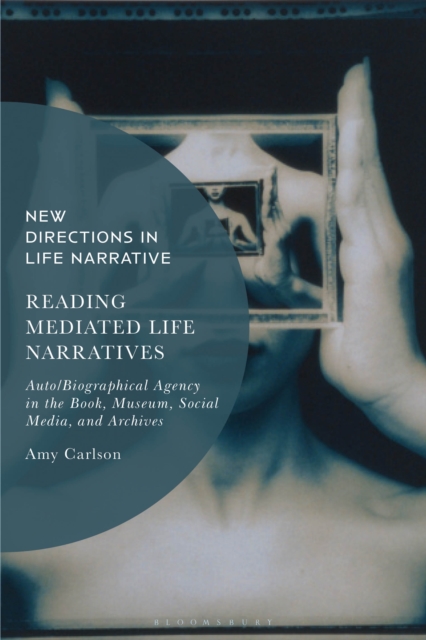
Calling attention to the unseen mediation and re-mediation of life narratives in online and physical spaces, this ground-breaking exploration uncovers the ever-changing strategies that authors, artists, publishers, curators, archivists and social media corporations adopt to shape, control or resist the auto/biographical in these texts.
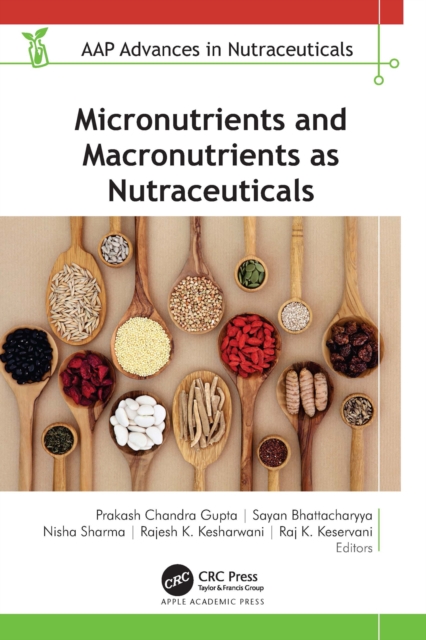
This new volume explains in detail the properties of micronutrients and macronutrients and their diverse uses as nutraceuticals for their beneficial properties, such as their antioxidant activity and immunity-boosting properties and how they can be incorporated into the human diet for optimum health, for growing beneficial bacteria in the gut, and inhibition of pathogens.
This book offers 101 passive programming ideas that are extendable, adaptable, customizable, and above all, stealable-so your passive programming never runs dry.
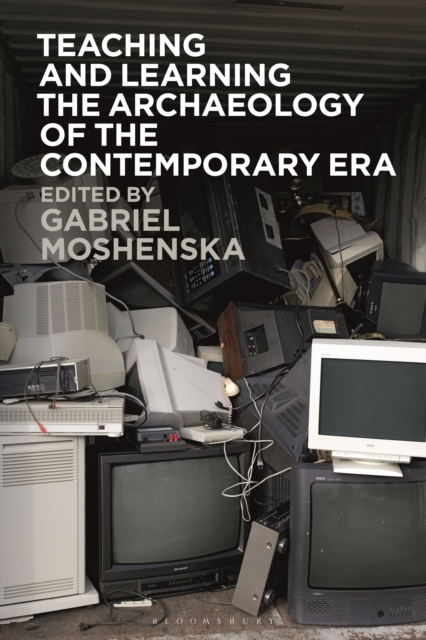
The tools and techniques of archaeology were designed for the study of past people and societies, but for more than a century a growing number of archaeologists have turned these same tools to the study of the modern world.
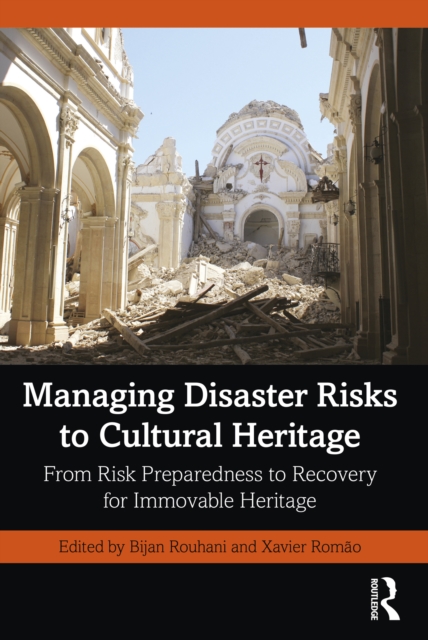
Managing Disaster Risks to Cultural Heritage presents case studies from different regions in the world and establishes a framework for understanding, identifying, and analysing disaster risks to immovable cultural heritage.
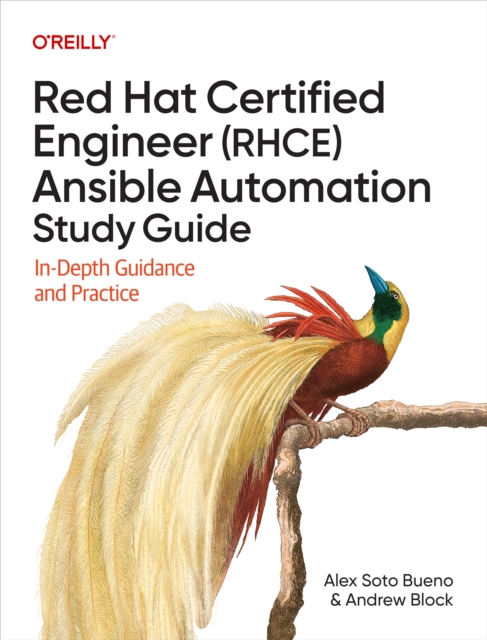
With the Ansible automation tool, developers and system administrators in the enterprise can automate the provisioning, configuration, and management of distributed and on-premises systems.
The Human Relationship with Information uses a philosophical lens to explore questions about the fundamental place of information in a fulfilling human life.
The 15 international authors of this book live in Brazil, Canada, Cameroon, China, Cuba, European Union, Finland, Gaza Strip, India, Nepal, New Zealand, Nigeria, Sri Lanka, United Kingdom and the United States of America.
The book presents themes related to contemporary architecture as the results of diverse cultural influences and architectural legacies, manifested in a rich variety of styles, materials, and spatial perceptions.
The 15 international authors of this book live in Brazil, Canada, Cameroon, China, Cuba, European Union, Finland, Gaza Strip, India, Nepal, New Zealand, Nigeria, Sri Lanka, United Kingdom and the United States of America.
This book seeks to explore the theoretical and architectural connections between memory, values, cultural identity, and adaptive reuse in Latin America.
Bridging the gap between research and practice communities is more pertinent than ever because of the need for evidence in developing and evaluating library services and programs.
In view of the ever-increasing use of interactive and emerging technologies in museum spaces, Museums and Technologies of Presence rethinks the role of such technologies as potential facilitators of presence and as vehicles for offering new, immersive, and embodied visitor experiences.
Across humanities disciplines, public scholarship brings academics and community members and organizations together in mutually-beneficial partnership for research, teaching, and programming.
The book explores largely overlooked areas of Silk Road studies by searching for multidisciplinary evidence on the connotations of Silk Road culture and by rewriting social complexities along the Silk Road in different historical periods.
The book explores largely overlooked areas of Silk Road studies by searching for multidisciplinary evidence on the connotations of Silk Road culture and by rewriting social complexities along the Silk Road in different historical periods.
Kim and Zoh bring together a team of contributors to analyse the role of heritage studies across Asia, and its impact on Asia and its constituent countries.
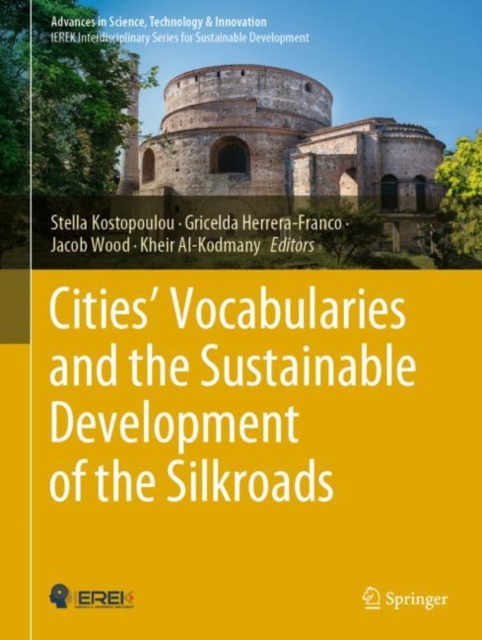
-This book discusses how cities' identities are formed and developed over time and portrays architecture and the arts as the embodiment of the historical, cultural, and economic characteristics of cities.
In view of the ever-increasing use of interactive and emerging technologies in museum spaces, Museums and Technologies of Presence rethinks the role of such technologies as potential facilitators of presence and as vehicles for offering new, immersive, and embodied visitor experiences.