History teachers and school library media specialists will find this guide a valuable resource for creating technologically advanced, resource-based instructional units in American and World History in grades 7-12.
Forty years after the publication of Rachel Carson's Silent Spring, this important study examines the history, industrial uses, and harmful effects of the twelve most commonly used organochloride chemicals.
Judy Freeman, author of the Books Kids Will Sit Still For series, gives practical how-to tips on how to tell a story, and write and stage a Reader's Theater script that gets children involved with creative drama.
The first reference book written for the sight-impaired student and those who serve their needs, A Field Guide for the Sight-Impaired Reader explains how to locate, obtain, and integrate all forms of aid to construct a world of reading equal to that of the fully sighted reader.
Geography teachers and school library media specialists will find this resource indispensable for providing classroom lessons and activities in critical thinking for geography students in grades 7-12.
Build confidence in delivering primary source-based instruction with easily adaptable, skill-based lessons that can be used in a variety of learning environments.
Appropriate for experienced elementary librarians as well as students in school library preparation programs, this powerful book explains the advantages of utilizing a flexible schedule with collaboration as compared to a fixed schedule without collaboration.
This one-stop guide to nurturing six core early literacy skills at your library also offers practical tips for sharing these skills with parents, teachers, and other caregivers so they can institute them in playgroups, in school, or at home.
Having a clear, attractive, and easy-to-navigate website that allows users to quickly find what they want is essential for any organization-including a library.
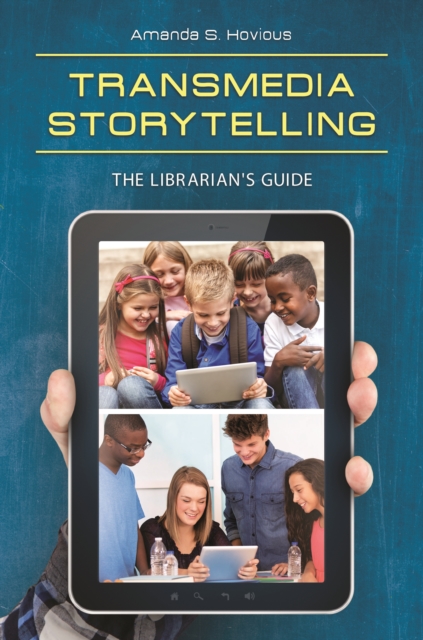
This practical and thorough guide offers clear explanations of what transmedia storytelling is and shows how it can be integrated into library programming that fosters multimodal literacy with K-12 learners.
This book explains the rapidly changing, complex flow of information in the context of 21st-century culture, policy, technology, and economics-an essential resource for librarians and information specialists in all types of settings.
Strong archival programs are rare, in part because the archival field has not given sustained attention to program leadership and management issues over the years.
Local and regional government information is essential to government workers, corporate researchers, students, and many other citizens, but finding a city ordinance or a county report can be a daunting experience.
Using shaggy dog stories based on classic literature, the Polettes address common spelling and grammatical errors and the ways in which children can be taught to read critically to recognize them.
Sponsored by the Center for the History of Print Culture in Modern America, this volume features a selection of ten papers compiled from the Center's second national conference, accompanied by a detailed introduction.
The digital divide is a disturbing reality, and teens in our society increasingly fall into distinct categories of technology haves and have-nots, whether or not computers are available to them in the schools.
Today, with all of the controversies surrounding religion in the schools and in the public sphere, it would seem more important than ever that teachers and librarians have a quick source of up-to-date, correct, unbiased information to give to patrons and students.
Use these 100 handy reproducible book lists to instantly create handouts for teen readers and teachers, add to your newsletter, or post on your web site or bulletin board.
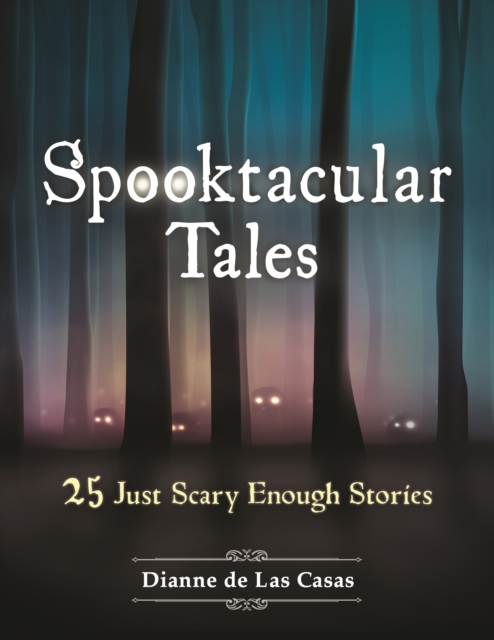
Written by a popular performer and well-known storyteller, this entertaining compendium reveals the secrets for suspenseful storytelling and features 25 spooky stories for audiences of all ages.
A dive-right-in, quick-start guide for busy library professionals who want to build literacy, STEAM, and other 21st-century skills using simple robots in a fun, collaborative environment.
These compelling, enlightening, and often highly personal experiences tell stories of average citizens as well as historical figures who made huge sacrifices by serving in the military, giving the reader new perspectives on war, and its real costs.
Covering both classification and cataloging principles as well as procedures relevant to school libraries, this book provides a teaching kit for a course on this critical subject that includes content and practice exercises.
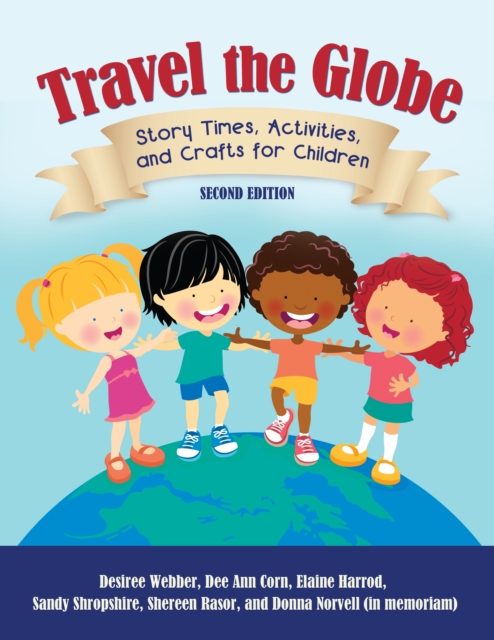
This book assists the busy professional with ready-to-use materials to present entertaining, educational, and age-appropriate programs that introduce young learners to countries and cultures around the world.
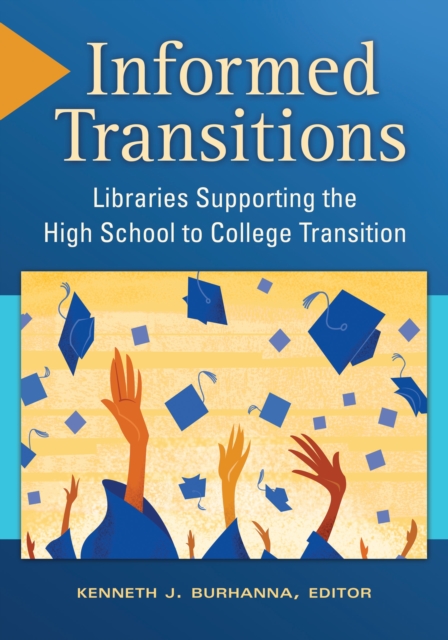
How can libraries and librarians across the educational continuum work together to support student transitions from high school to college, utilizing free or low-cost resources?
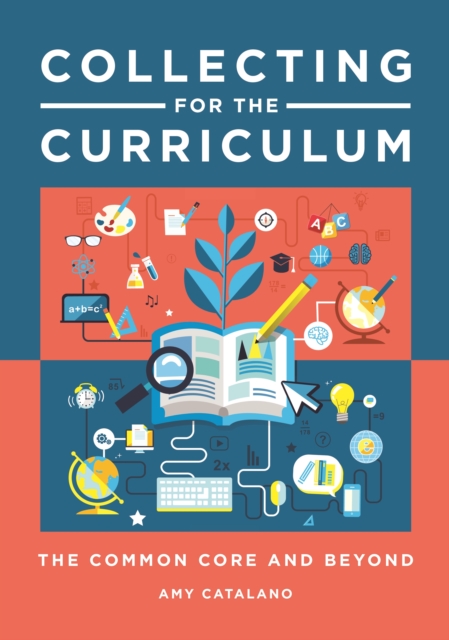
If you're a librarian charged with collecting curriculum materials and children's literature to support the Common Core State Standards, then this book-the only one that offers explicit advice on collection development in curriculum collections-is for you.
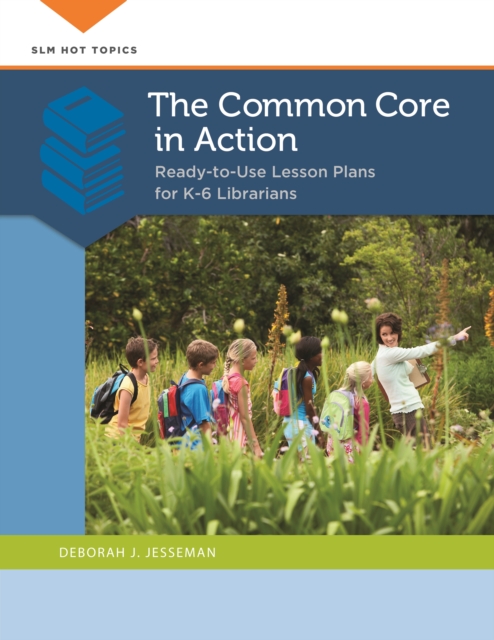
Implementation of the Common Core State Standards with the integration of children's literature can transform teaching and learning into a holistic and engaging experience.
Integrate chemistry and art with hands-on activities and fascinating demonstrations that enable students to see and understand how the science of chemistry is involved in the creation of art.
This step-by-step introduction to teaching thinking skills in the primary grades will be useful to teachers, librarians and staff development personnel.
The third edition of Crash Course in Collection Development is a must-have for librarians just entering the field and professionals in need of a refresher in effective library operations.
The importance of records in modern society is explored by re-examining some of the historical antecedents for critical functions in the modern records professions.
One part theory (borrowed from business world), one part practice (including detailed case studies of the University of Pittsburgh and the University of Arizona), one part inspiration: Beyond Survival offers ideas about how academic libraries can not only survive in the short term, but take advantage of emergent opportunities by judiciously adopting the same organizational development tools and concepts espoused by the business world.
Every year, leading librarians, scholars, and administrators from the United States are invited to give papers on important library-related topics at the Kanazawa Institute of Technology's Roundtable.
This second book in a four-book series exploring the elements, Wonders of Nature: Natural Phenomena in Science and Myth, looks at the wonder of air from both a scientific and mythical perspective.
The latest edition of a major literature guide provides citations and informative annotations on a wide range of reference sources, including manuals, bibliographies, indexes, databases, literature surveys and reviews, dissertations, book reviews, conference proceedings, awards, and employment and grant sources.