General directors who have all made their marks in the field of librarianship report from a variety of perspectives, including economic, social, educational, cultural developmental, and political.
Museum Studies for a Post-Pandemic World demonstrates that digital literacy, creativity, and resilience, as the COVID-19 pandemic has so vividly illustrated, are now vital components of the classroom and of the curator's toolbox.
Curating Human Rights conceptualizes the human rights museum as a dynamic cultural-political genre that interacts with multiple social activist, state and corporate stakeholders.
Platon, Jenofonte, Aristoteles como iban a suponer que buscariamos en sus obras los vestigios para la reconstruccion del pasado del libros y del negocio librero?
This book examines multivocality in 21st-century World Heritage management through an in-depth interdisciplinary exploration of the complexity and plurality of voices on the ground at a specific World Heritage site, offering new perspectives and insights into the established inherent tension between change and heritage conservation.
Designed to promote literacy in young children and to empower parents, educators, and librarians, this guide is filled with simple strategies, creative activities, and detailed instructions that help make reading fun.
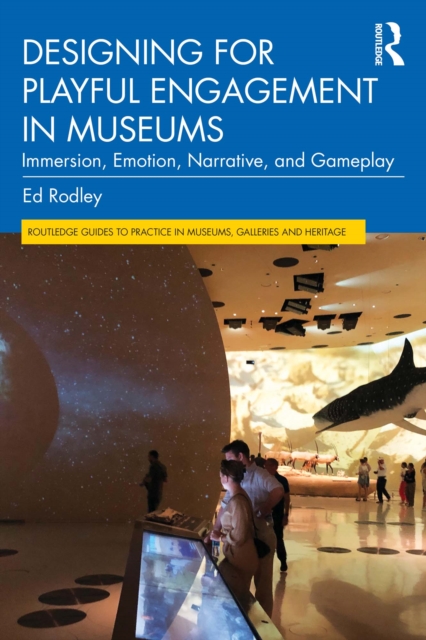
Designing for Playful Engagement in Museums is filled with creative fodder for practitioners who wish to make more memorable and engaging experiences that promote a sense of presence, effectively evoke emotions, tell stories that transport them, and harness visitors' innate playfulness.
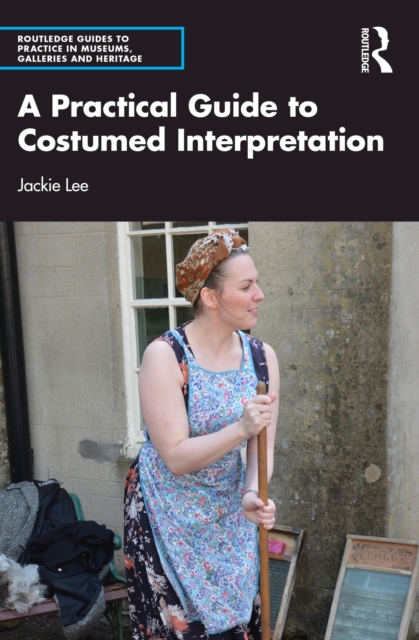
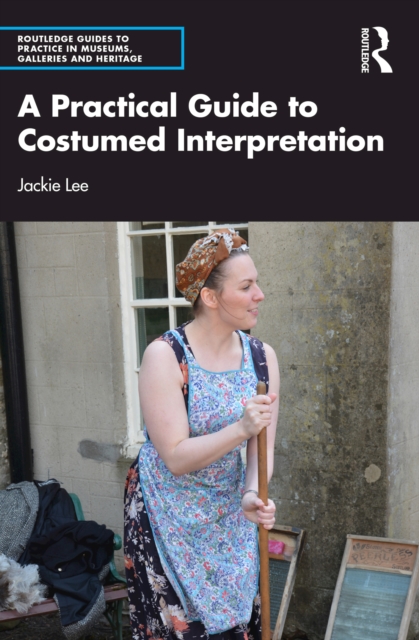
A Practical Guide to Costumed Interpretation is just that - a book that takes you through the various stages of becoming an historical costumed interpreter.
A Practical Guide to Costumed Interpretation is just that - a book that takes you through the various stages of becoming an historical costumed interpreter.
This book illustrates that real-life learning in which students conduct scientific investigations and make new innovations to solve real-world problems is an integral part of STEM (science, technology, engineering, math) and STEAM (science, technology, engineering, art, math) education.
Zurück zum Ursprung ist ein liebevoller Aufruf, Dich von alten negativen Emotionen zu befreien und Dich wieder auf Dich selbst zuzubewegen, in Deiner Schöpferkraft anzukommen und Dich in Deiner Großartigkeit zu erkennen.
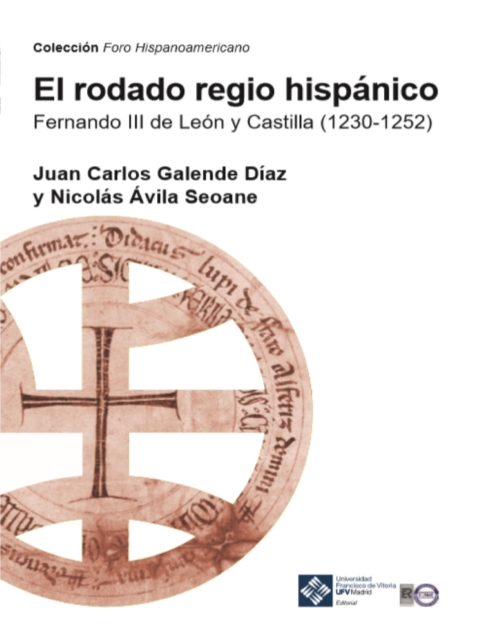
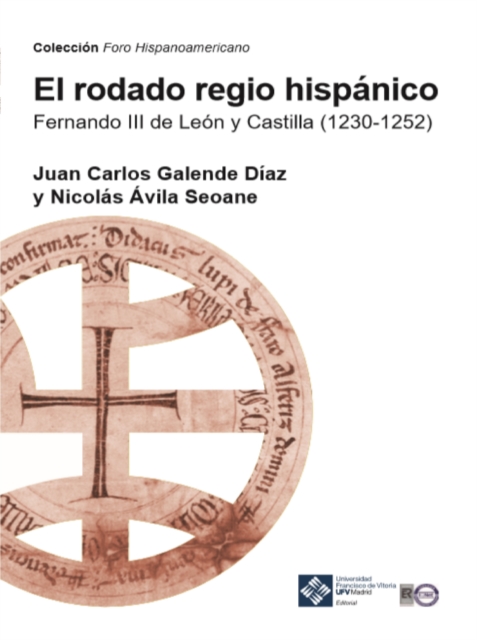
Esta segunda entrega sobre la rota en los privilegios castellanoleoneses, cuyo inicial volumen, editado por el Consejo Nacional de Investigaciones Cientificas y Tecnicas (CONICET) de Argentina, abarcaba de 1157 a 1230, aborda ahora los anos inmediatos a la unificacion definitiva de Leon y Castilla que supuso importantes cambios en las ruedas.
Esta segunda entrega sobre la rota en los privilegios castellanoleoneses, cuyo inicial volumen, editado por el Consejo Nacional de Investigaciones Cientificas y Tecnicas (CONICET) de Argentina, abarcaba de 1157 a 1230, aborda ahora los anos inmediatos a la unificacion definitiva de Leon y Castilla que supuso importantes cambios en las ruedas.
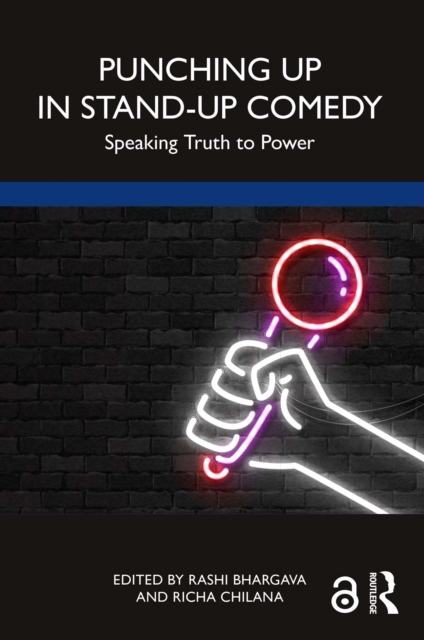
Punching Up in Stand-Up Comedy explores the new forms, voices and venues of stand-up comedy in different parts of the world and its potential role as a counterhegemonic tool for satire, commentary and expression of identity especially for the disempowered or marginalised.
This edited volume draws from health communication scholars and offers a depthful examination of the roles vaccination have played and continue to play in contributing to human, community, and transnational protection against infectious diseases.
Los museos existen desde siempre, y por eso algunas personas creen que allá es a donde tienen que ir a parar las cosas viejas, que ya no sirven y que nadie quiere.
The global shift toward delivering services online requires organizations to evolve from using traditional paper files and storage to more modern electronic methods.
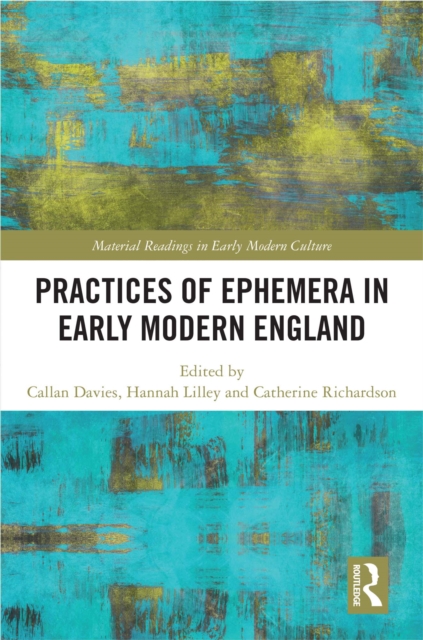
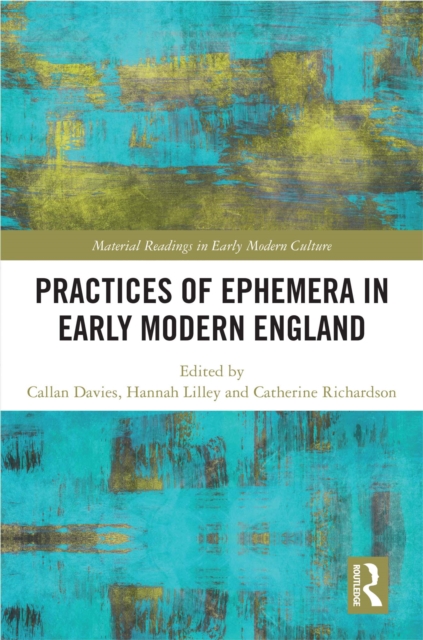
This collection is the first to historicise the term ephemera and its meanings for early modern England and considers its relationship to time, matter, and place.
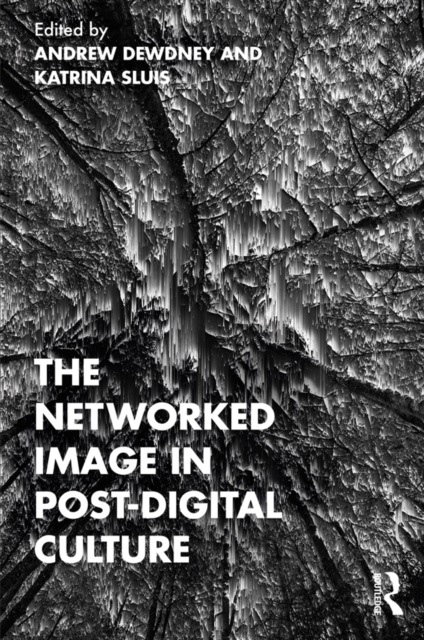
This collection examines how the networked image establishes new social practices for the user and presents new challenges for cultural practitioners engaged in making, curating, teaching, exhibiting, archiving and preserving born-digital objects.
This collection is the first to historicise the term ephemera and its meanings for early modern England and considers its relationship to time, matter, and place.
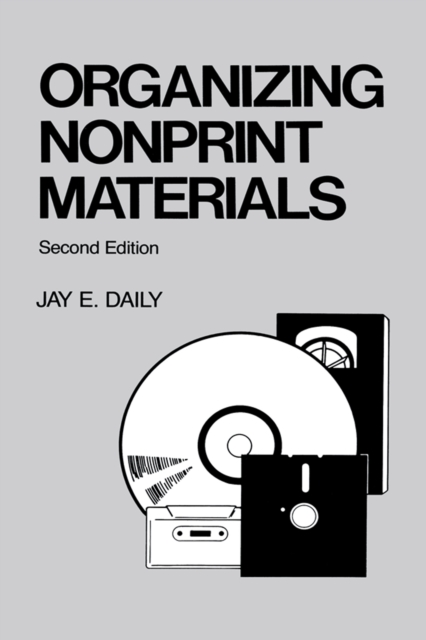
This book surveys the various methods and problems of organizing nonprint materials and describes the use of microcomputers both for storing nonprint items and keeping track of them.
Offers an historical perspective of the past 25 years of computers in libraries, profileing currently available processing systems according to their size and platform.
XML-based Content Management: Integration, Methodologies and Tools covers the design and deployment of XML-based solutions and how to manage content and metadata, a practice that requires a more methodological approach than those traditionally applied to the design and deployment of document and content management solutions.
This book explores commemoration practices and preservation efforts in modern Britain, focusing on the years from the end of the First World War until the mid-1960s.
This book is based on the topics, questions and results of the international conference "e;Aesthetics of Transformation - Arts Education Research and the Challenge of Cultural Sustainability"e;.
Gadjeva uses Kyoto as a case study to explore the innovative mechanisms being used to promote Japanese culture and cultural properties since the outbreak of COVID-19.
Through an approach strongly oriented to socio-health contexts and healthcare facilities, with multidisciplinary contributions on the methodological and technical aspects, or legislative issues, the book provides tools and design strategies to plan and realize therapeutic places and healing gardens for care, rehabilitation, interaction, and social inclusion.
Gadjeva uses Kyoto as a case study to explore the innovative mechanisms being used to promote Japanese culture and cultural properties since the outbreak of COVID-19.