Characterized by its move away from Romanticism and toward mundane, every day subjects, as well as incorporating such ideas as metanarrative, stream of consciousness, and disjointed timelines, the American Modernist Era was at its heyday during the years 1914-1949.
Librarian Jim Hahn has carefully culled the over 500,000 available apps down to the 100 that are the absolute best for day-in, day-out library services.
It is absolutely essential that today's law librarians are digitally literate in addition to possessing an understanding and awareness of recent advancements and trends in information technology as they pertain to the library field.
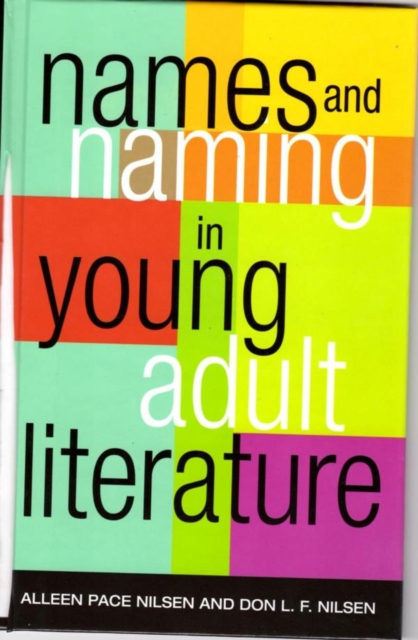
This book shows how authors of young adult literature use the creation of names for people, places, events, inventions, animals, and imaginary concepts as one of their most important literary techniques.
Designed for public librarians, school media specialists, teachers, and anyone with an interest in supporting teen literacy, this book features 133 nonfiction booktalks to use with both voracious and reluctant teen readers.
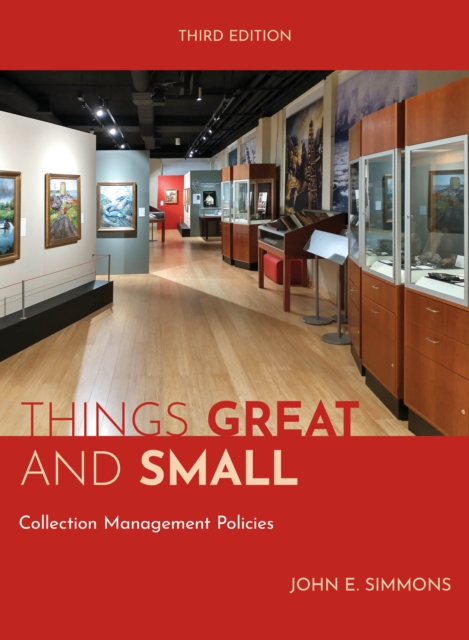
Collection care is a fundamental responsibility for museums and other collecting institutions, and the foundation of collection stewardship is good collection management policies.
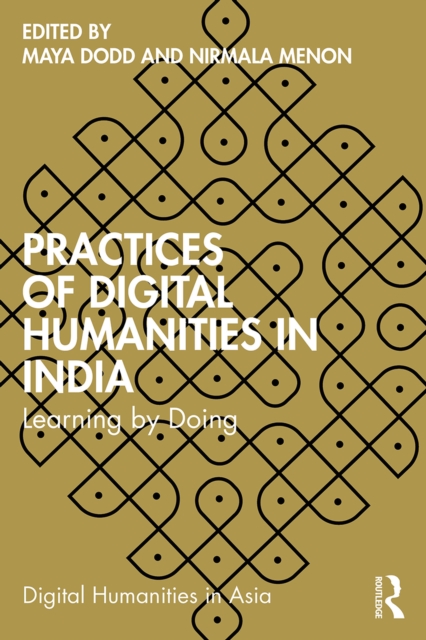
This book represents examples of innovations in digital humanities (DH) efforts across India while theorizing disparate challenges and its negotiations.
Domain analysis is the process of studying the actions, knowledge production, knowledge dissemination, and knowledge-base of a community of commonality, such as an academic discipline or a professional community.
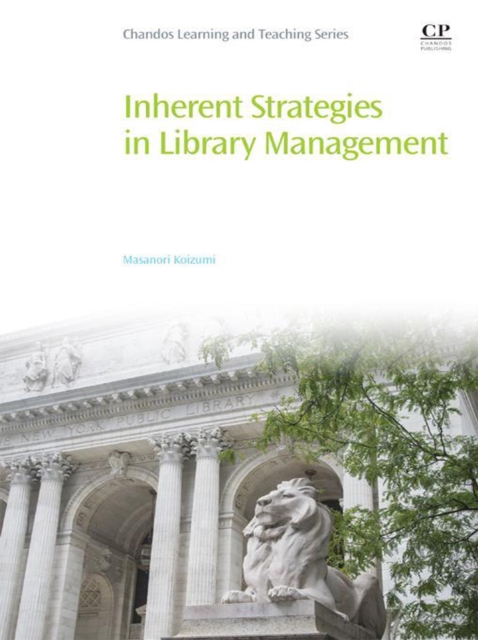
Inherent Strategies in Library Management describes general and specific strategies for libraries based on core library values, and does so through concrete research.
By fostering principles of systems thinking and informed learning though an inclusive, participatory design process that advances information exchange, reflective dialogue, and knowledge creation, the Informed Systems Approach promotes conceptual change in workplace organizations.
Digital Information Strategies: From Applications and Content to Libraries and People provides a summary and summation of key themes, advances, and trends in all aspects of digital information at the present time.
This edited volume reflects on the profound effort undertaken by artists to contest settler denial and amnesia to disclose Australia's foundations in racialised violence and land theft.
XML-based Content Management: Integration, Methodologies and Tools covers the design and deployment of XML-based solutions and how to manage content and metadata, a practice that requires a more methodological approach than those traditionally applied to the design and deployment of document and content management solutions.
Collaboration and the Academic Library: Internal and External, Local and Regional, National and International explores the considerable change that has affected universities and academic libraries in recent years.
From Information Literacy to Social Epistemology: Insights from Psychology focuses on information and the ways in which information literacy relates to critical thinking in education, the workplace, and in our social life.
Advances in Heat Transfer is designed to fill the information gap between regularly scheduled journals and university level textbooks by providing in-depth review articles over a broader scope than is allowable in either journals or texts.
The 21st Century Academic Library: Global Patterns of Organization and Discourse discusses the organization of academic libraries, drawing on detailed research and data.
IMPACT Learning: Librarians at the Forefront of Change in Higher Education describes how academic libraries can enable the success of higher education students by creating or partnering with teaching and learning initiatives that support meaningful learning through engagement with information.
Proteins: Sustainable Source, Processing and Applications addresses sustainable proteins, with an emphasis on proteins of animal origin, plant-based and insect proteins, microalgal single cell proteins, extraction, production, the stability and bioengineering of proteins, food applications (e.
This study reassesses Cage's multifaceted practice from a transdisciplinary perspective, using text as a premise for his musical, visual, lingual, and museal compositions.
A co-branded book project with Jisc (formerly the Joint Information Systems Commitee), off the back of DigiFest 2014, a digital festival run by Jisc for the first time in 2014.
Library Supply Chain Management for Collection Services of Academic Libraries: Solving Operational Challenges and Enhancing User Productivity contains three sections, each comprised of several topical chapters on a particular subject.
Beyond Mentoring: A Guide for Librarians and Information Professionals looks at mentorship, mentorship programs, what works, what doesn't, and different techniques, such as group and peer mentoring.
Fundraising: How to Raise Money for Your Library Using Social Media introduces the phenomena that many members, supporters and fundraisers are not using social media to fundraise for their libraries, and may not be aware of its strengths and pitfalls.
Intended to be an accessible guide to transformational information work, the book collects approximately thirty brief case studies of information related organizations, initiatives, and/or projects that focus on social justice related activities.
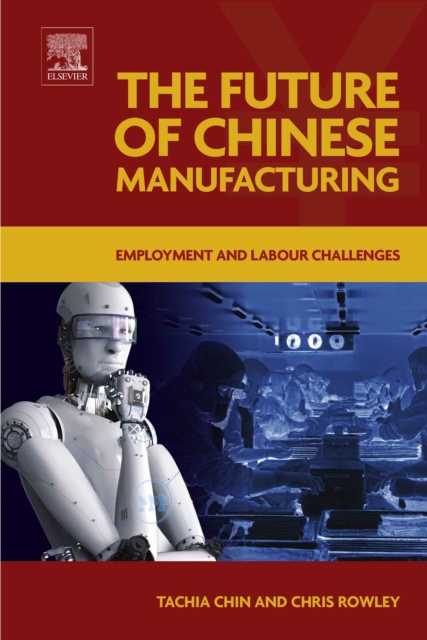
The Future of Chinese Manufacturing: Employment and Labour Challenges gives context and analysis on employment and labor issues in contemporary China, specifically relating to manufacturing industries.
The Invisible Librarian: A Librarian's Guide to Increasing Visibility and Impact provides insights into what many librarians are feeling, including questions such as "e;do they feel invisible?
New Roles for Research Librarians: Meeting the Expectations for Research Support presents strategies librarians can use to adapt to the new conditions and growing expectations that are emerging from students and researchers.
A Practical Guide for Informationists: Supporting Research and Clinical Practice guides new informationists to a successful career, giving them a pathway to this savvier, more technically advanced, domain-focused role in modern day information centers and libraries.
Understanding Personalization: New Aspects of Design and Consumption addresses the global phenomenon of personalization that affects many aspects of everyday life.
Digital Participation through Social Living Labs connects two largely separate debates: On the one hand, high speed internet access and associated technologies are often heralded as a means to bring about not only connectivity, but also innovation, economic development, new jobs, and regional prosperity.
Map Librarianship identifies basic geoliteracy concepts and enhances reference and instruction skills by providing details on finding, downloading, delivering, and assessing maps, remotely sensed imagery, and other geospatial resources and services, primarily from trusted government sources.
Environmental Noise Pollution: Noise Mapping, Public Health and Policy addresses the key debates surrounding environmental noise pollution with a particular focus on the European Union.
Ethics Management in Libraries and Other Information Services presents professional ethics from a managerial point-of-view, explaining how to implement ethical management systems in libraries and information services and presenting the necessary tools needed to understand the practical application of a system of ethical management based on ISO 26000: 2010.
The Intersection: Where Evidence Based Nursing and Information Literacy Meet describes how the Association of College and Research Libraries (ACRL) Framework and Information literacy Competency Standards for Nursing mesh with nursing essentials, thus speaking to the information needs of nurses, nurse educators, and librarians who support worldwide nursing programs.
Lessons in Library Leadership: A Primer for Library Managers and Unit Leaders takes on the topic of management positions within libraries and how many of them are filled by candidates with no formalized training.
Digital Detectives: Solving Information Dilemmas in an Online World helps students become independent and confident digital detectives, giving them the tools and tactics they need to critically scrutinize web-based digital information to ascertain its authenticity, veracity, and authority, and to use the information in a discerning way to successfully complete academic tasks.