Knowledge Management in Libraries: Concepts, Tools and Approaches brings to the forefront the increasing recognition of the value of knowledge and information to individuals, organizations, and communities, providing an analysis of the concepts of Knowledge Management (KM) that prevails among the Library and Information Science (LIS) community.
Information Cosmopolitics explores interaction between nationalist and information sharing practices in academic communities with a view to understanding the potential impacts of these interactions.
Pathways into Information Literacy and Communities of Practice: Teaching Approaches and Case Studies considers the specific information literacy needs of communities of practice.
Licensing Electronic Resources in Academic Libraries: A Practical Handbook provides librarians charged with reviewing, negotiating, and processing licenses with fundamental information that will ensure they not only understand the contents of a license, but are also able to successfully complete the licensing life cycle from start to finish.
The digital libraries emerging from "e;information societies"e; no longer concern only digital technodocumentary devices that are patrimonial, cultural or scientific.
The Fortuitous Teacher: A Guide to Successful One-Shot Library Instruction discusses how librarians have become accidental teachers in the academic university setting.
Innovation in Public Libraries: Learning from International Library Practice examines the recent activities of successful and innovative libraries around the world, presenting their initiatives in areas including library design, events and programs, and creating customer experiences.
Taking Your Library Career to the Next Level: Participating, Publishing, and Presenting helps librarians establish a brand and name recognition in their area of expertise, suggesting how to write winning proposals for both publication and presentation and places to publish.
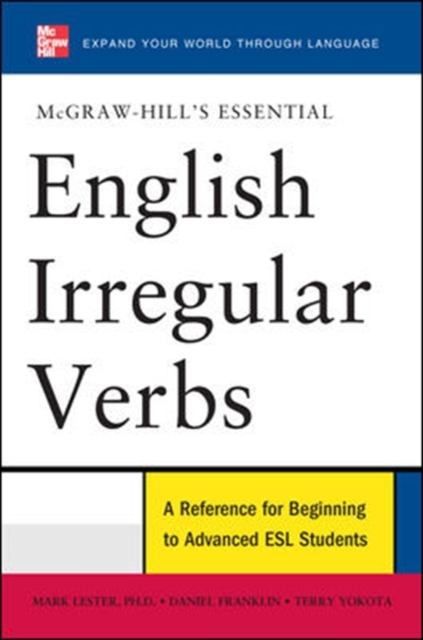
Master 188 irregular verbs in EnglishAs an experienced student of English, you know the language can be a tricky one to learn thanks to its complex verb forms, like irregular verbs.
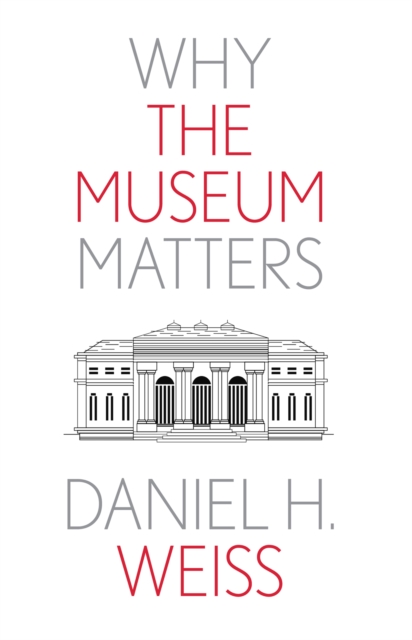
A powerful reflection on the universal art museum, considering the values critical to its history and anticipating its evolving place in our cultural future Art museums have played a vital role in our culture, drawing on Enlightenment ideals in shaping ideas, advancing learning, fostering community, and providing spaces of beauty and permanence.
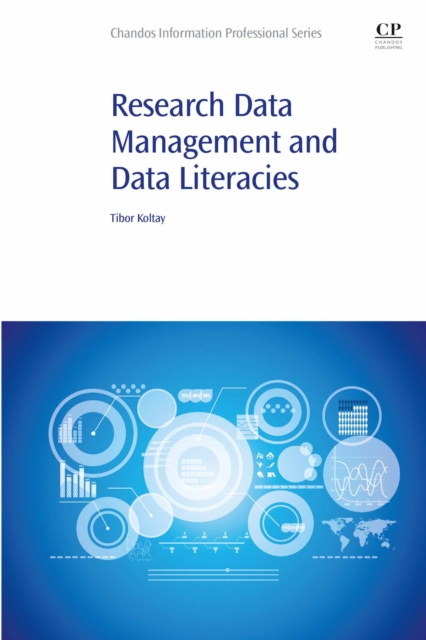
Research Data Management and Data Literacies help researchers familiarize themselves with RDM, and with the services increasingly offered by libraries.
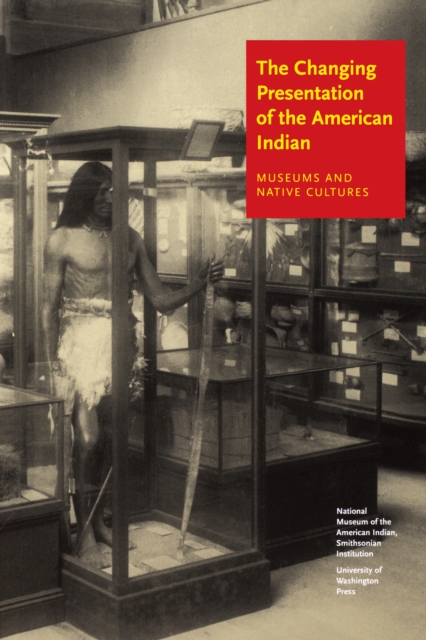
Museums--along with books, newspapers, and Wild West shows in the 19th century, movies and television in the 20th--have shaped our perceptions of American Indians.
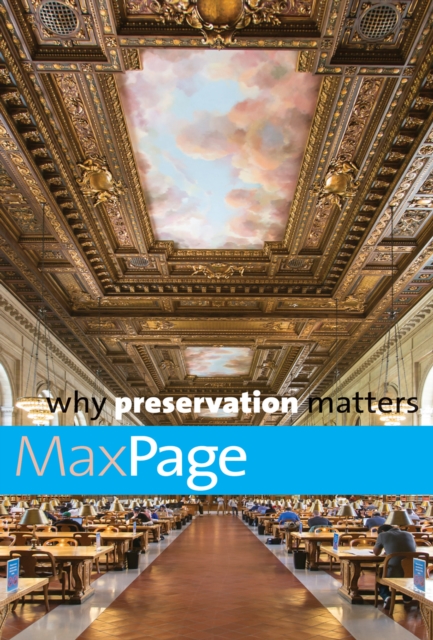
Commemorating the fiftieth anniversary of the National Historic Preservation Act, a critique of the preservation movement—and a bold vision for its future Every day, millions of people enter old buildings, pass monuments, and gaze at landscapes unaware that these acts are possible only thanks to the preservation movement.
This book collects contributions which showcase the impact of new augmented reality (AR) and artificial intelligence (AI) technologies considered jointly in the fields of cultural heritage and innovative design.
From statistical databases to story archives, from fan sites to the real-time reactions of Twitter-empowered athletes, the digital communication revolution has changed the way sports fans relate to their favorite teams.
This book discusses in detail a series of examples drawn from scholarly projects that use the OCHRE database platform (Online Cultural and Historical Research Environment).
Since the late 1970s human remains in museum collections have been subject to claims and controversies, such as demands for repatriation by indigenous groups who suffered under colonization.
This collection brings together the work of a range of scholars from around the world with different perspectives on one simple question: How can we assess the value of various entertainment products and forms?
This landmark volume is the first to bring together leading scholarship on children's and young adult literature from three intersecting disciplines: Education, English, and Library and Information Science.
The emergence of digital technologies in the realm of archives has enlivened our understandings of archival materialities and lent a new intensity to our engagements with the archived page by prompting us to consider the potential of paper and the page in ways that we have hitherto largely ignored.
The importance of the library, from ancient times to the digital eraFrom Greek and Roman times to the digital era, the library has remained central to knowledge, scholarship, and the imagination.
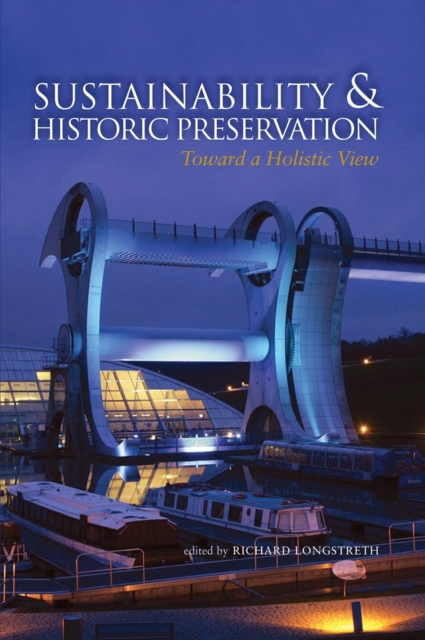
Sustainability and Historic Preservation: Towards a Holistic View broadens the horizons of the mushrooming drive to correlate the objectives of these two spheres.
This landmark work traces the heritage of thought, from the beginnings of modern science in the seventeenth century, until today, that has influenced the profession of library and information science.
Comparative studies in information and library science published in the past ten years have reflected a broad spectrum of backgrounds, interests, and issues.
Society does not make it easy for young people, regardless of their sexual orientation, to find accurate, nonjudgmental information about homosexuality.
With tightened library budgets the norm, librarians run the risk of cutting back so much that they isolate themselves from their patrons and their communities.
Covering trends, issues and case studies, this collection presents 34 new essays by library professionals actively engaged in helping patrons with genealogy research across the United States.
With the legalization of same-sex marriage and the explosion of LGBTQ news coverage in recent years, gender studies is a subject of intense interest in popular media and a part of the curriculum at many colleges.
The boundaries of citizenship have been blurred by global information systems--while the public and private spheres have been reshaped through globalization (and colonialism and capitalism).