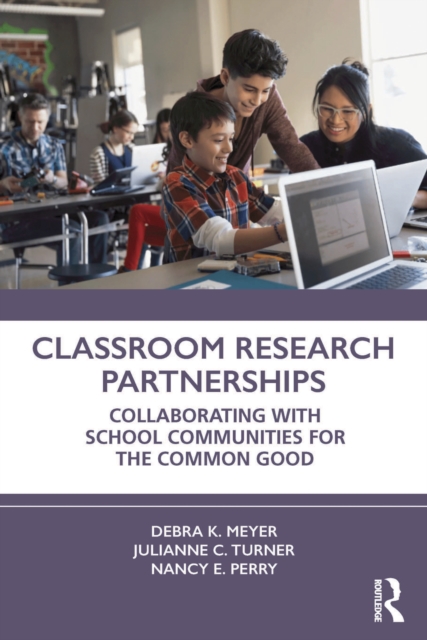
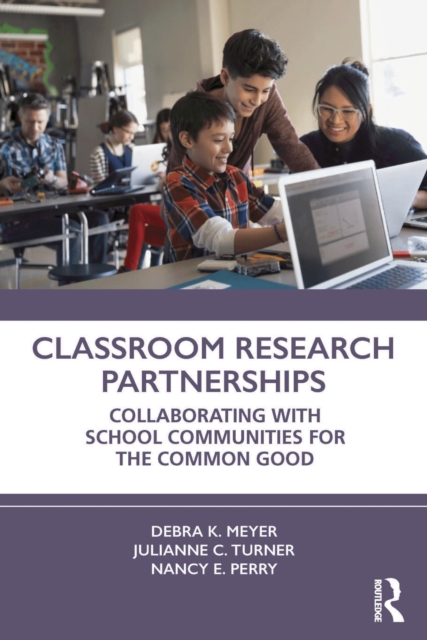
Classroom Research Partnerships guides academic researchers through the conceptualization, implementation, and dissemination of studies based in school communities.
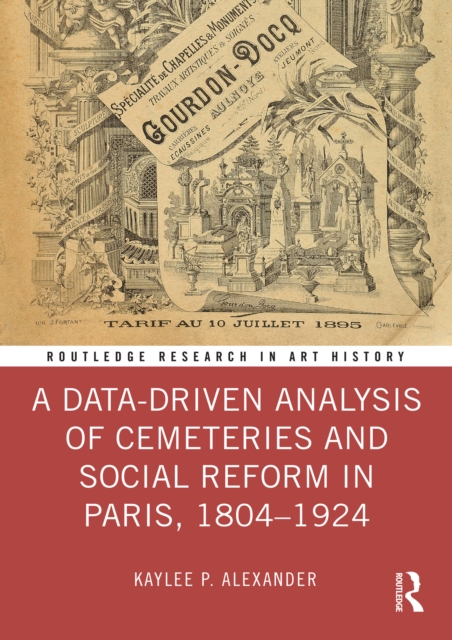
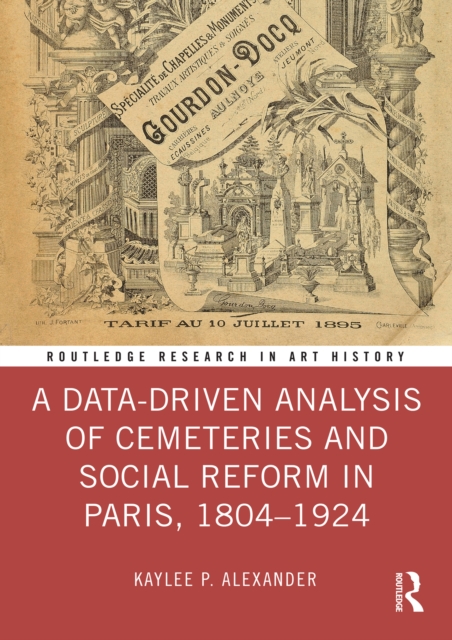
This book takes a novel, data-driven approach to the cemeteries of Paris, analyzing a largely text-based body of archival material as proxy evidence for visual material that has been lost due to systematic, and legally sanctioned, acts of erasure.
Using examples from Indigenous community oral history projects throughout Canada and the United States, this new edition is informed by best practices to show how oral history can be done in different contexts.
Using the investigation of criminal culture as an example application, this edited volume presents a novel approach to agent-based simulation: interpretive agent-based social simulation as a methodological and transdisciplinary approach to examining the potential of qualitative data and methods for agent-based modelling (ABM).
A Practical Guide to Post-Occupancy Evaluation offers high-level pragmatic guidance and case study examples on how to conduct a Post-Occupancy Evaluation (POE) to determine whether a workplace project is successful and uncover the lessons learned for future projects.
Exploring gender through the lens of field theory, Gender Fields proposes a new framework for understanding the social organisation of gender identity.
The Routledge Companion to Literary Media examines the fast-moving present and future of a media ecosystem in which the literary continues to play a vital role.
When speaking colloquially of political participation or civic action, one thinks, in the first instance, of groups and organizations such as political parties, social movements or various types of voluntary associations.
The Routledge Companion to Literary Media examines the fast-moving present and future of a media ecosystem in which the literary continues to play a vital role.
'WAYB remains an indispensable companion for anyone seriously committed to the profession of author, whether full-time or part-time; and as always it is particularly valued by those who are setting out hopefully on that vocational path.
When speaking colloquially of political participation or civic action, one thinks, in the first instance, of groups and organizations such as political parties, social movements or various types of voluntary associations.
The Disputed Freedoms of a Disrupted Press explores the origins, connections, and contradictions evident amongst divergent understandings of press freedom around the world.
The Disputed Freedoms of a Disrupted Press explores the origins, connections, and contradictions evident amongst divergent understandings of press freedom around the world.
Offering a broad overview of consequential changes in the landscape of reference services, this guide also provides practical guidance on how to meet the new challenges they present.
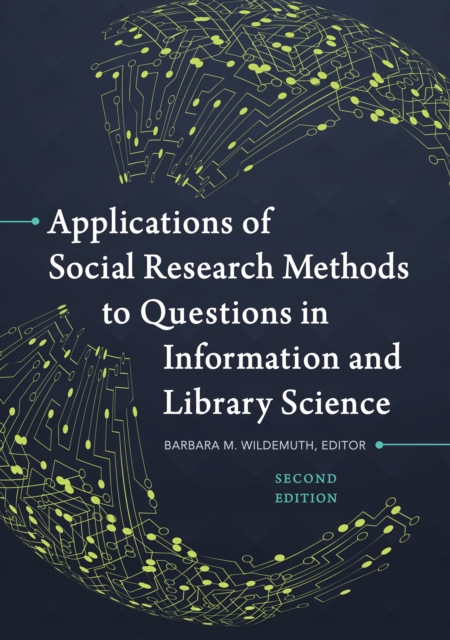
The second edition of this innovative textbook illustrates research methods for library and information science, describing the most appropriate approaches to a question-and showing you what makes research successful.
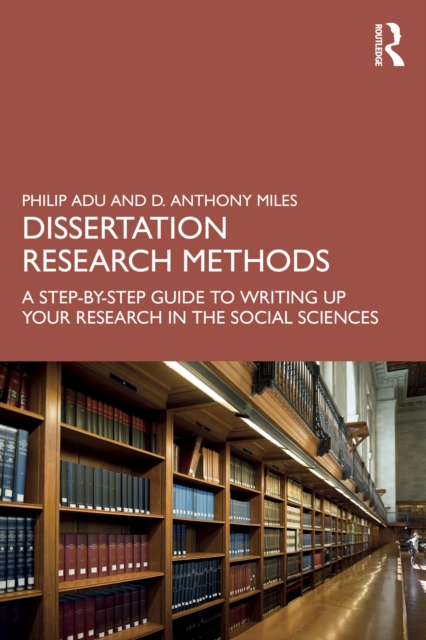
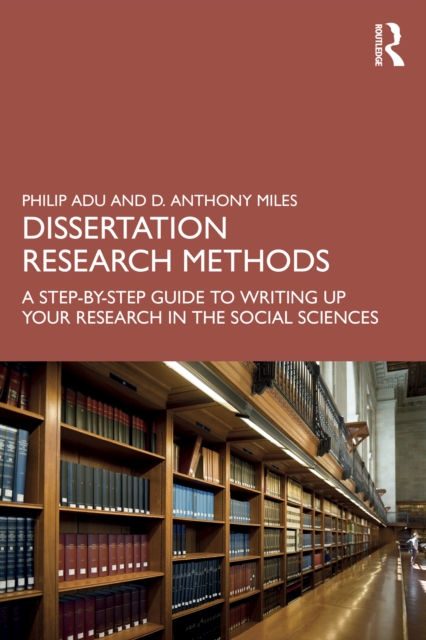
Dissertation Research Methods: A Step-by-Step Guide to Writing Up Your Research in the Social Sciences focuses specifically on the methodology for planning, writing and submitting your dissertation thesis.
Dissertation Research Methods: A Step-by-Step Guide to Writing Up Your Research in the Social Sciences focuses specifically on the methodology for planning, writing and submitting your dissertation thesis.
This book takes a novel, data-driven approach to the cemeteries of Paris, analyzing a largely text-based body of archival material as proxy evidence for visual material that has been lost due to systematic, and legally sanctioned, acts of erasure.
Classroom Research Partnerships guides academic researchers through the conceptualization, implementation, and dissemination of studies based in school communities.
This volume brings together accounts from facilitating or 'brokering' researchers in three settings afflicted by armed conflict, including DR Congo, Sierra Leone and Jharkhand, India.
After arriving in London just before the Second World War as a penniless and friendless Austrian-Jewish refugee, George Weidenfeld went on to transform not only the world of publishing but the culture of ideas.
Originally published in 1988, this collection of essays was the first attempt by population scientists to incorporate some of the methods and materials of anthropologists into their work.
Originally published in 1974, this book evaluates and compares three important styles of sociological research: positivism, symbolic interactionism and critique.
Creativity and Sociology: Doing Social Research with and on Artistic Sources explores the relationship between artistic and sociological narratives, considering the ways in which artistic narratives in their different forms can be both subjects of sociological observation and tools for the sociological analysis of reality.
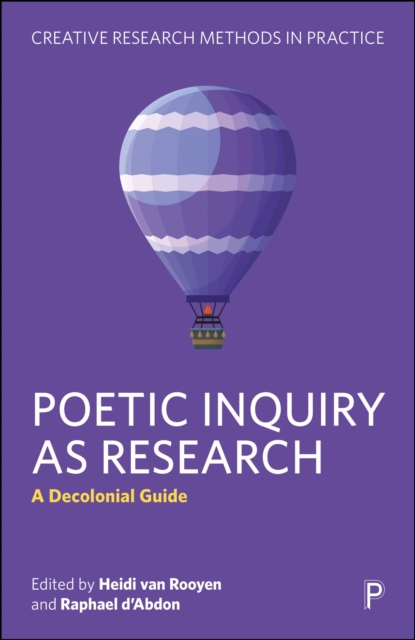
Poetic inquiry is an arts-based approach integrating the humanities and sciences to enhance the quality of social science research and its dissemination.
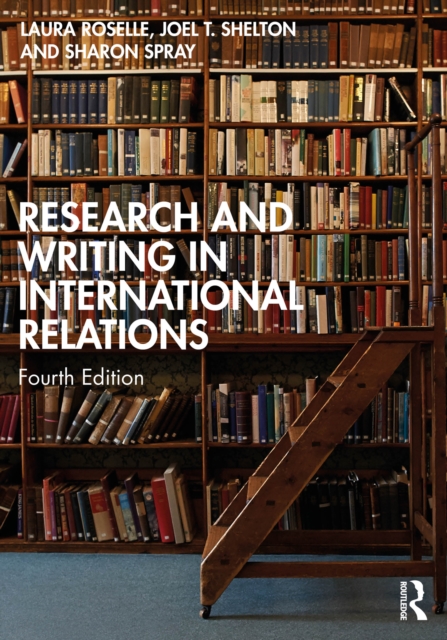
Research and Writing in International Relations, Fourth Edition, offers the step-by-step guidance and the essential resources needed to compose political science papers that go beyond description and into systematic and sophisticated inquiry.
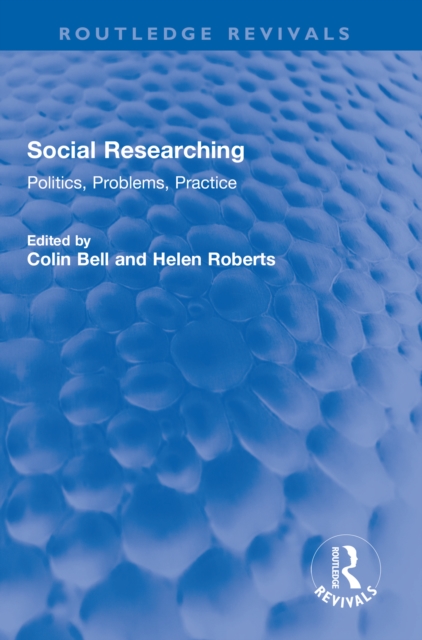
Social Researching (1984) examine the 'stories' about 'real' research in social sciences and its problems, and discusses funding, publication, the history of major projects, postgraduate work and issues raised by feminists doing research, as well as the practical, ethical and political difficulties.