This book explores the multicultural and non-Western contexts behind the approaches, problems, and issues that arise in research methodologies when used in relation to educational administration and leadership.
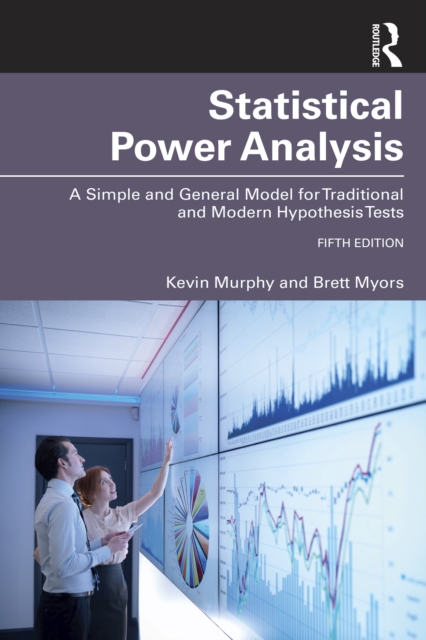
Statistical Power Analysis explains the key concepts in statistical power analysis and illustrates their application in both tests of traditional null hypotheses (that treatments or interventions have no effect in the population) and in tests of the minimum-effect hypotheses (that the population effects of treatments or interventions are so small that they can be safely treated as unimportant).
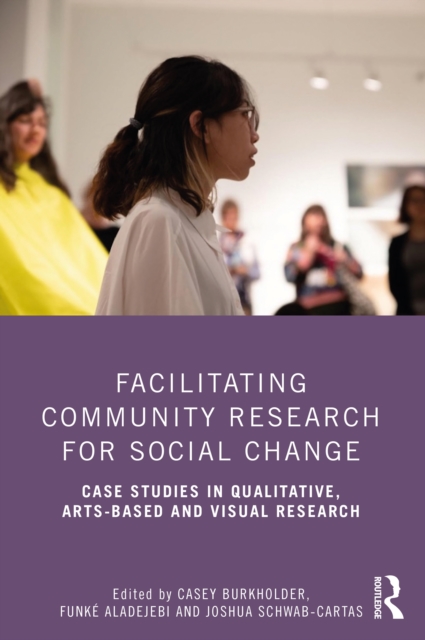
Facilitating Community Research for Social Change asks: what does ethical research facilitation look like in projects that seek to move toward social change?
Researching Creativity in Second Language Acquisition explains the links between creativity and second language learning and how to propel the research of creativity as an individual difference in second language acquisition forward at multiple levels.
Eight Domains of Phenomenology and Research Methods is a unique text that explains how the foundational literature representing our lifeworld experience aligns theory with research methods.
Researching Creativity in Second Language Acquisition explains the links between creativity and second language learning and how to propel the research of creativity as an individual difference in second language acquisition forward at multiple levels.
Facilitating Community Research for Social Change asks: what does ethical research facilitation look like in projects that seek to move toward social change?
This book explores the multicultural and non-Western contexts behind the approaches, problems, and issues that arise in research methodologies when used in relation to educational administration and leadership.
Eight Domains of Phenomenology and Research Methods is a unique text that explains how the foundational literature representing our lifeworld experience aligns theory with research methods.
Drawing from an interdisciplinary body of research and data, Women of Piracy employs a criminological lens to explore how women have been involved in, and impacted by, maritime piracy operations from the 16th century to present day piracy off the coast of Somalia.
Statistical Power Analysis explains the key concepts in statistical power analysis and illustrates their application in both tests of traditional null hypotheses (that treatments or interventions have no effect in the population) and in tests of the minimum-effect hypotheses (that the population effects of treatments or interventions are so small that they can be safely treated as unimportant).
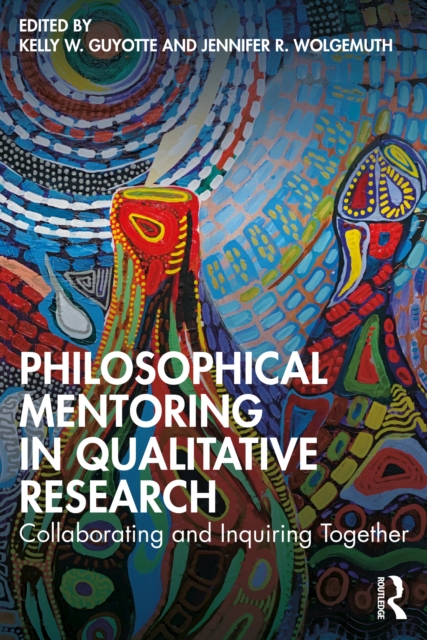
With contributions from advanced, early career, and emerging qualitative scholars, Philosophical Mentoring in Qualitative Research illuminates how qualitative research mentoring practices, relationships, and possibilities of inquiry and teaching come to life under different mentoring philosophies.
Bridging international relations, comparative politics, and cognitive psychology, this book explores how elites shape the popular legitimacy of international organizations.
Imagination and Arts-Based Practices for Integration in Research explores the philosophical assumptions, defining concepts, and methodological issues related to the introduction of intentional imaginative mental processes and arts-based practices into some or all phases of investigation, and data integration of particular research approaches.
Imagination and Arts-Based Practices for Integration in Research explores the philosophical assumptions, defining concepts, and methodological issues related to the introduction of intentional imaginative mental processes and arts-based practices into some or all phases of investigation, and data integration of particular research approaches.
Psychological Statistics: The Basics walks the reader through the core logic of statistical inference and provides a solid grounding in the techniques necessary to understand modern statistical methods in the psychological and behavioral sciences.
Psychological Statistics: The Basics walks the reader through the core logic of statistical inference and provides a solid grounding in the techniques necessary to understand modern statistical methods in the psychological and behavioral sciences.
With contributions from advanced, early career, and emerging qualitative scholars, Philosophical Mentoring in Qualitative Research illuminates how qualitative research mentoring practices, relationships, and possibilities of inquiry and teaching come to life under different mentoring philosophies.
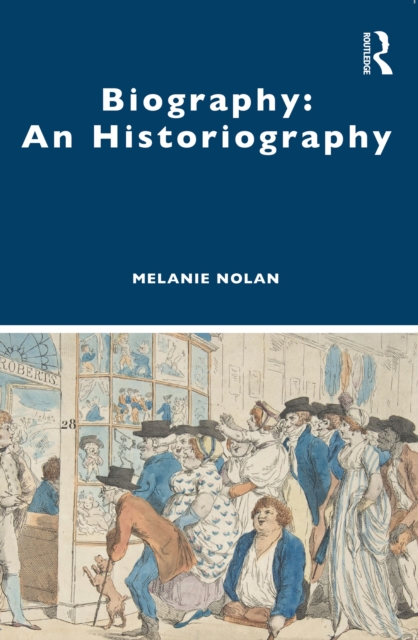
Biography: An Historiography examines how Western historians have used biography from the nineteenth century to the present - considering the problems and challenges that historians have faced in their biographical practice systematically.
Biography: An Historiography examines how Western historians have used biography from the nineteenth century to the present - considering the problems and challenges that historians have faced in their biographical practice systematically.
This book puts CGTN (formerly CCTV-News) and the BBC's international television news head-to-head, interrogating competing 'truths' in the exacting business of news reporting.
This book puts CGTN (formerly CCTV-News) and the BBC's international television news head-to-head, interrogating competing 'truths' in the exacting business of news reporting.
Drawing on original and innovative contributions from educators, practitioners and students, Challenges and New Directions in Journalism Education captures and informs our understanding of journalism pedagogy in the context of ongoing shifts in journalism practice.
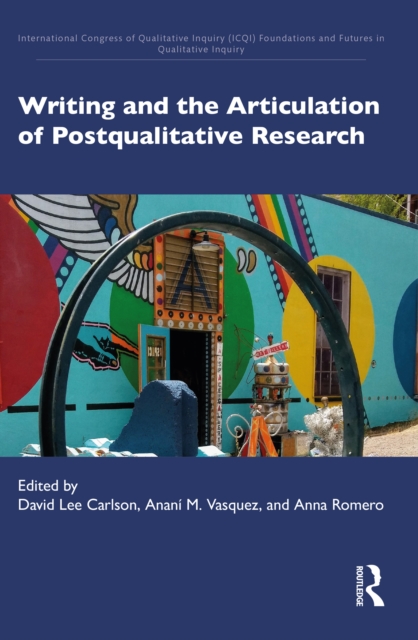
Writing and the Articulation of Postqualitative Research is a collection of experimental essays on the implications of articulating or performing qualitative research from postqualitative philosophies.
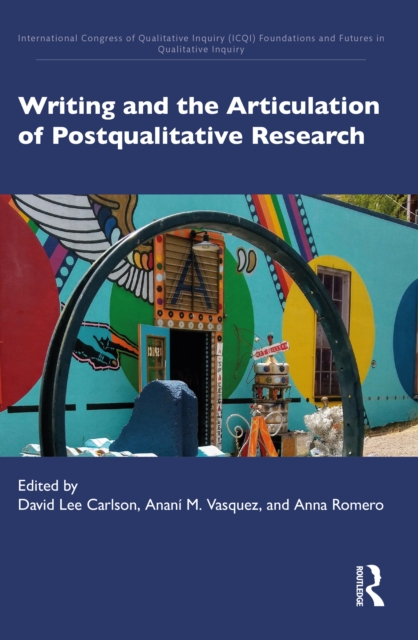
Writing and the Articulation of Postqualitative Research is a collection of experimental essays on the implications of articulating or performing qualitative research from postqualitative philosophies.
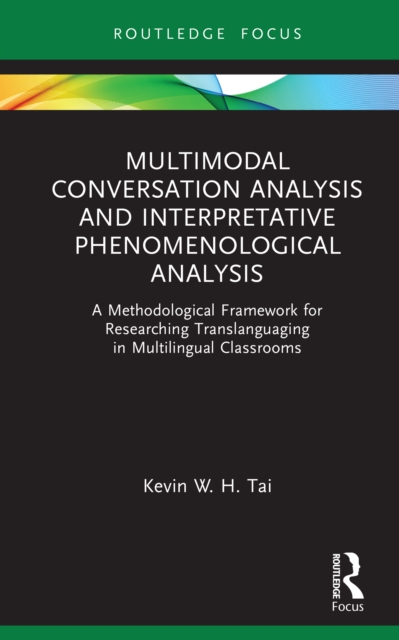
This book presents the methodological framework of combining Multimodal Conversation Analysis (MCA) with Interpretative Phenomenological Analysis (IPA) to interpretively analyse translanguaging practices in educational contexts.
This comprehensive, forward-looking text is the first holistic research overview and practical methods guide for researching the role that affective and conative factors play in second language learners' task performance and language acquisition.