Seit mehr als drei Jahren wird die Menschheit weltweit durch politische Maßnahmen, vornehmlich in den Industriestaaten in Angst und Schrecken versetzt.
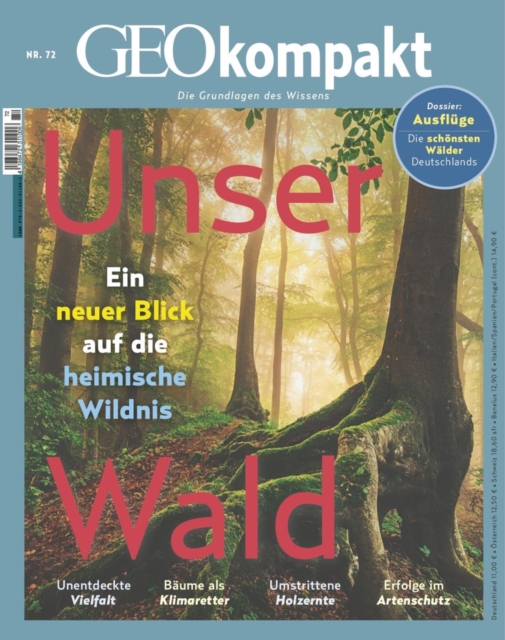
Liebe Leserin, lieber Leser, wenn es um den deutschen Wald geht, erreicht uns eine Hiobsbotschaft nach der nächsten: Die Kiefern brennen, die Fichten sterben, die Baumkronen lichten sich, die Böden sind kaputt.
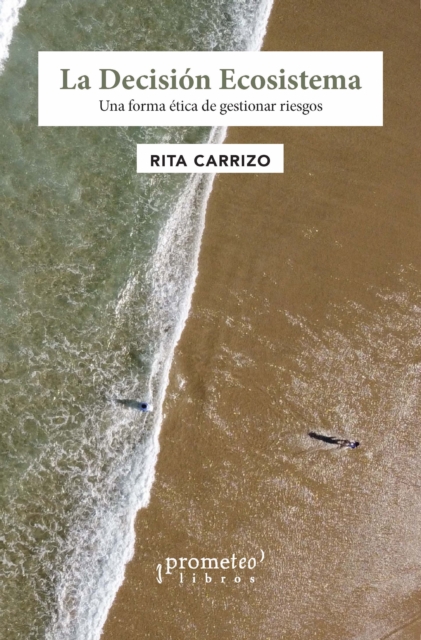
"El cerebro es neutral, no hace distinciones del tipo ético o no ético, simplemente busca aprender y optimizar todo aquello que se le muestra como habitual".
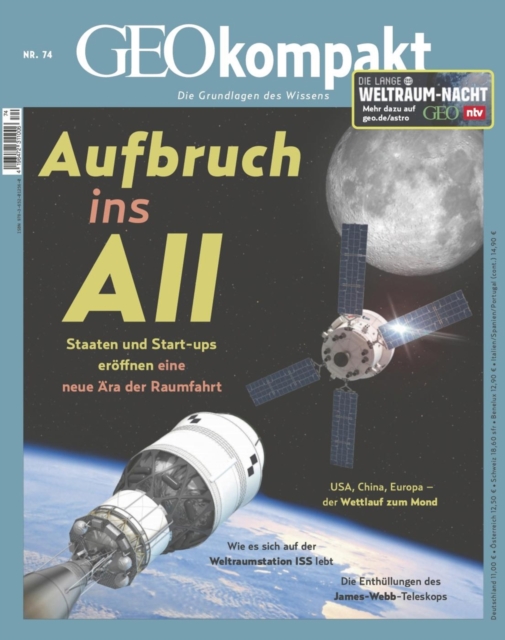
Liebe Leserin, lieber Leser, kurz nach der Jahrtausendwende schien die Raumfahrt an ein Ende zu kommen, wirkte ausgebrannt, ohne Ideen, ohne Geld, ohne Mut.
Este volumen colectivo se enmarca en el campo glotopolítico, que indaga tanto en la dimensión semiótica de los procesos políticos como en la dimensión política de las intervenciones en el espacio del lenguaje.
Reflexiones de una persona libre para una sociedad libre desarrolla el tema de la libertad con dedicada profundidad, tanto en lo que respecta a su naturaleza esencial como en la forma de conseguirla.
'A heart-warming tale about resilience, friendships and family, and the inestimable power of the written word' RUTH HOGAN'A heart-warming depiction of strong female friendships tested by suffering - Annie Lyons really is the queen of the wartime saga' CLARE CHAMBERSCan two young women and one book change the course of war?
Cada proyecto de investigación, sea colectivo o individual, sigue una estructura en la que debe precisarse el método o la metodología que se utilizará para trabajar un tema determinado.
This interdisciplinary collection of primary and secondary readings encourages scholars and students to engage critically with current debates about the origins, implementation and postwar interpretation of the Holocaust.
Creative Industries is a daring collection of essays that charts the noisy revolution that is transforming the production, consumption, and understanding of culture in the all-wired era.
The Anthropology of Development and Globalization is a collection of readings that provides an unprecedented overview of this field that ranges from the field s classical origins to today s debates about the magic of the free market.
Clearing up the confusion about religion, re-visioning the core elements of spiritual traditions, and transcending the fault line of secular-versus-religious.
Im Rahmen dieses Buches soll der Begriff des Wissens folgendermaßen definiert sein: Eine Person hat Wissen über das Vorliegen eines bestimmten Sachverhalts, wenn sie die wahre und epistemisch gerechtfertigte Überzeugung hat, dass dieser Sachverhalt tatsächlich vorliegt.
Devastating and compellingDAILY MAILPoignant TIMES LITERARY SUPPLEMENT____________________________________________________________________________________________ The extraordinary story of Bep Voskuijl, Anne Frank's closest friend during the 761 days she spent in the Secret Annex.
'Ambitious, wide-ranging and learned' Times Literary Supplement 'Vivid and extraordinary' Wall Street JournalFrom Boudicca to Ukraine, battlefields have always contained a surprising number of female fighters.
Nel contesto dell'attuale crisi globale dello sviluppo e della convivenza umana, la transdisciplinarità (TD) può offrire un contributo decisivo al destino comune dell'umanità, abbandonando il cammino della distruzione violenta e intraprendendo quello della civiltà sostenibile dei cittadini dalla Terra.
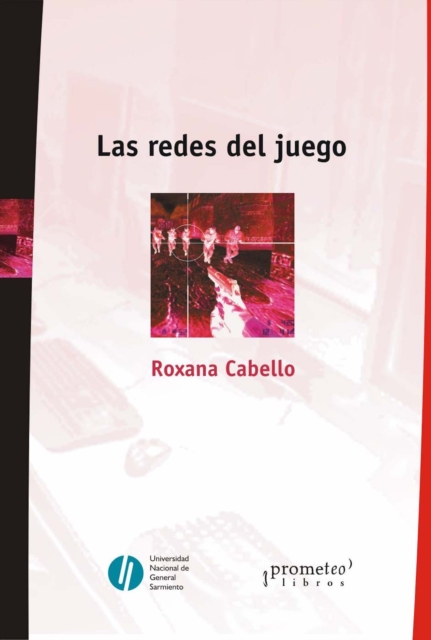
Este libro invita a recorrer un territorio que muchas veces resulta extraño para la mayoría de las personas y sobre el cual se pintan imágenes y se tejen historias que no siempre se ajustan a las escenas y actuaciones que allí se producen: el ciber.