Unterrichtsentwurf aus dem Jahr 2023 im Fachbereich Padagogik - Berufsbildung, Weiterbildung, , Sprache: Deutsch, Abstract: Die Studierenden setzen sich kritisch im Rahmen einer Elternratssitzung mit zwei digitalen, padagogisch-konzeptionellen Aufklarungsprodukten fur Eltern in Form einer klassischen Schiebeanimation sowie einer Website unter Zuhilfenahme eines kriteriengeleiteten Bewertungskataloges auseinander und uberprufen diese mehrperspektivisch.
Masterarbeit aus dem Jahr 2022 im Fachbereich Pädagogik - Berufsbildung, Weiterbildung, Note: Sehr Gut, Pädagogische Hochschule Oberösterreich (Berufspädagogik), Sprache: Deutsch, Abstract: Diese Arbeit untersucht die Integration und Professionalisierung von ERASMUS+ Praktika in der Lehrlingsausbildung an der Berufsschule Freistadt, mit einem Schwerpunkt auf dem Baugewerbe und der Bauindustrie.
Masterarbeit aus dem Jahr 2023 im Fachbereich Pädagogik - Familienerziehung, Note: 1,3, Technische Universität Dortmund, Sprache: Deutsch, Abstract: Die vorliegende Masterarbeit widmet sich dem Thema "Chancen und Herausforderungen des personenzentrierten Ansatzes nach Rogers in Erziehungsberatungen".
Academic Paper from the year 2023 in the subject Pedagogy - Family Education, grade: A+, The University of Liverpool (Faculty of Social Sciences), course: Project Management, language: English, abstract: This thesis, "e;How Mastering Project Management Skills Can Be Essential in Parenthood,"e; offers invaluable insights for both current and future parents.
Studienarbeit aus dem Jahr 2023 im Fachbereich Pädagogik - Berufsbildung, Weiterbildung, Note: 1,3, Carl von Ossietzky Universität Oldenburg (Berufs- und Wirtschaftspädagogik), Veranstaltung: Profession, Professionalität und Professionalisierung des betrieblichen Ausbildungspersonals, Sprache: Deutsch, Abstract: Ziel dieser Seminararbeit ist es zu untersuchen, welche Anforderungen die digitale Transformation an das betriebliche Ausbilderhandeln stellt und wie diese vor dem Hintergrund der gegenwärtigen Ausbilder:innen zu bewerten sind.
Scientific Study from the year 2024 in the subject Pedagogy - School System, Educational and School Politics, , language: English, abstract: This book sets out to explore the transformative potential of innovationology in redefining the purpose and practice of education.
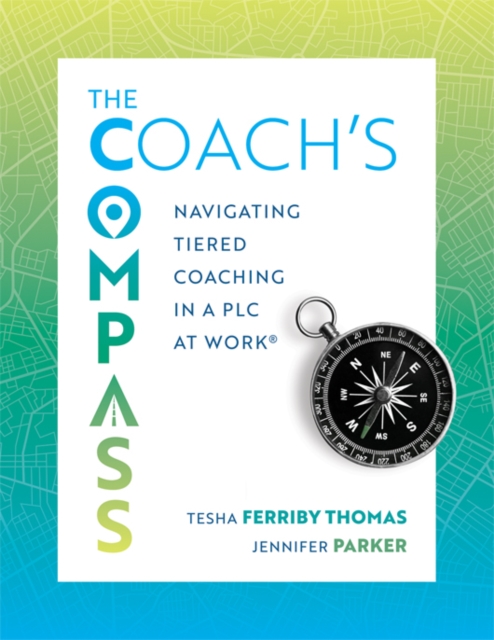
The Coach's Compass model, from authors Tesha Ferriby Thomas and Jennifer Parker, presents instructional coaching as a collaborative journey toward a shared destination.
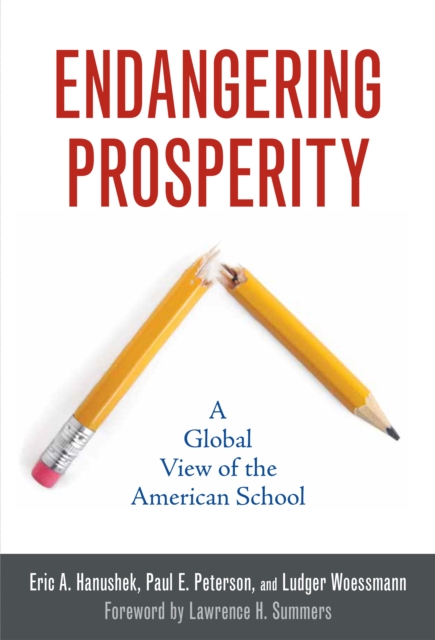
This book offers a novel and up-to-date exploration of the common belief that increasing conventional school resources will increase academic achievement and help close gaps between various advantaged and disadvantaged students.
This book offers a novel and up-to-date exploration of the common belief that increasing conventional school resources will increase academic achievement and help close gaps between various advantaged and disadvantaged students.
This timely book explores how today's universities navigate a rapidly changing world shaped by globalisation, digital transformation and shifting student expectations.
The Coach's Compass model, from authors Tesha Ferriby Thomas and Jennifer Parker, presents instructional coaching as a collaborative journey toward a shared destination.
Interest in collective skill formation systems has been high for a long time, but recent structural economic and societal developments have led commentators to question their viability.
Interest in collective skill formation systems has been high for a long time, but recent structural economic and societal developments have led commentators to question their viability.
The first intensive, close-up investigation of the practice and teaching of religion at American colleges and universities, Religion on Campus is an indispensable resource for all who want to understand what religion really means to todays undergraduates.
Masterarbeit aus dem Jahr 2024 im Fachbereich Pädagogik - Berufsbildung, Weiterbildung, Note: 1, Pädagogische Hochschule Oberösterreich (Bildungswissenschaften), Sprache: Deutsch, Abstract: Diese Arbeit begleitete Betriebserkundungen an allgemeinbildenden höheren Schulen im Rahmen des Projektes „Werken in der Industrie“.
Doctoral Thesis / Dissertation from the year 2013 in the subject Pedagogy - School System, Educational and School Politics, grade: Excellent, Addis Ababa University (College of Education and Behavioral Science), course: Education Policy and Leadership, language: English, abstract: The main purpose of this paper was to explore university-industry partnership practices in Ethiopia and examine challenges since the practice began in the country.
Studienarbeit aus dem Jahr 2021 im Fachbereich Pädagogik - Berufsbildung, Weiterbildung, Note: 1, Leuphana Universität Lüneburg, Sprache: Deutsch, Abstract: Der technologische und soziale Wandel haben das Verständnis darüber, wo und wann Lernen stattfindet, grundlegend verändert.