In diesem Praxisband vermittelt der Autor Grundlagen und Handlungskonzepte, mit denen Weiterbildungseinrichtungen den anstehenden Generationswechsel auf der Leitungsebene konstruktiv und zukunftsweisend gestalten können.
Schon die wichtigsten Zahlen sprechen eine deutliche Sprache: Russland hat unter den BRICS-Ländern das mit Abstand höchste Pro-Kopf-Bruttoinlandsprodukt, und die Zahl der Bildungsausländer aus Russland an deutschen Hochschulen ist seit 1999 rasant angestiegen, auf mittlerweile über 10.
In der Publikationsreihe "In Bewegung" beschäftigt sich die Autostadt GmbH, die Kommunikationsplattform der Volkswagen AG, gemeinsam mit verschiedenen Herausgebern mit dem Thema Mobilität.
Insbesondere Jugendlichen und jungen Erwachsenen seriösen Zugang zu einem komplexen Themenbereich ermöglichen, der für jeden Einzelnen und für die Gesellschaft als ganze immer relevanter und dringlicher wird.
Giving your employees goals, motivating them, providing feedback, and supporting them, whilst also remaining aware of all the conventional tasks of leadership, is of course correct and good - but it is not excellent.
Mit dem Paradigmenwechsel im Verständnis von Rehabilitation, weg von der rein defizitorientierten, medizinischen Sichtweise hin zur selbstbestimmten Teilhabe am Leben in der Gesellschaft, der mit dem Inkrafttreten des SGB IX im Jahr 2001 in Deutschland, der Ratifizierung der UN-Behindertenrechtskonvention im Jahr 2009, der Weiterentwicklung des Behindertengleichstellungsrechts und der Verabschiedung des Bundesteilhabegesetztes im Jahr 2016 endgültig vollzogen wurde, haben sich die Anforderungen an die Strukturen und Prozesse derjenigen Institutionen verändert, die mit der Organisation, Durchführung und Finanzierung von Rehabilitation befasst sind.
Unter dem Titel "Forschendes Service Learning" werden zwei Lehrformate miteinander verknüpft, die das Forschende Lernen mit dem Lernen durch soziales Engagement vereinen.
Mit Beiträgen von Achim Albrecht, Peter Bal-nis, Ina Bielenberg, Michel Boltz, Karl-Heinz Burk, Marianne Demmer, Bernhard Eibeck, Klaus Flesch, Ulrich Geisler, Hannah de Graauw-Rusch, Frauke Gützkow, Manuela Heerdegen, Otto Herz, Christine Hesener, Kat-rin Höhmann, Heinz Günter Holtappels, Sarah Holze, Larissa Klinzing, Nicole Kummer, Uwe Lehmpfuhl, Hermann Pfeiffer, Hermann Ra-demacker, Petra Rechenbach, Ulrich Rother, Martina Schmerr, Irmtraud Schnell, Thomas Schnetzer, Hans-Georg Schönwälder, Vincent Steinl, Klaus-Jürgen Tillmann, Klaus-Jürgen Tolksdorf, Ingrid Wenzler, Dieter Wunder
Obwohl Fachdidaktiker/-innen sich inhaltlich mit Lehren und Lernen beschäftigen, existiert selbst in vielen Lehramtsfächern keine explizit ausformulierte, domänen- und disziplinspezifische Hochschuldidaktik.
Mentoring als reflexiver Erfahrungsraum und Instrument der Personalentwicklung kann Lehrpersonen im Berufseinstieg aber auch Studierende in den schulpraktischen Studien einen gelingenden Einstieg in die Profession ermöglichen.
Textmuster und Textsorten werden im Fach Deutsch aktuell vor allem in Verbindung mit standardisierten Prüfungen wie der schriftlichen Reifeprüfungen oder den Bildungsstandards diskutiert.
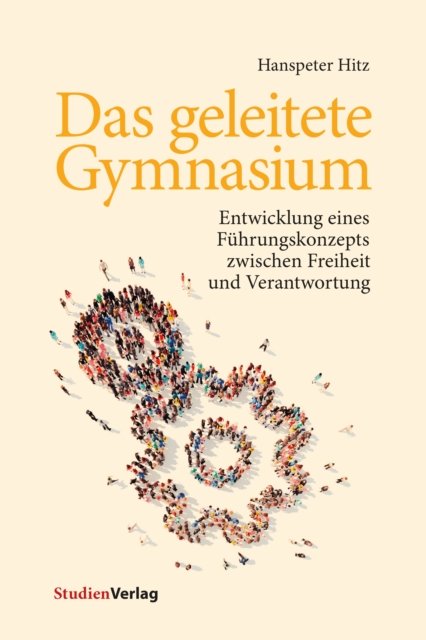
Im Schulalltag gilt es für zahlreiche Entscheidungen VERANTWORTUNG zu übernehmen - FÜHRUNG GIBT ORIENTIERUNG und ermöglicht durch Handlungsfreiräume EIGENVERANTWORTUNG, ENGAGEMENT UND EIN HOHES QUALITÄTSNIVEAU.
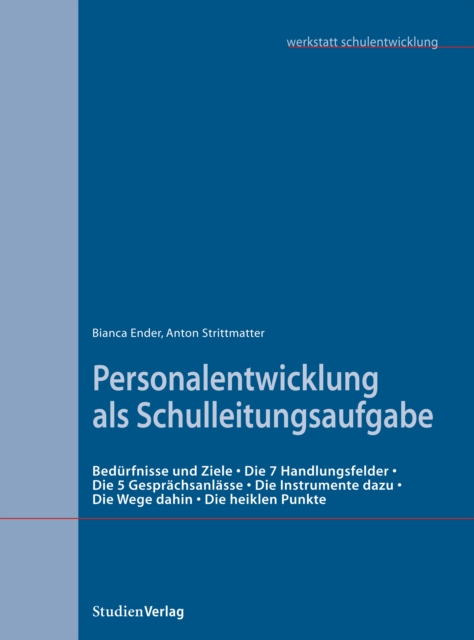
Knapp, übersichtlich und äußerst praxisorientiert widmen sich Bianca Ender und Anton Strittmatter der Frage, wie Personalentwicklung im Schulbereich vorangetrieben werden kann, welche Probleme sich stellen, und wie SchulleiterInnen ein professonelles Konzept der Personalentwicklung erarbeiten können.
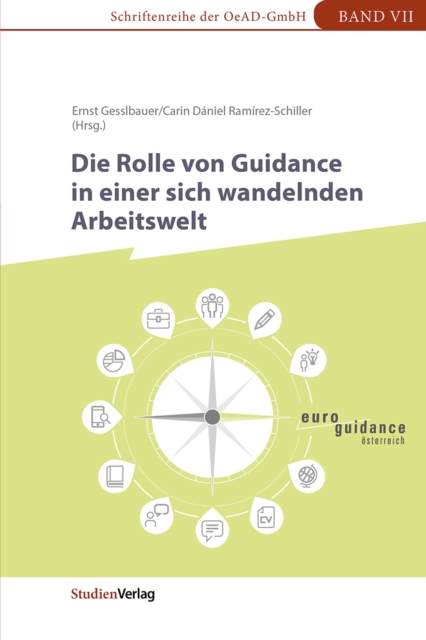
Unsichere Jobs, atypische Beschäftigungsverhältnisse, die Anerkennung von im Ausland erworbenen Qualifikationen sowie die schwierige Situation von älteren Personen, das sind nur einige der Herausforderungen der heutigen Arbeitswelt.
A revealing account of the entrenched inequities that harm our most vulnerable students and what colleges can do to help them excelWhen the twin pandemics of COVID-19 and racial unrest gripped the world, elite colleges scrambled to figure out what to do with the diversity they so fervently recruitedand disadvantaged students suffered.
Einigen Führungskräften gelingt es besonders gut, in schwierigen und komplexen Situationen professionell zu agieren, durchdachte Entscheidungen zu treffen, Probleme und Konflikte nachhaltig zu lösen, die demokratische und psychische Resilienz ihrer Mitarbeitenden zu stärken sowie Herausforderungen rechtzeitig zu erkennen und erfolgreich zu bewältigen.
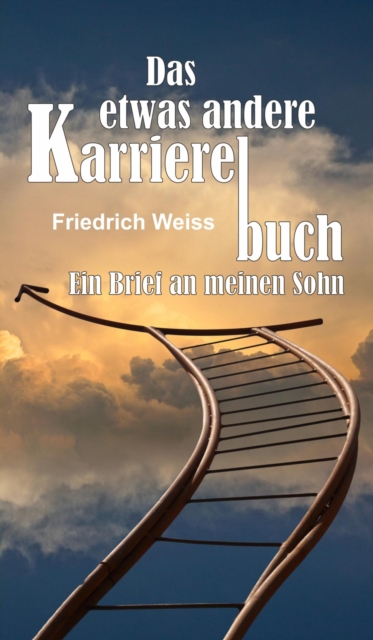
Als ich glaubte, eine lebensbedrohende Krankheit zu haben, verfasste ich einen sehr ausführlichen Brief an meinen noch kleinen Sohn, denn ich war überzeugt, mein Wissen nicht mehr persönlich an ihn weitergeben zu können.
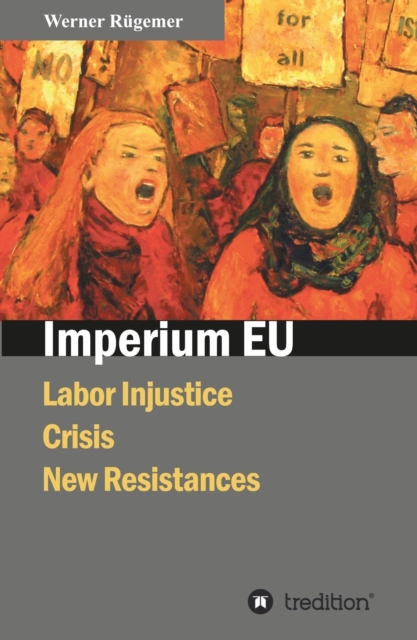
Since the end of World War II, the European Union has been a joint creation of the victorious USA and Western European corporations, banks and newly founded Christian, then also conservative, liberal and increasingly also social democratic parties.