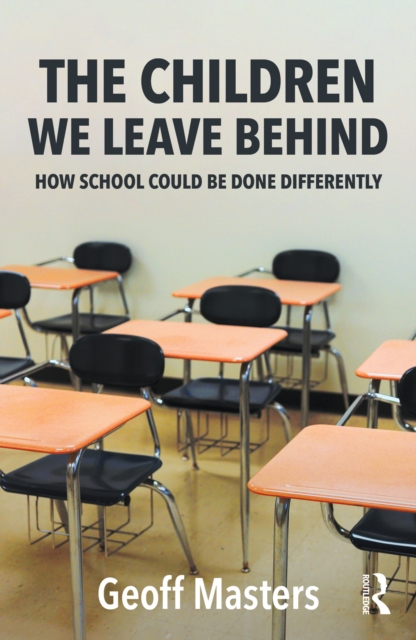
Differences in language skill affect educational attainment in a complex manner, far more complex than has been suggested by notions of linguistic deprivation and differences of socio-linguistic code.
At a time of unprecedented challenge in education, with a crisis in retention and staff wellbeing, the need for a new approach to school leadership could hardly be clearer.
Differences in language skill affect educational attainment in a complex manner, far more complex than has been suggested by notions of linguistic deprivation and differences of socio-linguistic code.
Literacy is the bedrock of culture, curriculum, and classroom practice - it is the key that unlocks learning and social mobility for pupils across all phases.
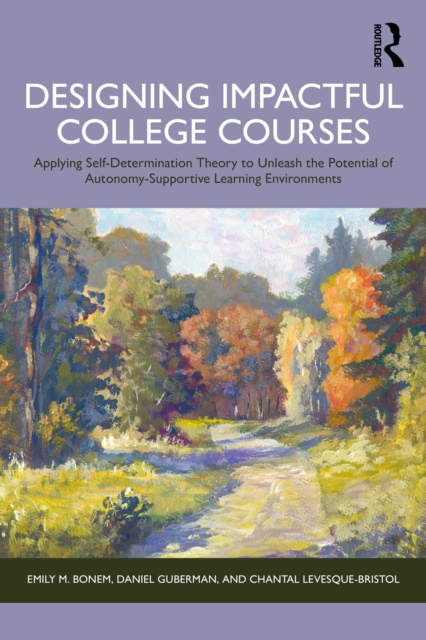
This how-to course design guide is rooted in Self-Determination Theory (SDT), equipping educators with the tools they need to create learning environments that fuel motivation and lead to a more engaging and productive teaching and learning experience.
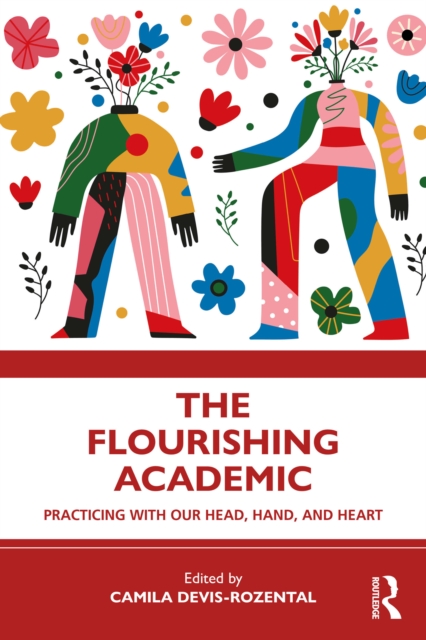
This essential collection is a transformative guide for academics at all career stages, offering practical strategies and research-driven insights to help them flourish in Higher Education.
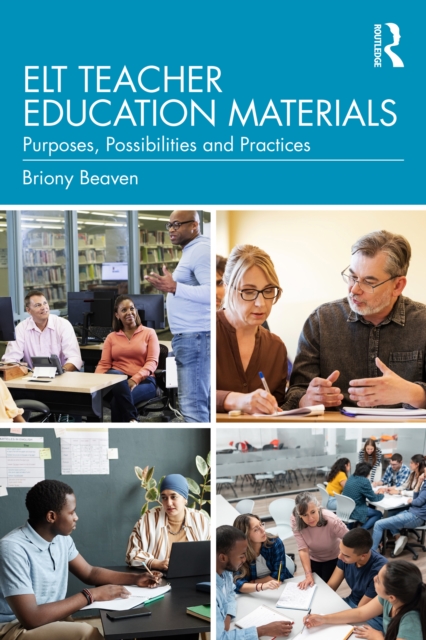
ELT Teacher Education Materials: Purposes, Possibilities and Practices explores appropriate goals and models for English Language Teaching (ELT) teacher education materials and establishes principles for their design.
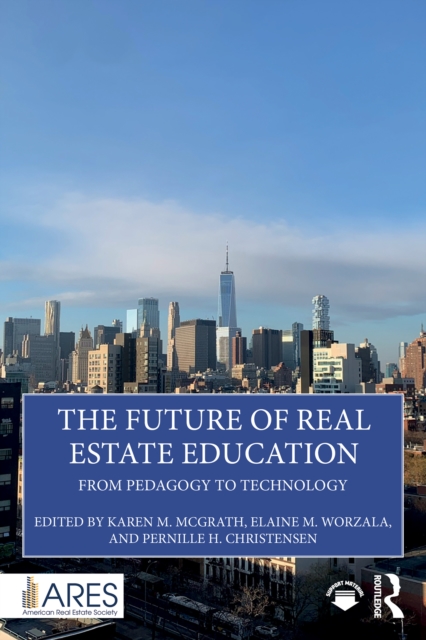
The Future of Real Estate Education: From Pedagogy to Technology brings together award-winning educators and researchers in the field to address the complexity and challenges of today's real estate degree programs.
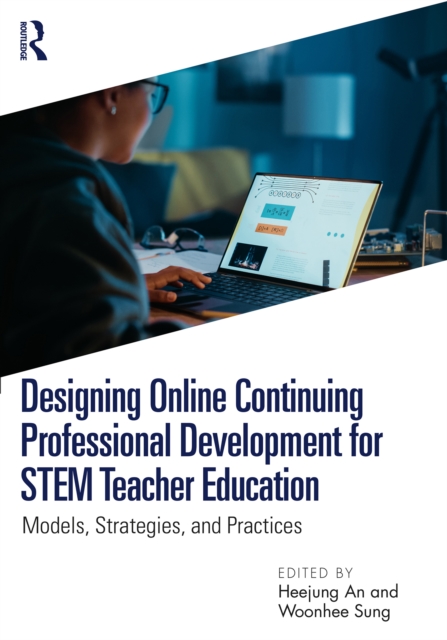
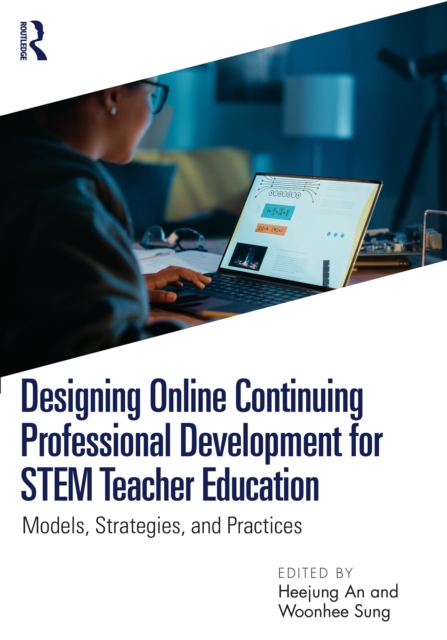
Bridging the realms of educational technology and teacher education, this book offers instructional design models, strategies, and tools for online delivery of continuing professional development (CPD) for science, technology, engineering, and mathematics (STEM) teachers.
ELT Teacher Education Materials: Purposes, Possibilities and Practices explores appropriate goals and models for English Language Teaching (ELT) teacher education materials and establishes principles for their design.
This book explores how ancient disability and its reception in Classics, Ancient Mediterranean Studies (AMS), and related disciplines are relevant to disabled people today.
This book demonstrates how tolerance and ethnocultural empathy can be taught in secondary school citizenship classrooms through the application of sociology and social psychology.
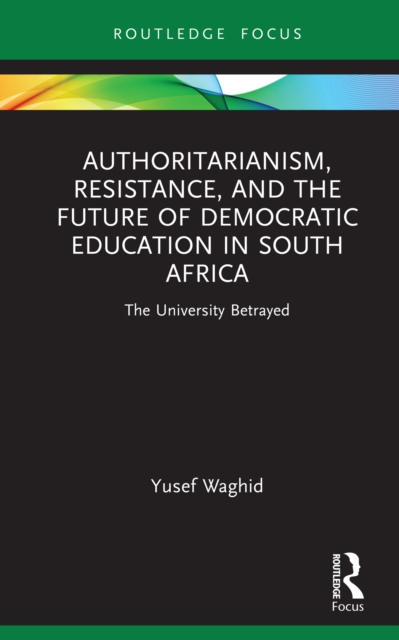
Through a fusion of autoethnography and critical theory, this bold, cutting-edge volume examines how South African universities, instead of fulfilling their post-apartheid promise of democratic transformation, have become sites of bureaucratic control, epistemic erasure, and neoliberal authoritarianism.
The Future of Real Estate Education: From Pedagogy to Technology brings together award-winning educators and researchers in the field to address the complexity and challenges of today's real estate degree programs.
This edited collection takes a structured and systematic approach to exploring the policymaking and policy impacts that shape private higher education (PHE) across the globe.
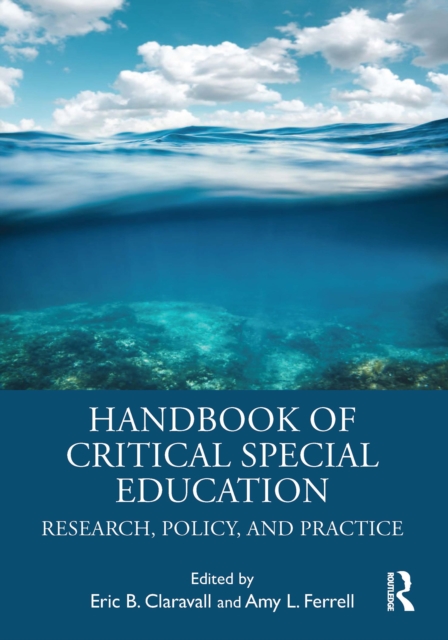
The Handbook of Critical Special Education proposes a transformative framework that reimagines special education as dialogic, relational, decolonial, and justice oriented.
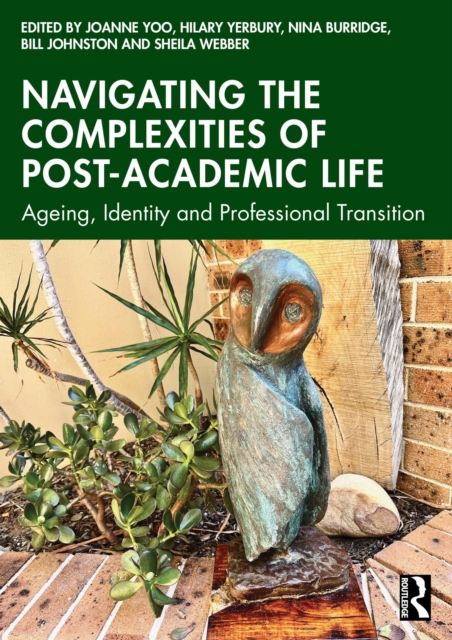
This thoughtful exploration examines the complex and multifaceted transition of retirement from academia, addressing fundamental questions of when and how to retire, and what retirement looks like.
Bridging the realms of educational technology and teacher education, this book offers instructional design models, strategies, and tools for online delivery of continuing professional development (CPD) for science, technology, engineering, and mathematics (STEM) teachers.
Through a fusion of autoethnography and critical theory, this bold, cutting-edge volume examines how South African universities, instead of fulfilling their post-apartheid promise of democratic transformation, have become sites of bureaucratic control, epistemic erasure, and neoliberal authoritarianism.
Identifying and customizing suitable control strategies is a challenging task, especially when production systems have to cope with variable demands, forecast error, and unstable processes.
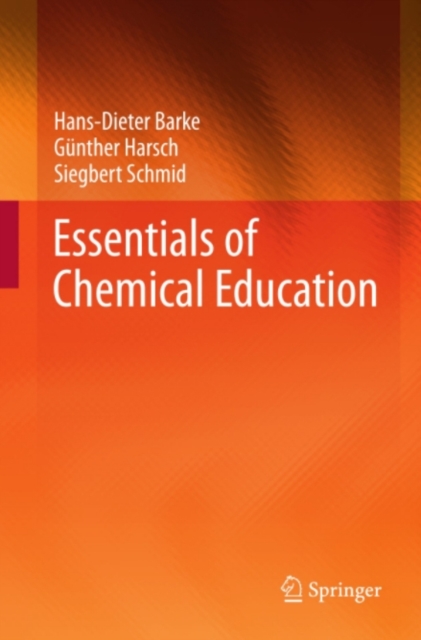
For everybody teaching chemistry or becoming a chemistry teacher, the authors provide a practice-oriented overview with numerous examples from current chemical education, including experiments, models and exercises as well as relevant results from research on learning and teaching.
This thoughtful exploration examines the complex and multifaceted transition of retirement from academia, addressing fundamental questions of when and how to retire, and what retirement looks like.