With the social, economic and political challenges alongside implications of the digital era and environmental sustainability in the 21st century, understanding how children feel about themselves, particularly within the complex web of their relationships with family members, peers, friends, practitioners, and professionals is of ultimate importance.
Now in its second edition, Introduction to Human Development and Family Science was the first text to introduce human development and family studies (HDFS) as inextricably linked areas of study.
Playwork in Practice introduces the ways that playwork can be used across the children's workforce, including carers, qualified teachers, parents and other adults.
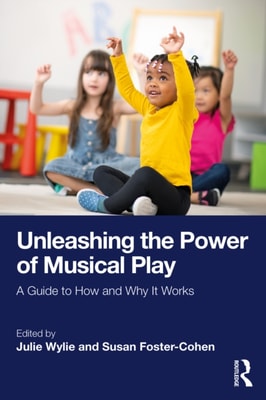
Rich in practical insights and personal reflections from teachers and therapists, this book explains what musical play is, how and why it benefits children, and how it can be integrated into educational, community and clinical environments.
This Routledge Handbook of Childhood Studies and Global Development explores how global development agendas and economic development influence children's lives.
Literacy Tutoring in the Community presents best practices in literacy tutoring through a guidebook of high-impact and systematic instruction toward successful tutoring.
Literacy Tutoring in the Community presents best practices in literacy tutoring through a guidebook of high-impact and systematic instruction toward successful tutoring.
This book provides a critical review of the long-term effectiveness of education and social protection policies enacted by G10 countries in response to the global pandemic.
This book provides a critical review of the long-term effectiveness of education and social protection policies enacted by G10 countries in response to the global pandemic.
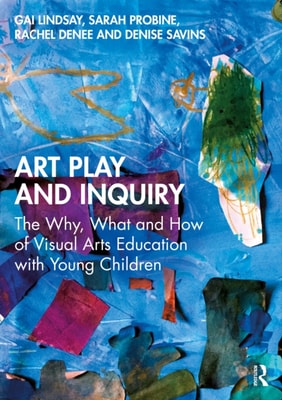
Based on empirical evidence from authentic classroom data, this book promotes the value of aesthetic development in early childhood from a range of perspectives across the curriculum.
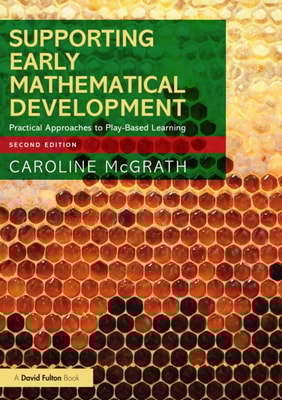
A strong understanding of conceptual vocabulary in the Early Years supports children's communication and thinking, and forms the foundation for later mathematical and scientific learning.
A strong understanding of conceptual vocabulary in the Early Years supports children's communication and thinking, and forms the foundation for later mathematical and scientific learning.
A strong understanding of conceptual vocabulary in the Early Years supports children's communication and thinking, and forms the foundation for later mathematical and scientific learning.
Based on empirical evidence from authentic classroom data, this book promotes the value of aesthetic development in early childhood from a range of perspectives across the curriculum.
A strong understanding of conceptual vocabulary in the Early Years supports children's communication and thinking, and forms the foundation for later mathematical and scientific learning.
First published in 1983, Helping Young Children with Behaviour Difficulties aims to help all teachers involved with groups of young children to deal constructively with any behaviour problems they may encounter in their daily work.
First published in 1983, Helping Young Children with Behaviour Difficulties aims to help all teachers involved with groups of young children to deal constructively with any behaviour problems they may encounter in their daily work.
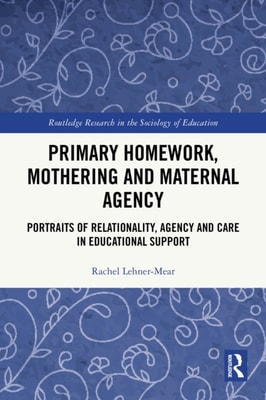
Constructed around powerful stories of maternal agency, care and emotion, this novel volume conceptualises the primary homework experience as a social and relational practice and act of mothering, thereby raising wider questions about parental involvement in education, families' agency in school practices, and the broader implications for policy.
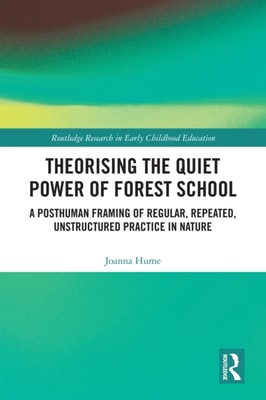
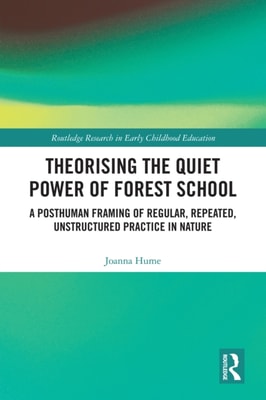
This highly novel volume reframes the popular, yet sorely under-theorised international education movement known as forest school, offering an interdisciplinary framework with which to set apart forest school from other outdoor education programmes and child-led pedagogies.
This highly novel volume reframes the popular, yet sorely under-theorised international education movement known as forest school, offering an interdisciplinary framework with which to set apart forest school from other outdoor education programmes and child-led pedagogies.
Constructed around powerful stories of maternal agency, care and emotion, this novel volume conceptualises the primary homework experience as a social and relational practice and act of mothering, thereby raising wider questions about parental involvement in education, families' agency in school practices, and the broader implications for policy.