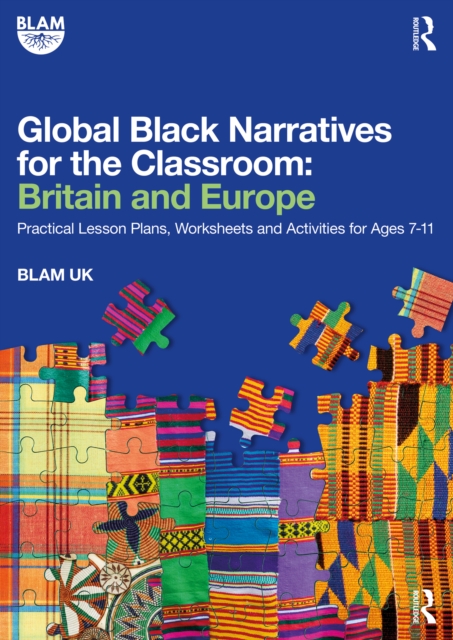
Rather than reserving the teaching of Black history to Black history month, Black narratives deserve to be seen and integrated into every aspect of the school curriculum.
Zapata demonstrates how to reinvigorate aesthetic and critical response in early childhood and elementary classrooms through literature explorations of diverse picturebook collections.
As the first book in the Making Disciplinary Language Visible series, this practical toolkit helps teachers promote disciplinary literacy development for Multilingual learners and their peers in the 5-12 social studies classroom.
Typically, most people don't realize when and how they can use the mathematics they were taught in high school - yet many of the mathematical ideas and skills can be a powerful tool for understanding how the world works.
As the first book in the Making Disciplinary Language Visible series, this practical toolkit helps teachers promote disciplinary literacy development for Multilingual learners and their peers in the 5-12 social studies classroom.
Typically, most people don't realize when and how they can use the mathematics they were taught in high school - yet many of the mathematical ideas and skills can be a powerful tool for understanding how the world works.
Rather than reserving the teaching of Black history to Black history month, Black narratives deserve to be seen and integrated into every aspect of the school curriculum.
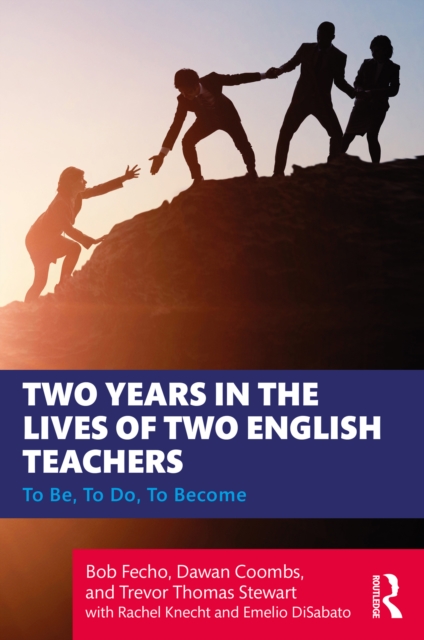
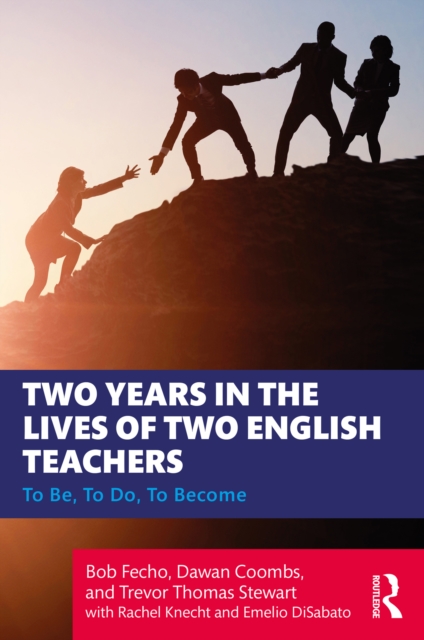
This book invites readers to explore the complexity of becoming a teacher through the stories of two novice ELA teachers, Emelio and Rachel, over the course of their first two years.
This book invites readers to explore the complexity of becoming a teacher through the stories of two novice ELA teachers, Emelio and Rachel, over the course of their first two years.
This book challenges common understandings of boredom and disengagement in classrooms, taking a relational approach to boredom which looks beyond the usual distinctions between in-school and out-of-school practices.
This book challenges common understandings of boredom and disengagement in classrooms, taking a relational approach to boredom which looks beyond the usual distinctions between in-school and out-of-school practices.
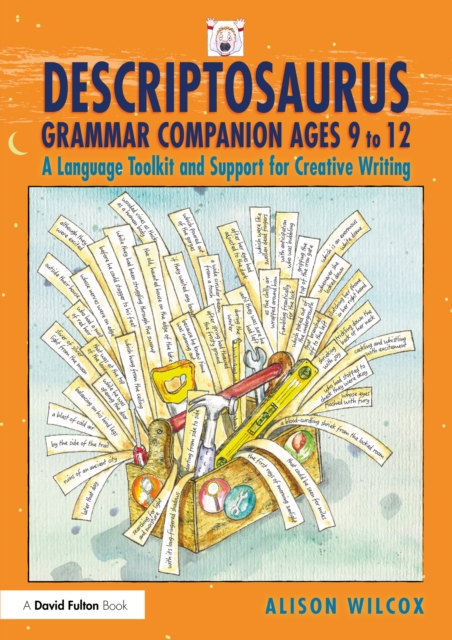
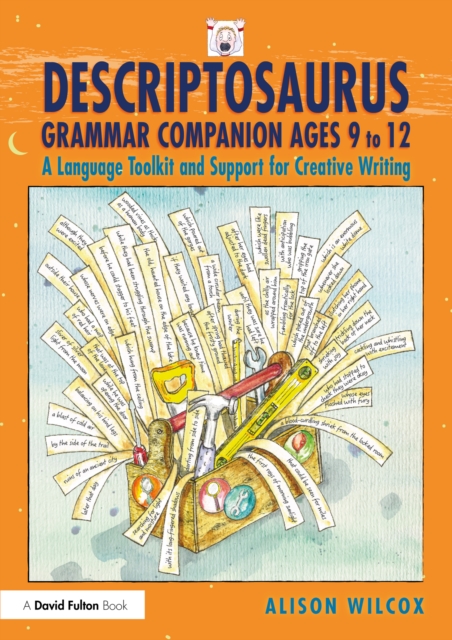
Descriptosaurus Grammar Companion Ages 9 to 12 is a flexible grammar toolkit based on current research about effective strategies for teaching grammar tools and sentence construction (investigation, imitation, combining and expansion).
Descriptosaurus Grammar Companion Ages 9 to 12 is a flexible grammar toolkit based on current research about effective strategies for teaching grammar tools and sentence construction (investigation, imitation, combining and expansion).
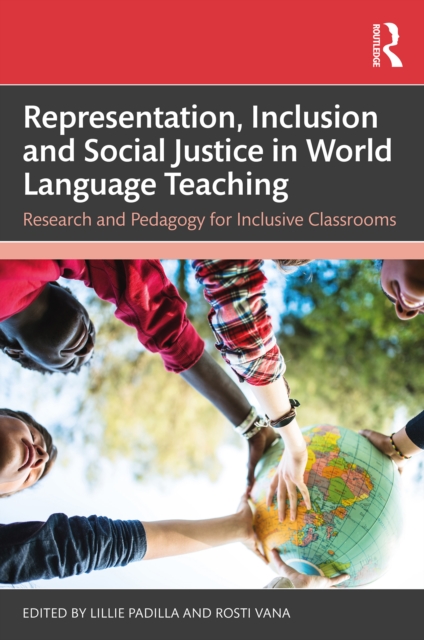
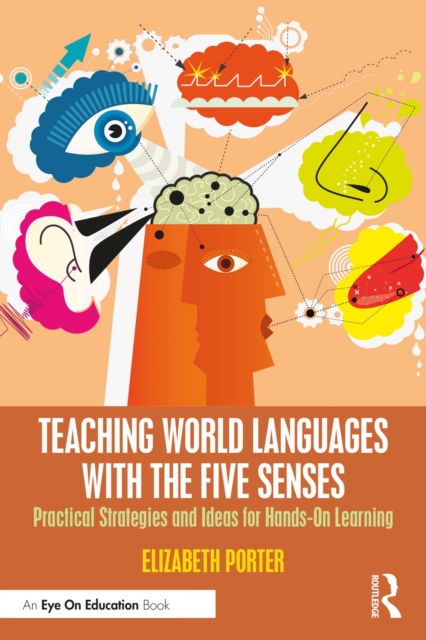
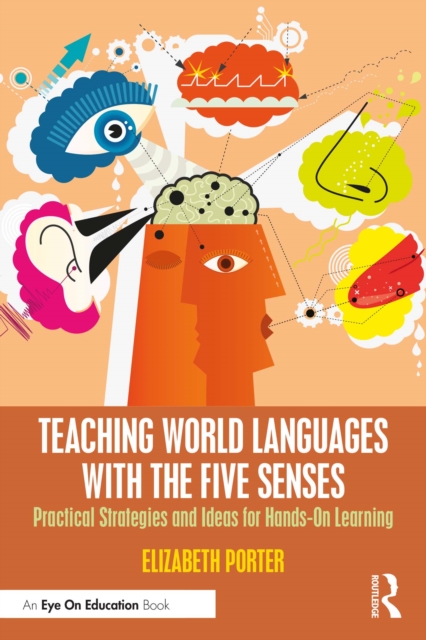
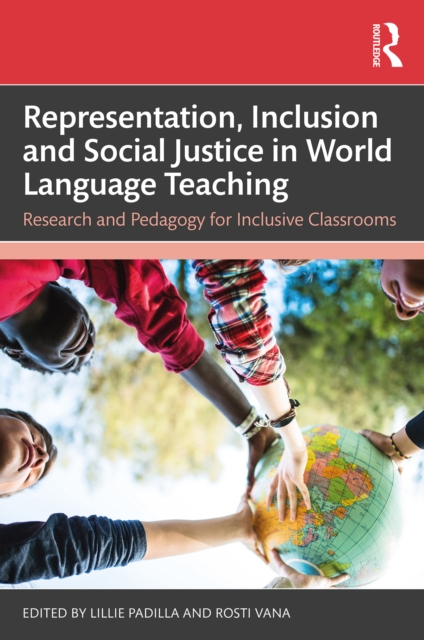
This volume introduces teaching methodologies for improving and incorporating representation, inclusion and social justice perspectives in the world language curriculum.
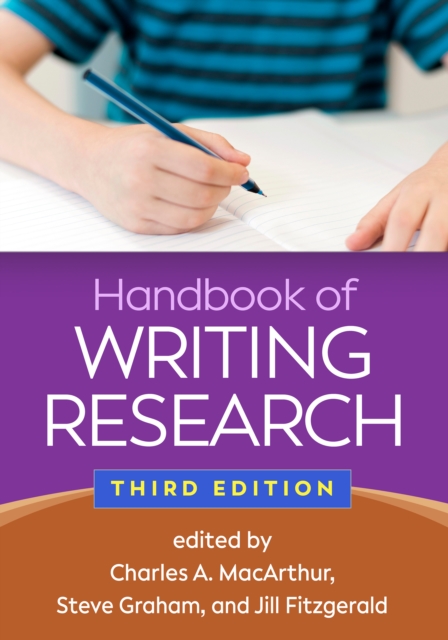
Synthesizing the breadth of current research on the teaching and learning of writing, the third edition of this definitive handbook has more than 90% new content, reflecting the growth and dynamism of the field.
Now in its fifth edition, the Handbook of Research on Teaching the English Language Arts--sponsored by the International Literacy Association and the National Council of Teachers of English--remains at the forefront in bringing together prominent scholars, researchers, and professional leaders to offer an integrated perspective on teaching the English language arts and a comprehensive overview of research in the field.
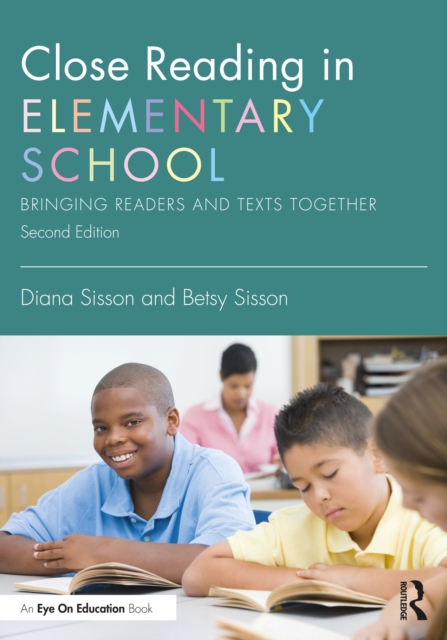
Many literacy experts believe close reading has the power to create strong, independent readers, but what does that really mean, and how does it work in the classroom?
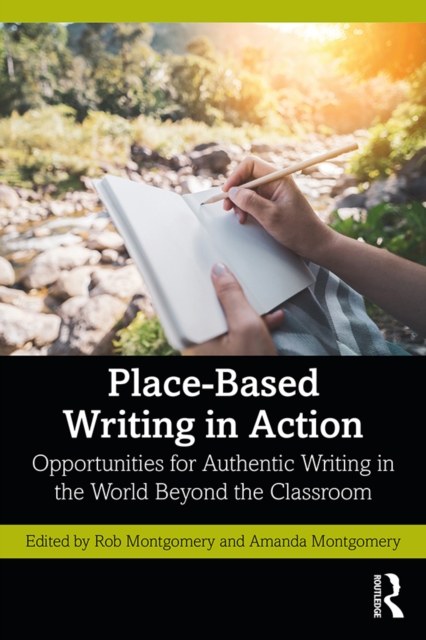
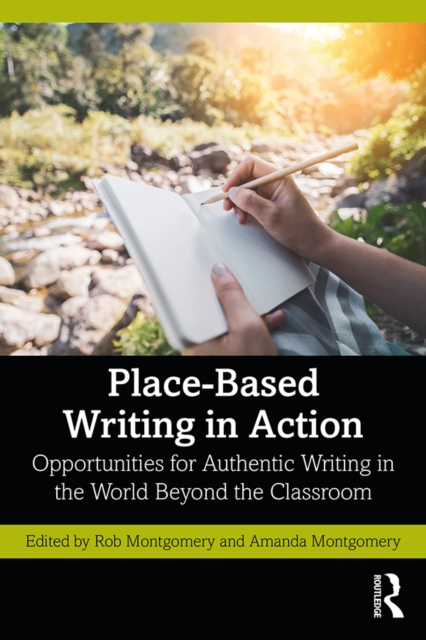
This text presents a variety of ways for students to meet traditional instructional goals in writing while also learning how writing can help them become stewards of the natural world and advocates for their own communities.
Now in its fifth edition, the Handbook of Research on Teaching the English Language Arts--sponsored by the International Literacy Association and the National Council of Teachers of English--remains at the forefront in bringing together prominent scholars, researchers, and professional leaders to offer an integrated perspective on teaching the English language arts and a comprehensive overview of research in the field.
This text presents a variety of ways for students to meet traditional instructional goals in writing while also learning how writing can help them become stewards of the natural world and advocates for their own communities.
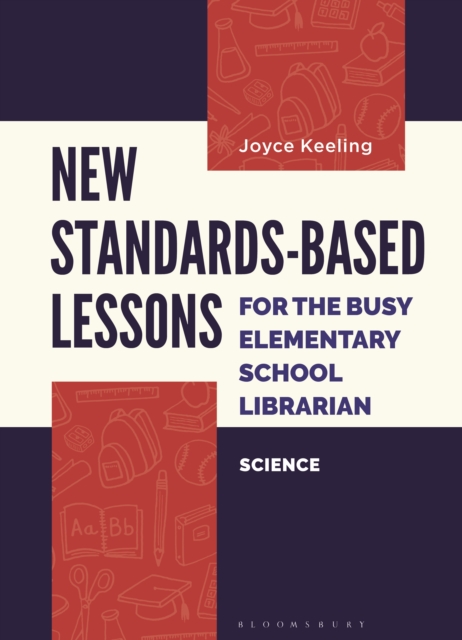
This book provides targeted and invaluable help for the busy elementary school librarian and the science teacher as they work together to design and co-teach library-based lessons guided by the Next Generation Science Standards, English Literacy Common Core Standards, and the new AASL Standards.
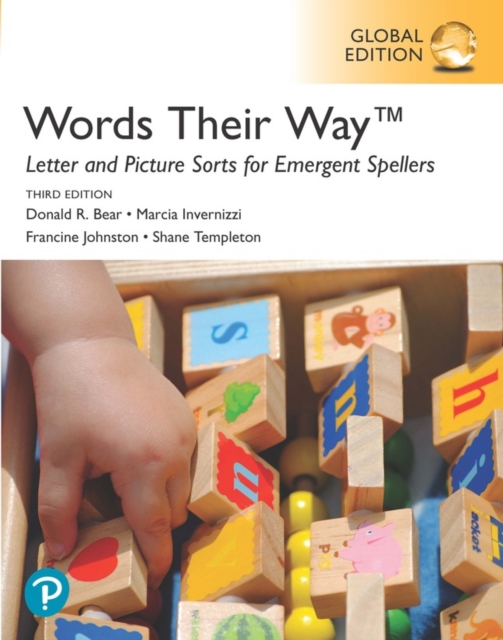
The ideal stage-specific companion to Words Their Way: Word Study for Phonics, Vocabulary, and Spelling Instruction In keeping with the authors' belief that the hands-on, word sorting approach to word study is invaluable to teachers and students alike, this volume presents prepared sorts and activities covering the full curriculum of word study for students who are in the emergent stage of spelling development.
This volume introduces teaching methodologies for improving and incorporating representation, inclusion and social justice perspectives in the world language curriculum.
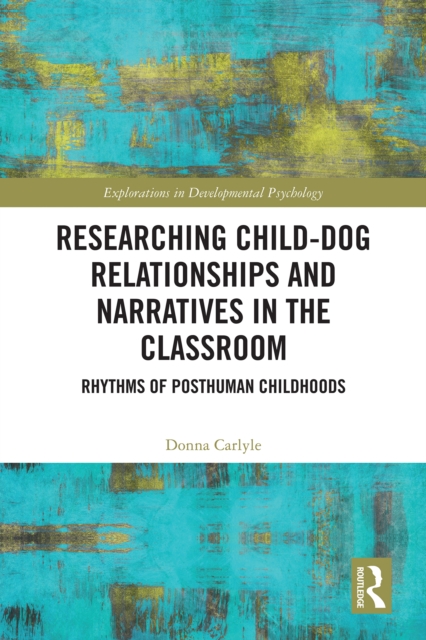
This interdisciplinary book explores posthuman and psychological approaches to childhood education and well-being by examining 'animal-assisted' education, using qualitative approaches to understand the nuanced mechanisms which unfold in child-dog interactions.
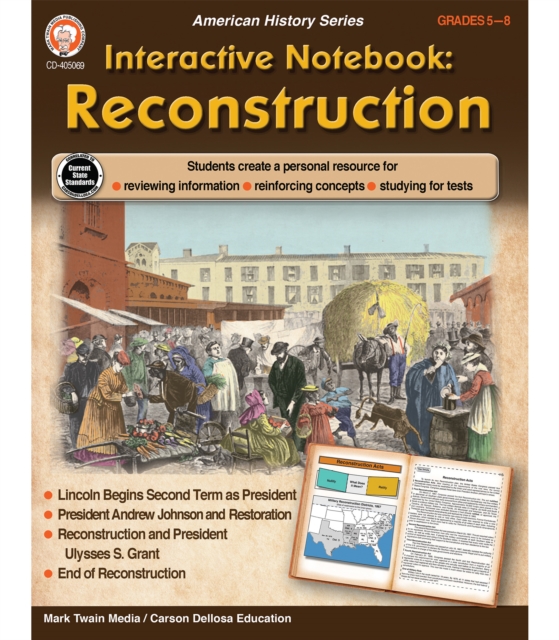
Notebook Features:* 64 pages, about 8 inches x 11 inches* Ages 10-14, grades 5-8* Covers President Lincoln's second term, Andrew Johnson's presidency, and restoration* Helps students record, store, and organize information for review/test prep* Correlated to state standardsHands-On Learning: The Reconstruction Interactive Notebook helps 5th-8th graders create their own American history resource.
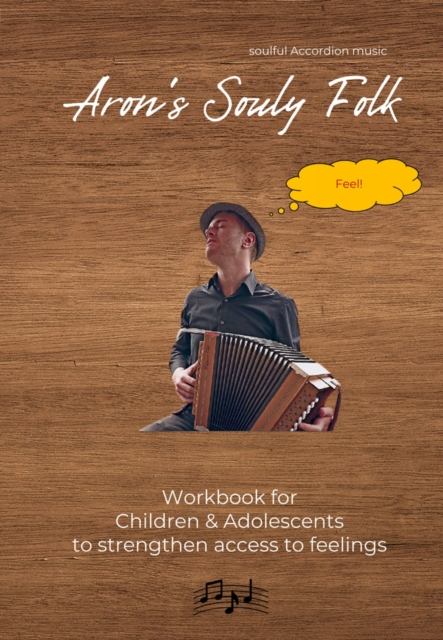
An increasing number of children face feelings of anxiety and isolation, negatively impacting their mental health and wellbeing, as well as their attainment in school.
Learn how to support and encourage the development of strong, nurturing relationships among your students of all neurotypes and needs with this practical, field-tested guide.