Many educators understand that inquiry-based learning holds great potential but still need guidance to implement inquiry in their daily instructional practice.
Arithmetic Ninja for Ages 5-6 is the essential photocopiable maths resource for every Year 1 classroom from Andrew Jennings, the creator of Vocabulary Ninja, Comprehension Ninja and Write Like a Ninja.
Arithmetic Ninja for Ages 6-7 is the essential photocopiable maths resource for every Year 2 classroom from Andrew Jennings, the creator of Vocabulary Ninja, Comprehension Ninja and Write Like a Ninja.
Arithmetic Ninja for Ages 7-8 is the essential photocopiable maths resource for every Year 3 classroom from Andrew Jennings, the creator of Vocabulary Ninja, Comprehension Ninja and Write Like a Ninja.
Arithmetic Ninja for Ages 8-9 is the essential photocopiable maths resource for every Year 4 classroom from Andrew Jennings, the creator of Vocabulary Ninja, Comprehension Ninja and Write Like a Ninja.
Arithmetic Ninja for Ages 9-10 is the essential photocopiable maths resource for every Year 5 classroom from Andrew Jennings, the creator of Vocabulary Ninja, Comprehension Ninja and Write Like a Ninja.
Arithmetic Ninja for Ages 10-11 is the essential photocopiable maths resource for every Year 6 classroom from Andrew Jennings, the creator of Vocabulary Ninja, Comprehension Ninja and Write Like a Ninja.
This concise, digestible book shows how the cultivation of reason became the defining aim of western education, and critiques how this aim has been eclipsed in recent decades by the neoliberal system of mass schooling imposed by the state.
Written by experienced clinicians, this book provides an exploration of how educators can easily use Dyadic Developmental Practice (DDP) to help vulnerable pupils to thrive.
This book offers a unique and critical explication of teachers' understanding and experience of care during a period of regulatory scrutiny and 'notice to improve'.
This book offers a unique and critical explication of teachers' understanding and experience of care during a period of regulatory scrutiny and 'notice to improve'.
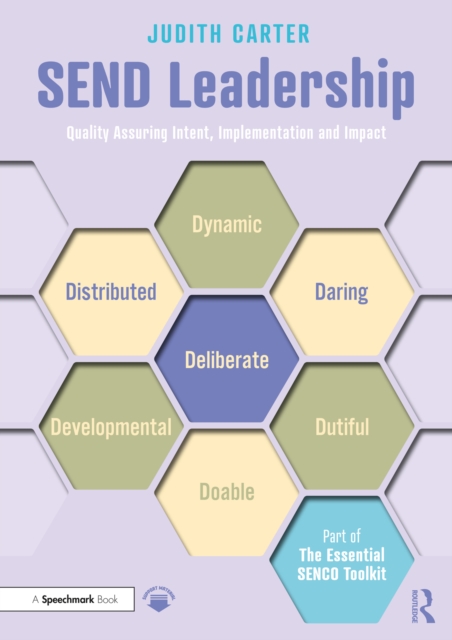
SEND Leadership completes the 'Essential SENCO Toolkit' trilogy and provides SENCOs and SEN practitioners with the guidance and tools needed to aid their leadership and quality assurance (QA) roles.
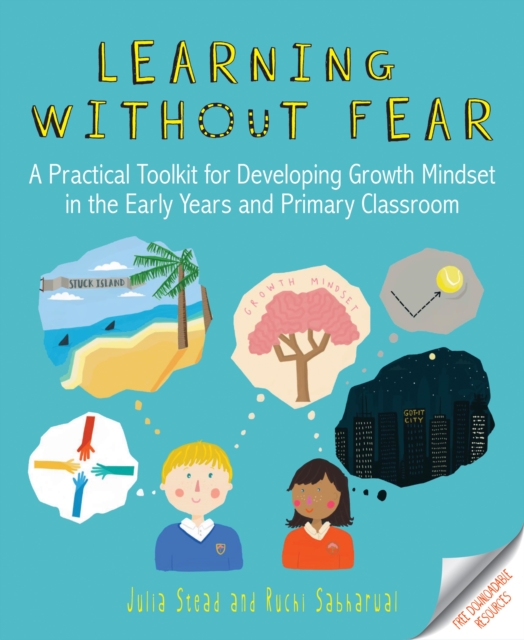
In Learning without Fear: A practical toolkit for developing growth mindset in the early years and primary classroom, Julia Stead and Ruchi Sabharwal provide teachers of this age group with a colourful collection of strategies and resources designed to nurture young learners' resilience and learning capabilities.
Packed with fun, creative and multi-sensory activities, this resource will help children and teenagers with dyslexia become successful learners across the curriculum.
This highly accessible and much-needed resource sets out practical advice on positive behaviour management in primary schools, exploring how to support children effectively with their personal, social and emotional development.
TEACH SECONDARY AWARDS FINALISTCurrently teachers don't receive the training or induction they need to make their school an LGBT+ inclusive environment.
Discussions with school children aged 5-11 reveal that there is still a degree of uncertainty amongst students about whether it is ok to ask questions about autism.
Headteachers need to have a view on every possible aspect of running a school and be able to justify and articulate a set of values that tie into their vision.
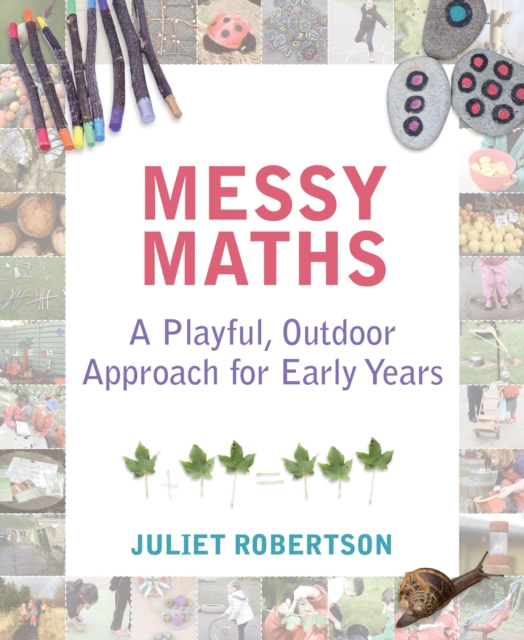
In Messy Maths: A Playful, Outdoor Approach for Early Years, Juliet Robertson offers a rich resource of ideas that will inspire you to tap into the endless supply of patterns, textures, colours and quantities of the outdoors and deepen children's understanding of maths through hands-on experience.
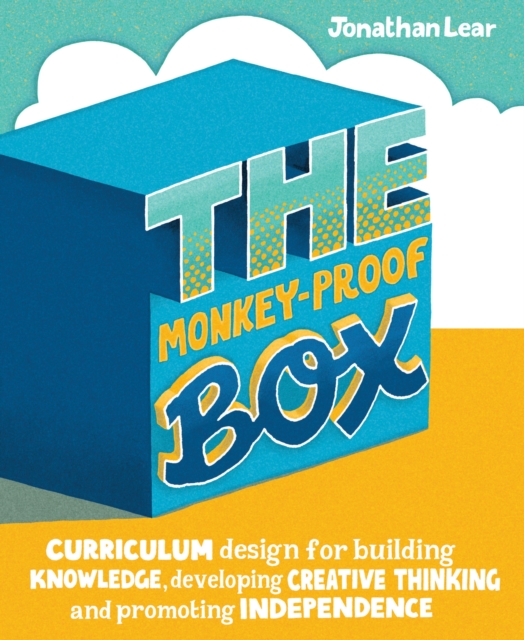
Written by Jonathan Lear, The Monkey-Proof Box: Curriculum design for building knowledge, developing creative thinking and promoting independence is a manifesto on how to dismantle the curriculum we're told to deliver and construct in its place the curriculum we need to deliver.
In Messy Maths: A Playful, Outdoor Approach for Early Years, Juliet Robertson offers a rich resource of ideas that will inspire you to tap into the endless supply of patterns, textures, colours and quantities of the outdoors and deepen children's understanding of maths through hands-on experience.
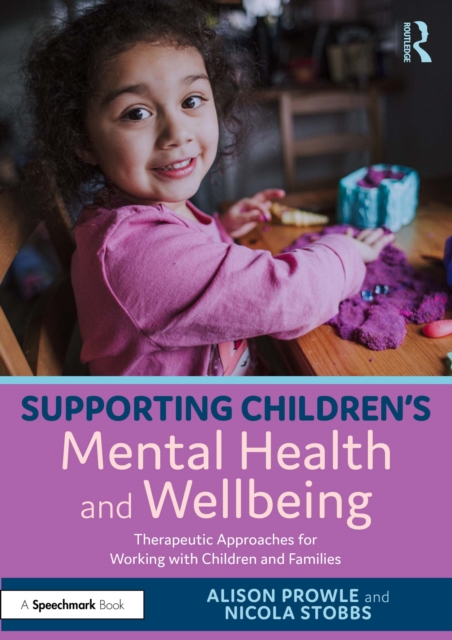
This key text recognises the importance of upskilling students and practitioners to understand children's holistic needs and to develop new ways of working therapeutically that support their wellbeing and resilience.
Why the education system is failing our kids and how we can start the revolution that will save our schoolsWith their emphasis on regurgitated knowledge and stressful exams, today's schools actually do more harm than good.
Building on the pioneering 2009 volume, Race, Culture, and Identities in Second Language Education, this book reflects the significant expansion in the research since its publication and offers a wider breadth of perspectives on the complex theoretical terrain of race, racism, and antiracism in language education.
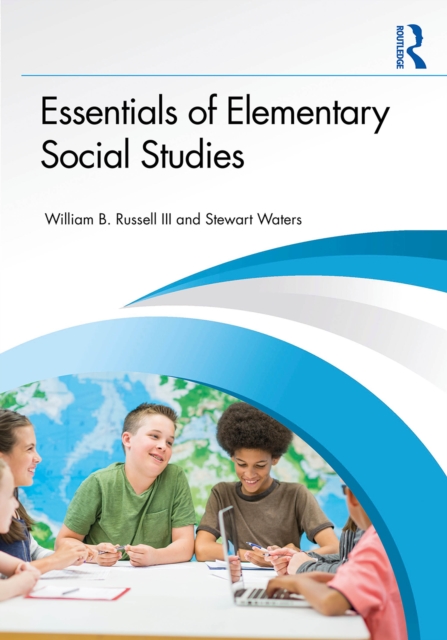
Essentials of Elementary Social Studies is a teacher-friendly text that provides comprehensive treatment of classroom planning, instruction, and strategies.
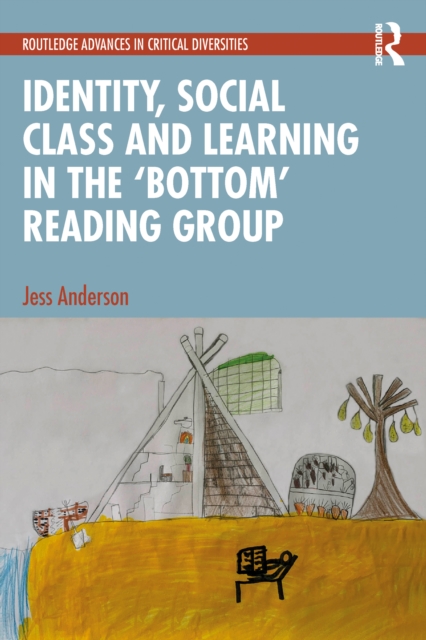
The common practice of ability-grouped reading in UK schools, often termed guided reading, influences children's sense of identity, feelings and progress as readers.
This book champions care education in early childhood school contexts, addressing the critical need for an effective and meaningful ethics education grounded in Platonic and Aristotelian reflections on virtues, and ultimately positing a theory of ethics education that connects ancient philosophy to contemporary care thinking.