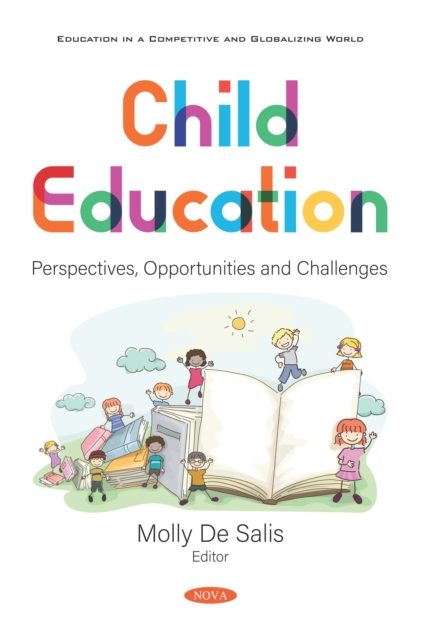
In Child Education: Perspectives, Opportunities and Challenges, the authors present and discuss the partial results of the first stage of a research study on children's transition from early childhood education to elementary school.
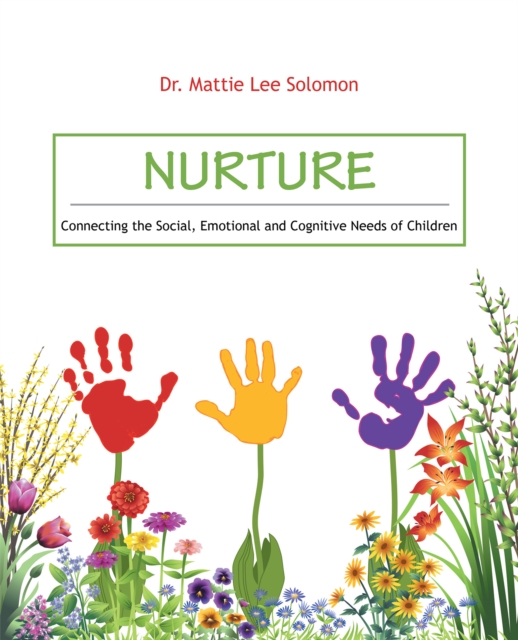
Children have a lot in common with flowers: To blossom, they must be properly nurtured; they all have different needs; and their differences make each one more beautiful.
A Little Guide for Teachers: Engaging Parents and Carers with Schools builds on author experience, and findings from the spotlight thrown on home-school relationships during Covid-19, to provide teachers with effective strategies to enhance these relationships and instill confidence in teachers working with parents.
A Little Guide for Teachers: Engaging Parents and Carers with Schools builds on author experience, and findings from the spotlight thrown on home-school relationships during Covid-19, to provide teachers with effective strategies to enhance these relationships and instill confidence in teachers working with parents.
This essential text supports students to develop their understanding of children and young people with special educational, and additional support needs.
This is your essential teaching companion that offers a broad understanding of modern psychology and how ideas from psychological theory and research can be relevant to any classroom.
Research evidence consistently shows that an outdoor learning environment can improve behaviour, engagement and encourage more active participation in learning.
This essential text supports students to develop their understanding of children and young people with special educational, and additional support needs.
This is your essential teaching companion that offers a broad understanding of modern psychology and how ideas from psychological theory and research can be relevant to any classroom.
Research evidence consistently shows that an outdoor learning environment can improve behaviour, engagement and encourage more active participation in learning.
Learning in the arts does not fit in with simple, conventional methodologies for teaching and assessing in the traditional sense, but it has an immense power to transform children's understanding of the world around them, and their lives.
Learning in the arts does not fit in with simple, conventional methodologies for teaching and assessing in the traditional sense, but it has an immense power to transform children's understanding of the world around them, and their lives.
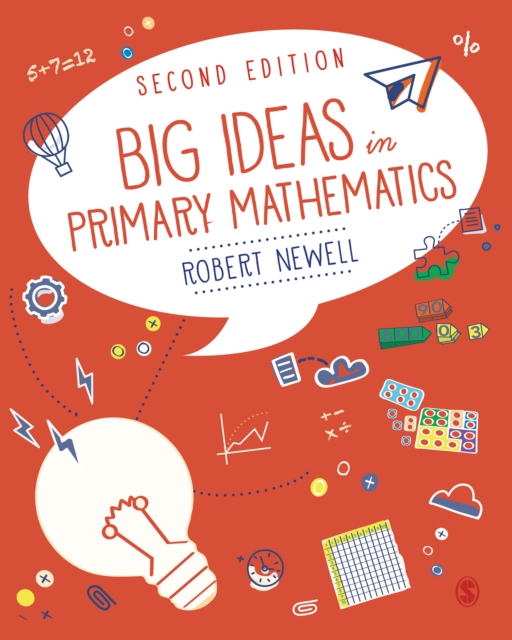
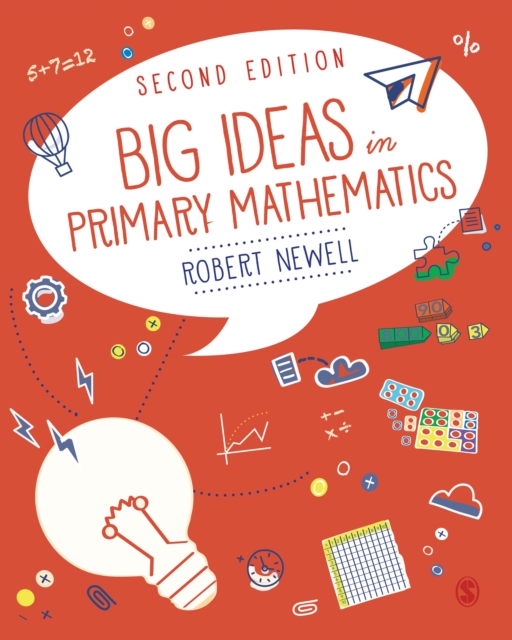
This book explains 'big ideas' in mathematics in simple terms supported by classroom examples to show how they can be applied in primary schools to enable learning.
This book explains 'big ideas' in mathematics in simple terms supported by classroom examples to show how they can be applied in primary schools to enable learning.