"e;Increasing Student Engagement and Retention Using Immersive Interfaces: Virtual Worlds, Gaming, and Simulation"e; uses case studies, surveys, and literature reviews to critically examine how gaming, simulation, and virtualization are being used to improve teamwork and leadership skills in students, create engaging communities of practice, and as experiential learning tools to create inter-cultural, multi-perspective, and global experiences.
"e;Increasing Student Engagement and Retention using Social Technologies: Facebook, e-portfolios and other Social Networking Services"e; uses case studies, surveys, and literature reviews to examine how these social media technologies are being used to improve writing and publishing skills in students, create engaging communities of practice, and how these tools are being used for e-Mentoring and constructing online reputations.
"e;Increasing Student Engagement and Retention using Online Learning Activities: Wikis, Blogs and WebQuests"e; uses case studies, surveys, and literature reviews to critically examine how these technologies are being used to improve writing and publishing skills, student subject awareness, and literacy create engaging communities of practice, and as experiential learning tools.
In Independent Thinking on Restorative Practice: Building relationships, improving behaviour and creating stronger communities, Mark Finnis shares a practical and inspiring introduction to the use of restorative practice in educational settings.
Written by Dave Whitaker, The Kindness Principle: Making relational behaviour management work in schools advocates a behaviour management approach rooted in values, acceptance and a genuine understanding of children's behaviour.
Written by Richard Evans, Independent Thinking on Emotional Literacy: A passport to increased confidence, engagement and learning shares an approach that will help educators boost their pupils' emotional literacy, with the broader aim of nurturing a more grounded, engaged and intrinsically motivated child.
Written by Dave Harris, Independent Thinking on Transition: Fostering better collaboration between primary and secondary schools is an inspirational compendium of practical strategies to empower primary and secondary school leaders to work together to get transition right.
Written by Martin Illingworth, Forget School: Why young people are succeeding on their own terms and what schools can do to avoid being left behind is a wide-reaching, engaging enquiry into the things that young people actually need from their education.
Jackie Beere's Independent Thinking on Teaching and Learning: Developing independence and resilience in all teachers and learners is a practical guide full of educational wisdom to help teachers make a genuine difference to the lives of every young person in their classroom.
Dave Keeling's Independent Thinking on Laughter: Using humour as a tool to engage and motivate all learners is an uplifting manifesto packed with tips and techniques to help educators unleash the power of humour and laughter in the learning environment.
Written by Chris Curtis, How to Teach: English: Novels, non-fiction and their artful navigation is jam-packed with enlivening ideas to help teachers make the subject of English more intellectually challenging for students - and to make it fun too!
In Teacher in the Cupboard: Self-reflective, solution-focused teaching and learning, Lisa Jane Ashes takes educators on a self-reflective journey that will inspire them to challenge the 'how to', tick-box approach to teaching.
In The Compleat Thunks Book Ian Gilbert brings together classic Thunks from a number of his books, as well as hundreds of new ones, all designed to make your brain hurt as you think, question, debate and argue your way to a better understanding of how to survive in a world gone dangerously bonkers.
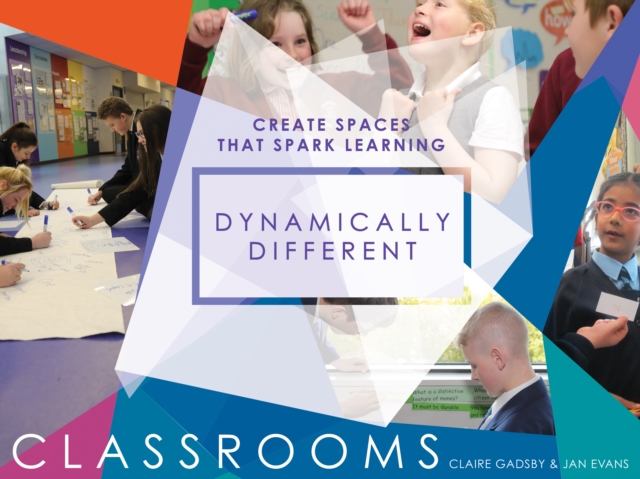
In Dynamically Different Classrooms: Create spaces that spark learning, Claire Gadsby and Jan Evans provide teachers with a visually striking masterclass on how to maximise the potential of every cubic inch of the learning environment.
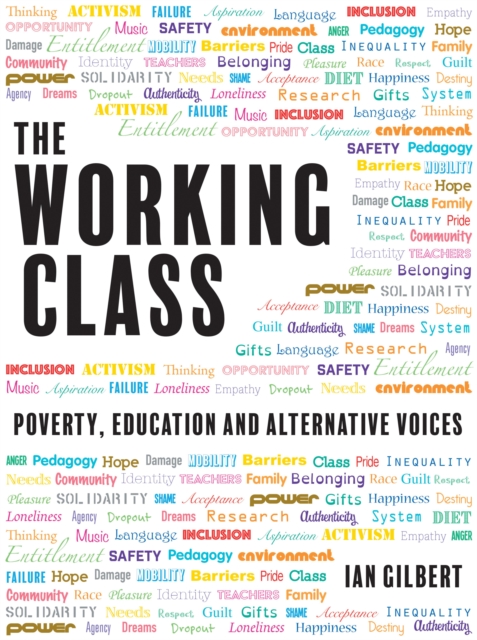
In The Working Class: Poverty, education and alternative voices, Ian Gilbert unites educators from across the UK and further afield to call on all those working in schools to adopt a more enlightened and empathetic approach to supporting children in challenging circumstances.
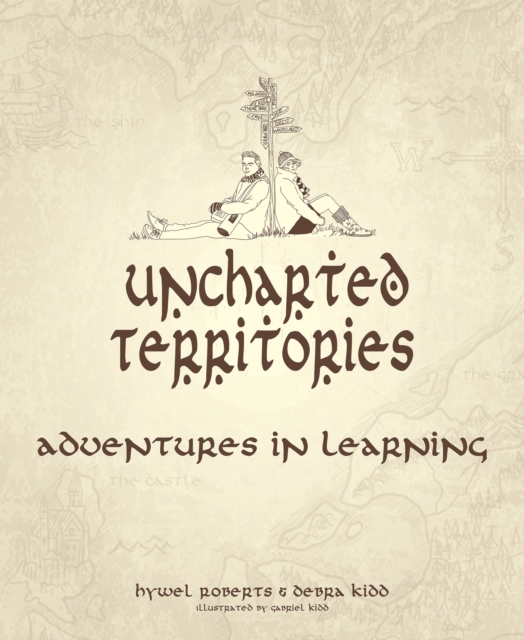
Hywel Roberts and Debra Kidd's Uncharted Territories: Adventures in learning is a book of prompts, provocations and possibilities designed to nourish creativity and generate ideas that will get teachers and pupils excited about learning.
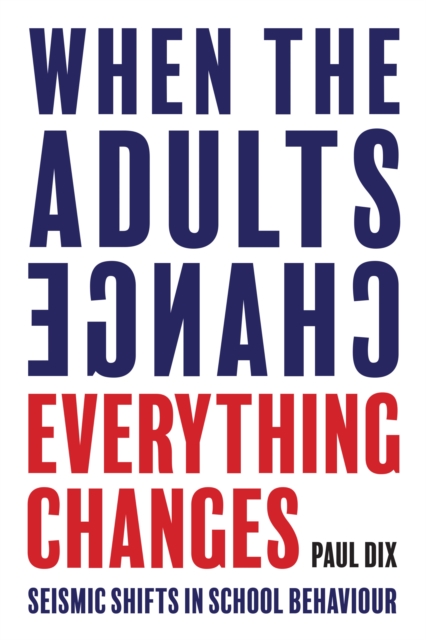
You can buy in the best behaviour tracking software, introduce 24/7 detentions or scream 'NO EXCUSES' as often as you want but ultimately the solution lies with the behaviour of the adults.
Don't Change the Light Bulbs offers tips and hints on how to be the best teacher you can be, and is written by some of the most respected leaders in education today.
Education is like a sherbet lemon: we need the structures and systems - the hard exterior - but we can easily lose sight of the magic that is at the heart of this; the teaching and learning - the fizz in the centre.
In a dynamic and ever changing education climate it is important to re-evaluate practice in schools on a regular basis in order to ensure that we are doing the right thing for our children.
The name 'Thoughtings' was inspired by a 5-year old who, when asked to explain what thinking is without using the word 'think' said 'It's when you're thoughting'.
From Ancient Greece to the present day, Trivium 21c explores whether a contemporary trivium (Grammar, Dialectic, and Rhetoric) can unite progressive and traditionalist institutions, teachers, politicians and parents in the common pursuit of providing a great education for our children in the 21st century.
Imagine a one-stop shop stacked to the rafters with everything you could ever want to tap into young people's natural curiosity and get them thinking deeply.
There are physical, social and mental benefits that humour can bring to the learning environment - benefits such as creating openness, bravery, teamwork, imagination and creativity and, most of all, improving relationships between students and teachers.
Rob Plevin was an outdoor instructor, corporate trainer and youth worker for young people in crisis before finally following his dream and becoming a teacher.
Following on from the acclaimed The Lazy Teacher's Handbook, Jim Smith applies his lazy philosophy to flip the task of 'leading learning' to 'letting learning lead'.
When tiny voices talk, three amazing things happen: they share surprising ideas and insights; they realise they are not so tiny; and they empower other tiny voices to talk too.
Dynamic Assessment is an innovative approach to revealing the full range of learner abilities that has rapidly gained attention from language educators and researchers.
Co-authored by Sean Warren and Stephen Bigger, Living Contradiction: A Teacher's Examination of Tension and Disruption in Schools, in Classrooms and in Self charts Warren's journey as an experienced and successful teacher who lost himself in his rigid commitment to upholding standards, and documents his research to find a better way.
In an increasingly interconnected world, supporting students as they learn to communicate in linguistically diverse intercultural settings is a significant aim of English language and international education.
Serving as a pioneering work, this volume offers a systematic and comprehensive exploration of the integration between Audio Description (AD) and interpreting studies.