Commentaries by top scholars alongside the most important documents and speeches concerning the Bretton Woods Conference of 1944 The two world wars brought an end to a long-standing system of international commerce based on the gold standard.
A group history of the Austrian School of Economics, from the coffeehouses of imperial Vienna to the modern-day Tea Party The Austrian School of Economics—a movement that has had a vast impact on economics, politics, and society, especially among the American right—is poorly understood by supporters and detractors alike.
An urgent and timely story of the contentious politics of incorporating environmental justice into global climate change policy Although the science of climate change is clear, policy decisions about how to respond to its effects remain contentious.
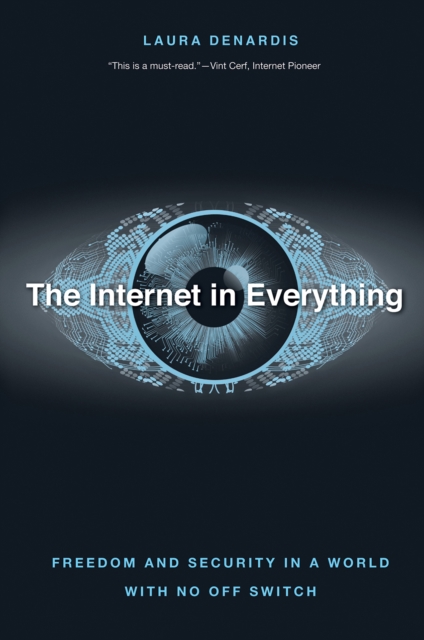
A compelling argument that the Internet of things threatens human rights and security The Internet has leapt from human-facing display screens into the material objects all around us.
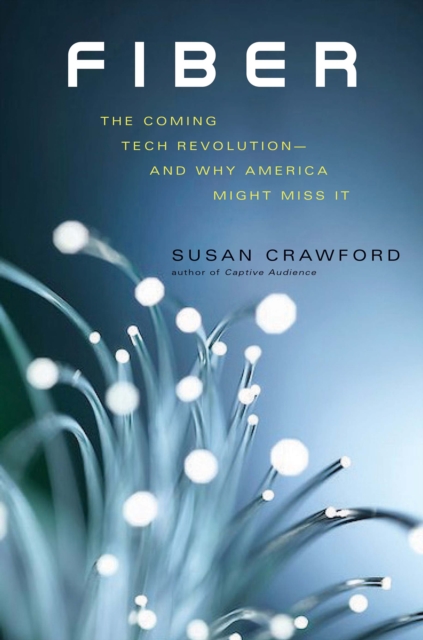
The world of fiber optic connections reaching neighborhoods, homes, and businesses will represent as great a change from what came before as the advent of electricity.
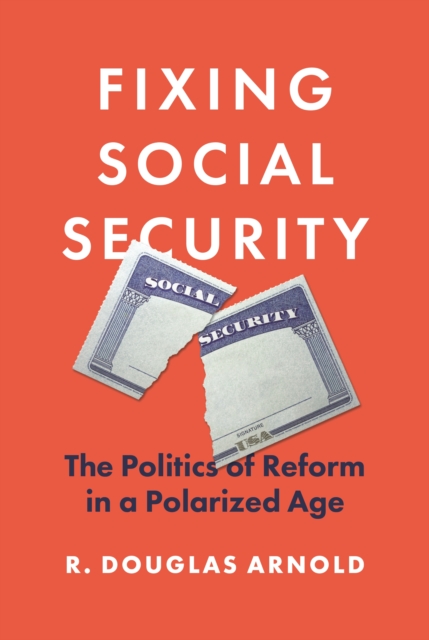
How Social Security has shaped American politics-and why it faces insolvencySince its establishment, Social Security has become the financial linchpin of American retirement.
Millions of children have been born in the United States with the help of cutting-edge reproductive technologies, much to the delight of their parents.
An innovative anthology that offers a global perspective on how people think about predicting the future of life on Earth This anthology provides an historical overview of the scientific ideas behind environmental prediction and how, as predictions about environmental change have been taken more seriously and widely, they have affected politics, policy, and public perception.
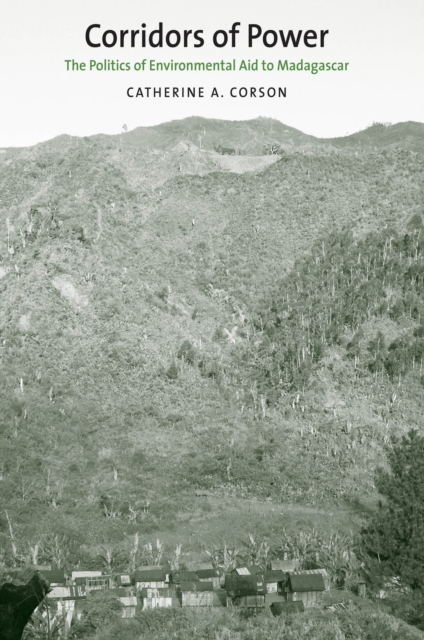
A highly regarded academic and former policy analyst and consultant charts the forty-year history of neoliberalism, environmental governance, and resource rights in Madagascar Since the 1970s, the U.
Congress empowered the Environmental Protection Agency on the theory that only a national agency that is insulated from accountability to voters could produce the scientifically grounded pollution rules needed to save a careless public from its own filth.
A compelling and definitive account of why we need to radically rethink our approach to dealing with catastrophic events Catastrophic events such as 9/11, Hurricane Katrina, and the Tohoku "Triple Disaster" of earthquake, tsunami, and nuclear meltdown that hit the eastern seaboard of Japan in 2012 are seen as surprises that have a low probability of occurring but have a debilitating impact when they do.
A provocative examination of how unequal access to reproductive technology replays the sins of the eugenics movement Eugenics, the effort to improve the human species by inhibiting reproduction of “inferior” genetic strains, ultimately came to be regarded as the great shame of the Progressive movement.
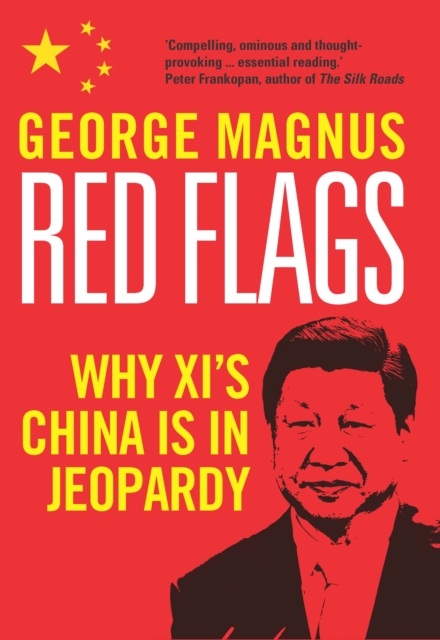
A trusted economic commentator provides a penetrating account of the threats to China's continued economic rise Under President Xi Jinping, China has become a large and confident power both at home and abroad, but the country also faces serious challenges.
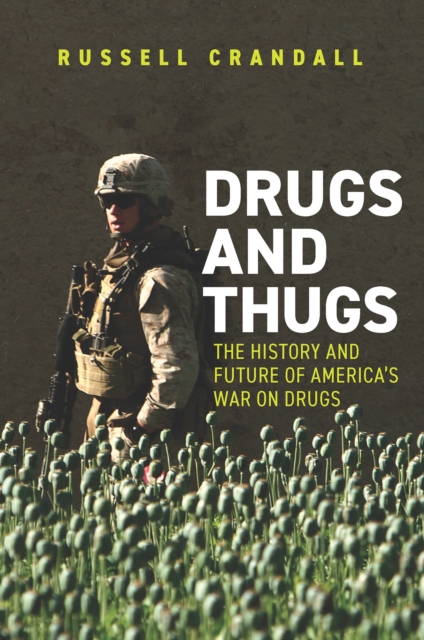
A sweeping and highly readable work on the evolution of America's domestic and global drug war How can the United States chart a path forward in the war on drugs?
A provocative analysis of net neutrality and a call to democratize online communicationThis short book is both a primer that explains the history and politics of net neutrality and an argument for a more equitable framework for regulating access to the internet.
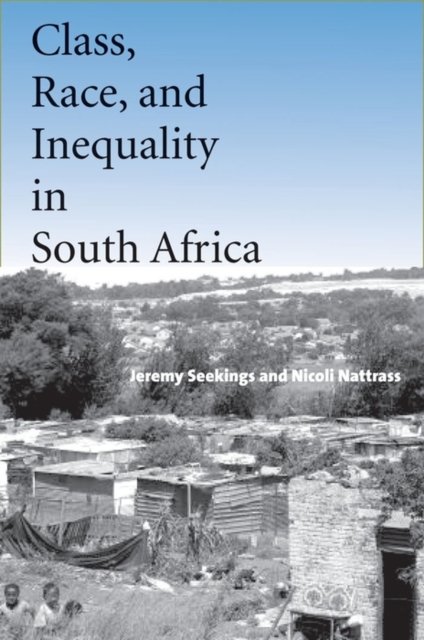
The distribution of incomes in South Africa in 2004, ten years after the transition to democracy, was probably more unequal than it had been under apartheid.
In Folklore, Bill Ivey, former chairman of the National Endowment for the Arts, argues that the world today is being reshaped by the end of the Enlightenment.
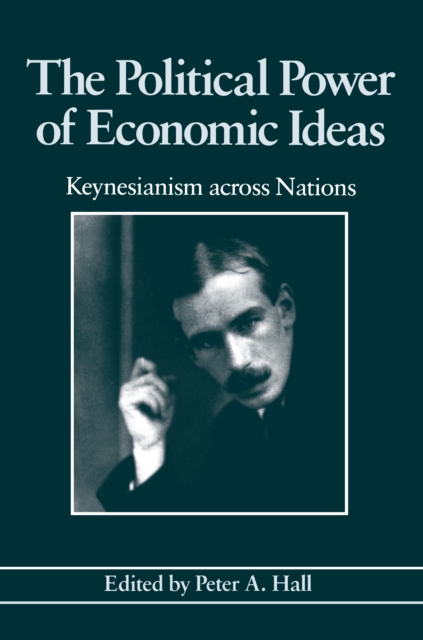
John Maynard Keynes once observed that the "e;ideas of economists and political philosophers, both when they are right and when they are wrong, are more powerful than is commonly understood.
An engaging and enlightening account of taxation told through lively, dramatic, and sometimes ludicrous stories drawn from around the world and across the agesGovernments have always struggled to tax in ways that are effective and tolerably fair.
A new edition of the classic work on the economic tools of foreign policyToday's complex and dangerous world demands a complete understanding of all the techniques of statecraft, not just military ones.
This challenging book argues convincingly that research on European integration has lagged behind important theoretical developments in the fields of international relations, international political economy, and international organization.
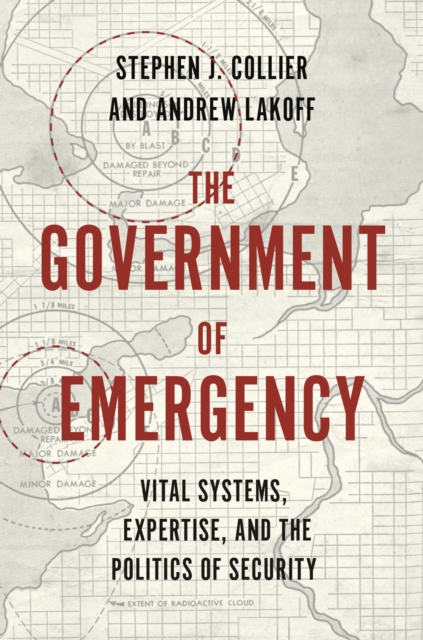
The origins and development of the modern American emergency stateFrom pandemic disease, to the disasters associated with global warming, to cyberattacks, today we face an increasing array of catastrophic threats.
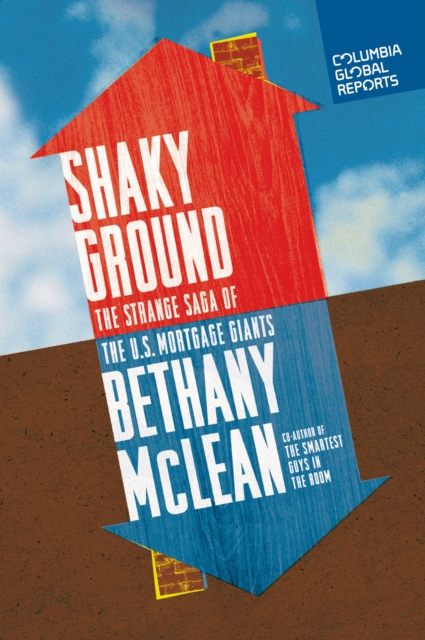
In a way, the situation is ironic: housing was at the root of the financial crisis, and six years after the meltdown, housing finance is still the greatest unsolved issue.
This book takes a clear look at the course of the economic and political developments in Japan since the Second World War and in particular trends in government and politics since the peace treaty of 1952.
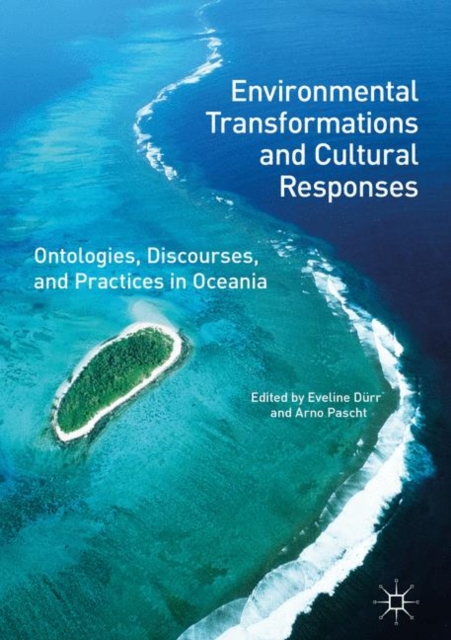
This book explores the various ways in which different communities and peoples in Oceania respond to and engage with recent environmental challenges and concurrent socio-political reconfigurations.
This book is a broad and detailed case study of how journalists in more than 20 countries worldwide covered the Intergovernmental Panel on Climate Change (IPCC) Fifth Assessment (AR5) reports on the state of scientific knowledge relevant to climate change.
This book examines cooperation on shared environmental concerns across national boundaries in the Southern Cone region of South America, specifically Argentina, Brazil, Paraguay and Uruguay.
This fully revised fourth edition of a well-respected textbook seeks to build social workers' confidence in legal interpretation and implementation - practitioners must not only know the law; they must also have a critical appreciation of its implications for human rights, civil liberties and social justice.