This volume focuses on a highly challenging aspect of all European democracies, namely the issue of combining guarantees of judicial independence and mechanisms of judicial accountability.
This volume focuses on a highly challenging aspect of all European democracies, namely the issue of combining guarantees of judicial independence and mechanisms of judicial accountability.
In this book, Bogusia Puchalska develops an original theory of democratic constitutionalism and uses it to support the argument that constitution-making and law-making in constitutional moments should be politically, and not just constitutionally, legitimate.
In this book, Bogusia Puchalska develops an original theory of democratic constitutionalism and uses it to support the argument that constitution-making and law-making in constitutional moments should be politically, and not just constitutionally, legitimate.
Despite regionalism having developed into a global phenomenon, the European Union (EU) is still more often than not presented as the 'role-model of regionalism' whose institutional designs and norms are adopted by other regional actors and organizations as part of a rather passive 'downloading process'.
Despite regionalism having developed into a global phenomenon, the European Union (EU) is still more often than not presented as the 'role-model of regionalism' whose institutional designs and norms are adopted by other regional actors and organizations as part of a rather passive 'downloading process'.
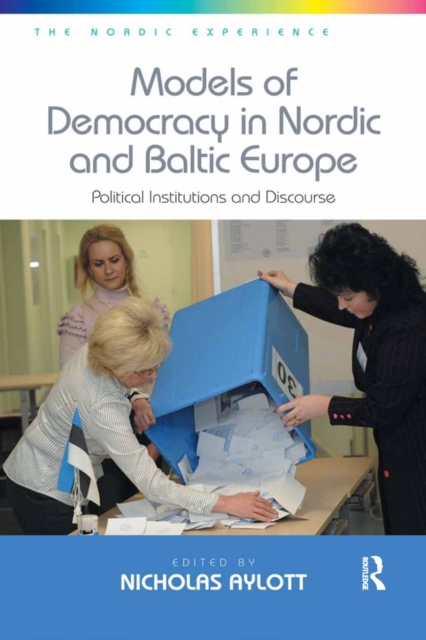
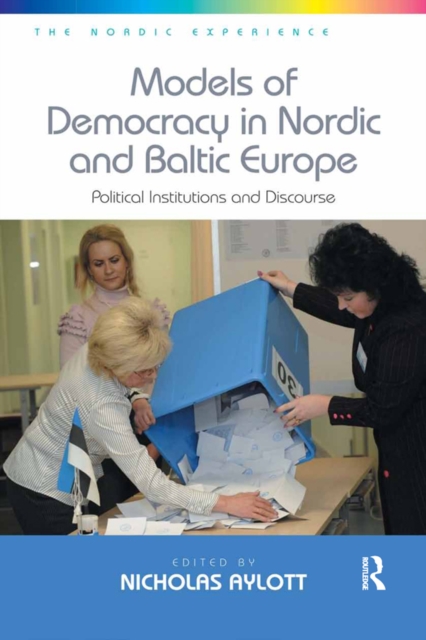
This book explores the ways in which representative democracy works in two neighbouring collections of European states: the Nordic (Denmark, Finland, Iceland, Norway and Sweden) and the Baltic (Estonia, Latvia and Lithuania).
This book explores the ways in which representative democracy works in two neighbouring collections of European states: the Nordic (Denmark, Finland, Iceland, Norway and Sweden) and the Baltic (Estonia, Latvia and Lithuania).
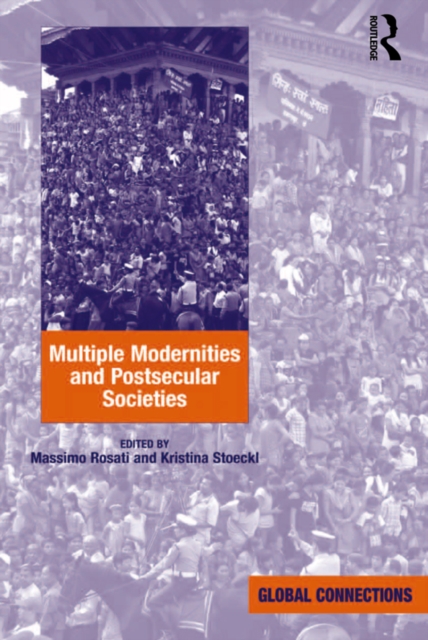
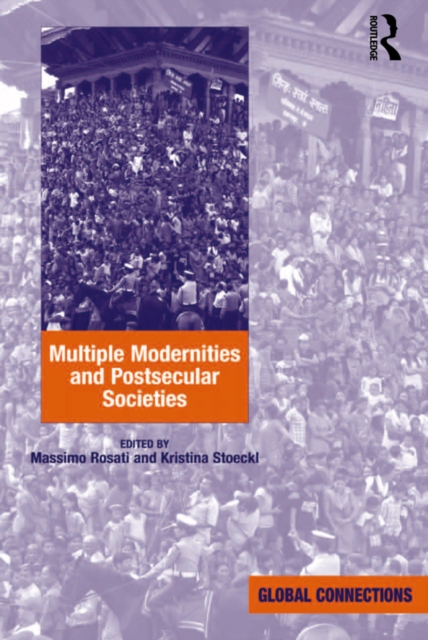
Engaging with the idea that the world reveals not one, but many routes to modernity, this volume explores the role of religion in the emergence of multiple forms of modernity, which evolve according to specific cultural conditions and interpretations of the 'modern project'.
Engaging with the idea that the world reveals not one, but many routes to modernity, this volume explores the role of religion in the emergence of multiple forms of modernity, which evolve according to specific cultural conditions and interpretations of the 'modern project'.
Minority religions, not only New Religious Movements, are explored in this innovative book including the predicament of ancient religions such as Zoroastrianism, 'old new' religions such as Baha'i, and traditional religions that are minorities elsewhere.
Minority religions, not only New Religious Movements, are explored in this innovative book including the predicament of ancient religions such as Zoroastrianism, 'old new' religions such as Baha'i, and traditional religions that are minorities elsewhere.
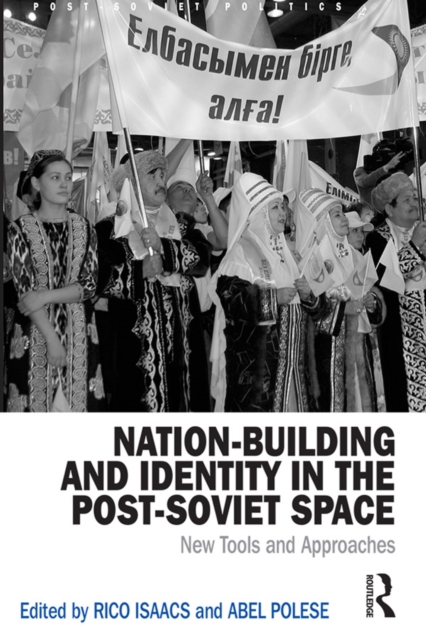
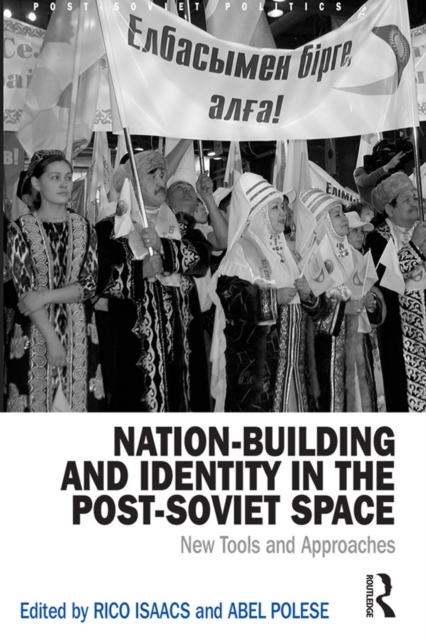
Nation-building as a process is never complete and issues related to identity, nation, state and regime-building are recurrent in the post-Soviet region.
Nation-building as a process is never complete and issues related to identity, nation, state and regime-building are recurrent in the post-Soviet region.
Non-Western Encounters with Democratization offers diverse perspectives on democracy and transition spanning the Middle East and North Africa to East Asia.
Non-Western Encounters with Democratization offers diverse perspectives on democracy and transition spanning the Middle East and North Africa to East Asia.
Primary elections for choosing party leaders and candidates are now becoming commonplace in Europe, Asia and America but questions as to how much they hinder a party's organizational strength and cohesion or affect electoral performance have largely been ignored outside of the USA.
Primary elections for choosing party leaders and candidates are now becoming commonplace in Europe, Asia and America but questions as to how much they hinder a party's organizational strength and cohesion or affect electoral performance have largely been ignored outside of the USA.
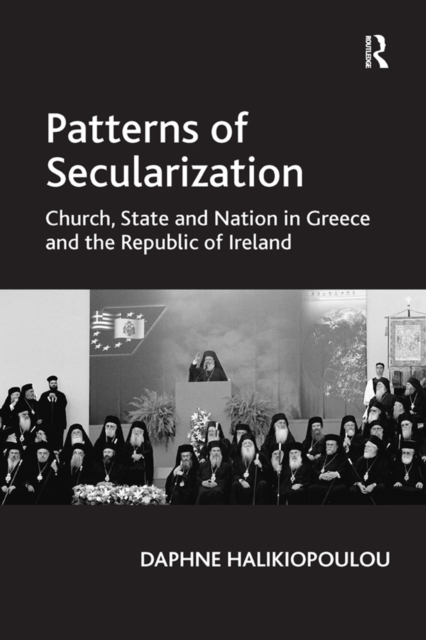
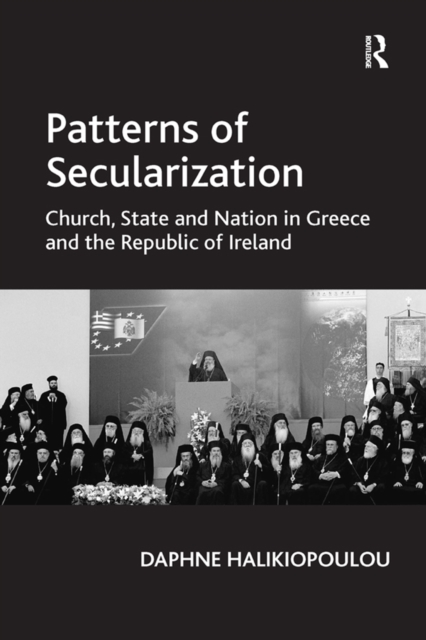
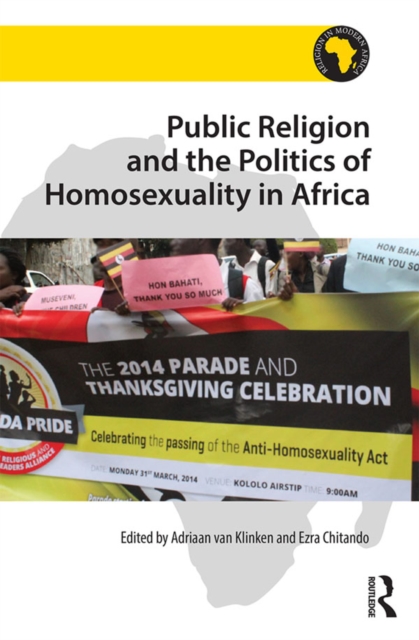
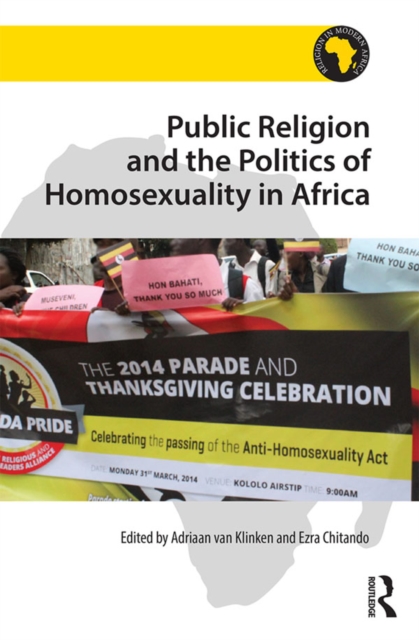
The politicization of religion is a central feature of the modern world, pointing to the continued relevance of the secularization debate: does modernization result in the decline of the social and political significance of religion or rather in a reaffirmation of religious values?
The politicization of religion is a central feature of the modern world, pointing to the continued relevance of the secularization debate: does modernization result in the decline of the social and political significance of religion or rather in a reaffirmation of religious values?
Permutations of Order makes an innovative and important contribution to current discussions about the relationship between religion and law, bringing together theoretically informed case studies from different parts of the world, relating to various types of politico-legal settings and religions.
Permutations of Order makes an innovative and important contribution to current discussions about the relationship between religion and law, bringing together theoretically informed case studies from different parts of the world, relating to various types of politico-legal settings and religions.
Political corruption adversely affects the efficiency and effectiveness of governments, slows the rate of economic development and poisons public attitudes towards the legitimacy of the state.
Political corruption adversely affects the efficiency and effectiveness of governments, slows the rate of economic development and poisons public attitudes towards the legitimacy of the state.
Political Culture (defined as the values, beliefs, and behavioral patterns underlying the political system) has long had an uneasy relationship with political science.
Political Culture (defined as the values, beliefs, and behavioral patterns underlying the political system) has long had an uneasy relationship with political science.
By drawing a new boundary between the EU and its eastern neighbours, the European Union has since 1989 created a frontier that has been popularly described in the frontier states as the new 'Berlin Wall'.
By drawing a new boundary between the EU and its eastern neighbours, the European Union has since 1989 created a frontier that has been popularly described in the frontier states as the new 'Berlin Wall'.
Over the last decade the "e;transition paradigm"e;, which is based on the conviction that authoritarian political systems would over time necessarily develop into democracies, has been subjected to serious criticism.
Over the last decade the "e;transition paradigm"e;, which is based on the conviction that authoritarian political systems would over time necessarily develop into democracies, has been subjected to serious criticism.
Based on a unique comparative study of Burundi, Rwanda, Ethiopia, Lebanon, Bosnia-Herzegovina, Nepal, Myanmar, the Philippines, and Fiji this book analyses the formal and informal arrangements defining the post-conflict political order in these countries and evaluates whether these systems strengthened or weakened the chances of establishing sustainable peace and lasting democracy.
Based on a unique comparative study of Burundi, Rwanda, Ethiopia, Lebanon, Bosnia-Herzegovina, Nepal, Myanmar, the Philippines, and Fiji this book analyses the formal and informal arrangements defining the post-conflict political order in these countries and evaluates whether these systems strengthened or weakened the chances of establishing sustainable peace and lasting democracy.
Italy's traditional subcultures - Communist, Socialist, Liberal, Republican, Right-wing - have largely dissolved and yet Catholics have retained their vitality and solidity.
Italy's traditional subcultures - Communist, Socialist, Liberal, Republican, Right-wing - have largely dissolved and yet Catholics have retained their vitality and solidity.