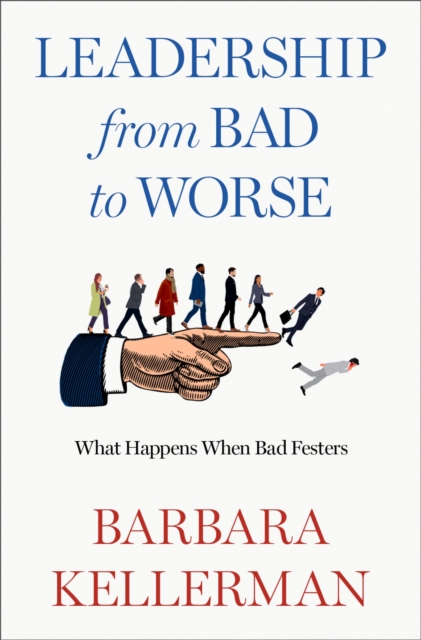
Leadership from Bad to Worse is about how leadership that is bad, invariably, inexorably, gets worse--unless it is somehow, by someone or something, stopped or slowed.
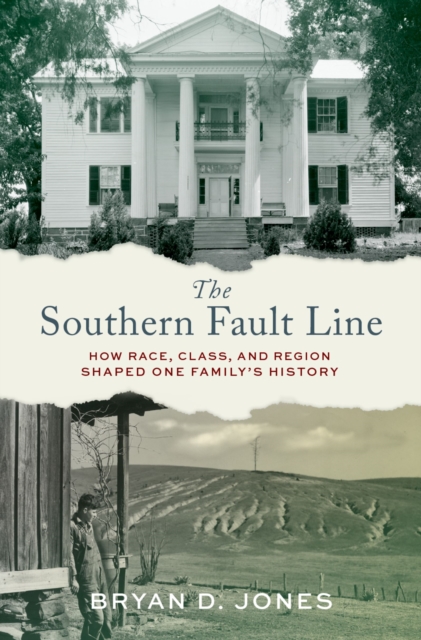
A highly original reinterpretation of how race and class shaped the entirety of Southern history through the experience of four interconnected family lines.
Leadership from Bad to Worse is about how leadership that is bad, invariably, inexorably, gets worse--unless it is somehow, by someone or something, stopped or slowed.
Introduced by presidential historian Ted Widmer, this work offers both the original texts and insightful essays by leading historians on each of the presidential inaugural addresses--from George Washington to Joseph Biden.
Building on his enormously successful first edition, Tom Nichols confirms his thesis that events, such as the COVID pandemic, prove that the assault on expertise has only intensified.
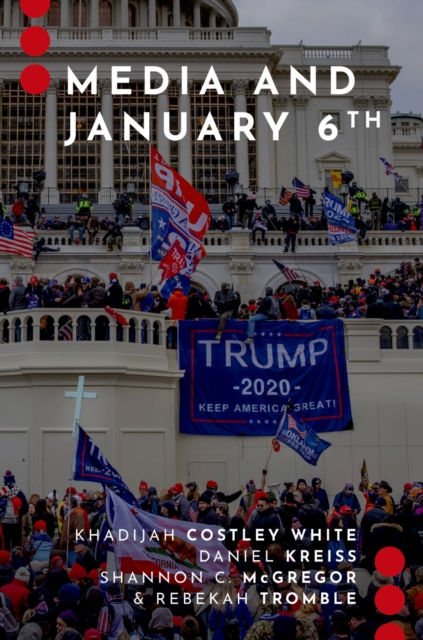
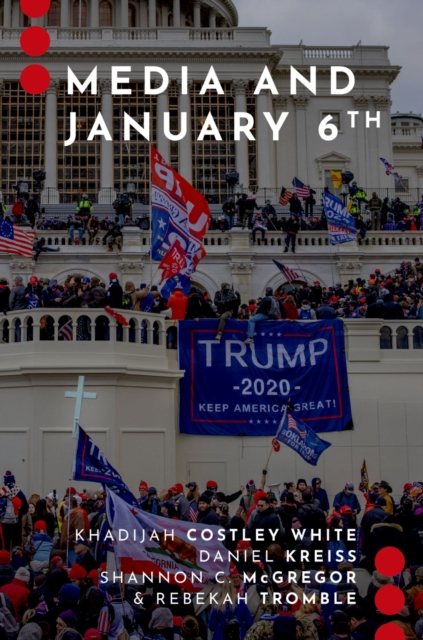
The images cast across screens across the country on January 6, 2021, laid bare the fragility of American democracy as the steps and halls of the US Capitol were inundated by a violent band of insurrectionists.
The images cast across screens across the country on January 6, 2021, laid bare the fragility of American democracy as the steps and halls of the US Capitol were inundated by a violent band of insurrectionists.
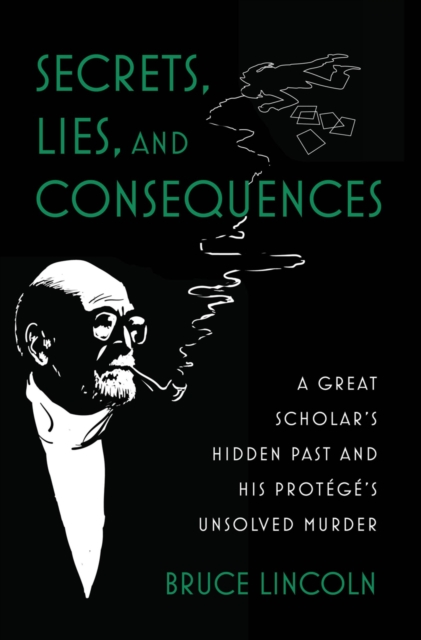
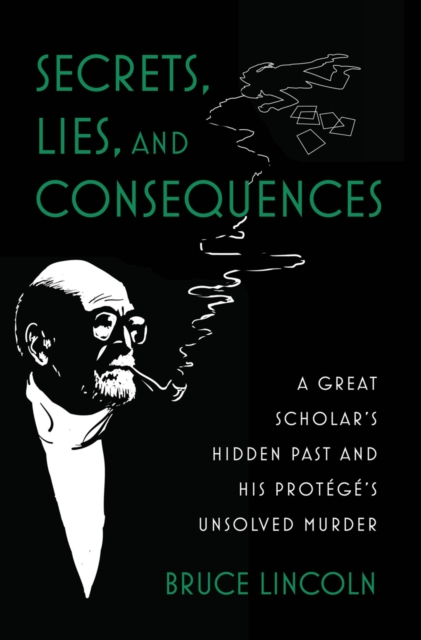
The tale of a legendary scholar, an unsolved murder, and the mysterious documents that may connect themIn early 1991, Ioan Culianu was on the precipice of a brilliant academic career.
The tale of a legendary scholar, an unsolved murder, and the mysterious documents that may connect themIn early 1991, Ioan Culianu was on the precipice of a brilliant academic career.
Building on his enormously successful first edition, Tom Nichols confirms his thesis that events, such as the COVID pandemic, prove that the assault on expertise has only intensified.
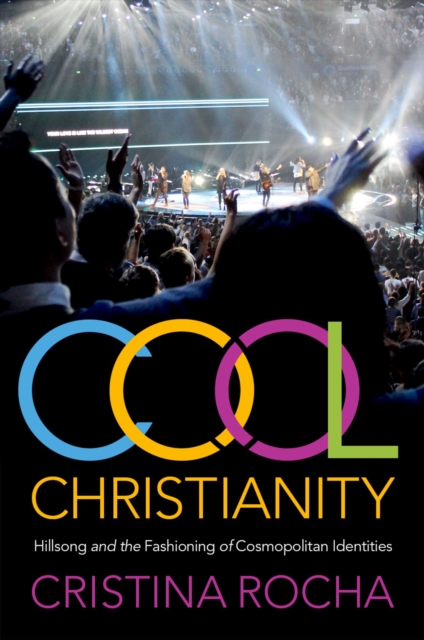
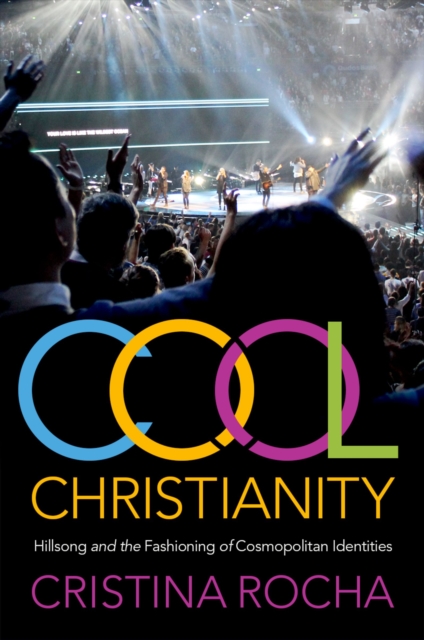
An entertaining history of the soundtrack of American evangelical ChristianityFew things frightened conservative white Protestant parents of the 1950s and the 1960s more than thought of their children falling prey to the "e;menace to Christendom"e; known as rock and roll.
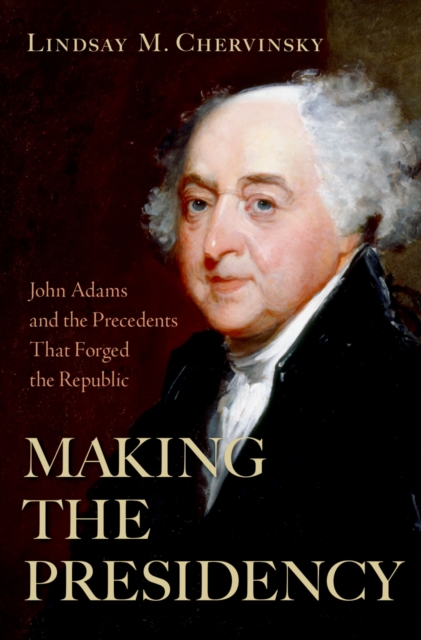
An authoritative account of the second president of the United States that shows how John Adams's leadership and legacy defined the office for those who followed and ensured the survival of the American republic.
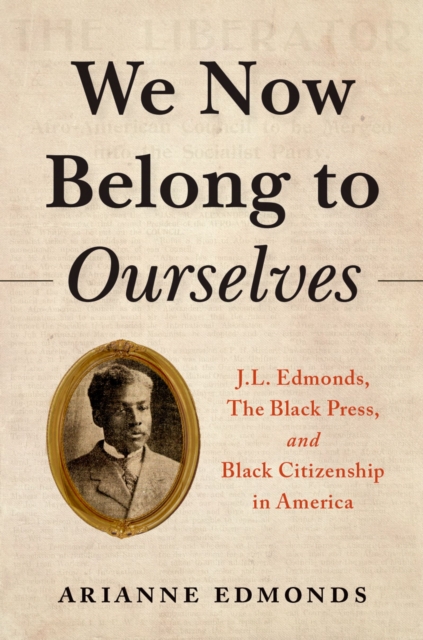
Weaving together poetry, personal narrative, and never-before-seen documents from the Jefferson Lewis Edmonds' family archive, Arianne Edmonds provides a wide-ranging look at how the Black Press of the late nineteenth and early twentieth centuries defined Black citizenship after Reconstruction, fostered networks of resistance, and set in motion critical social justice narratives that are still relevant today.
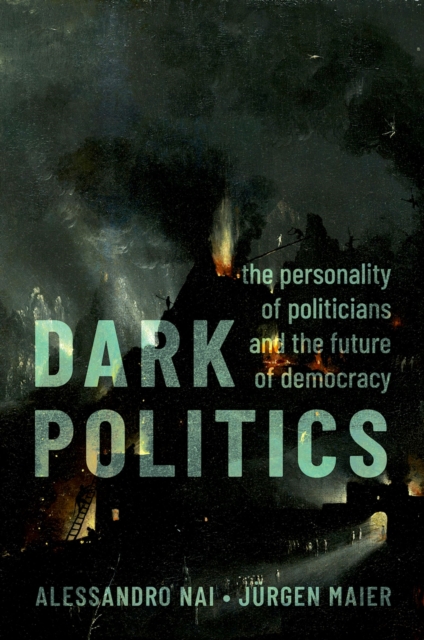
Recent years have seen the rise of political figures with particularly abrasive, controversial, and aggressive personalities, who seem to take pleasure in introducing an uncivil tone into the political debate.
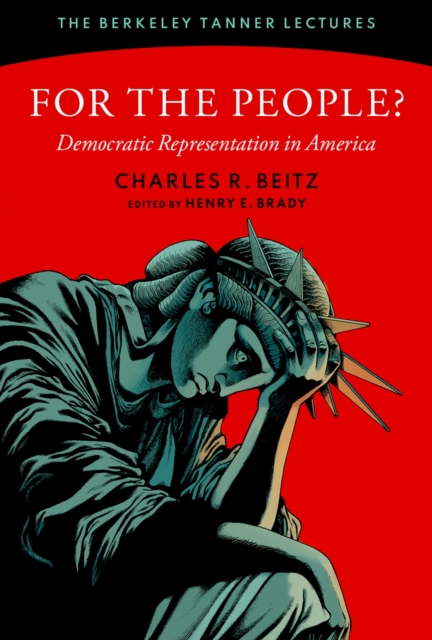
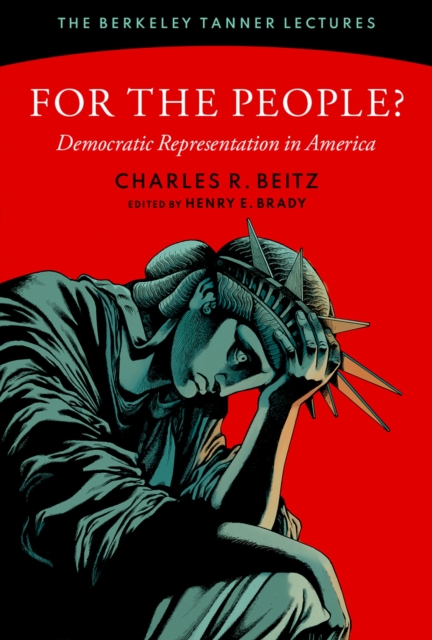
Many scholars of American government believe representative democracy is failing more systematically than even the recent spectacle of political extremism suggests.
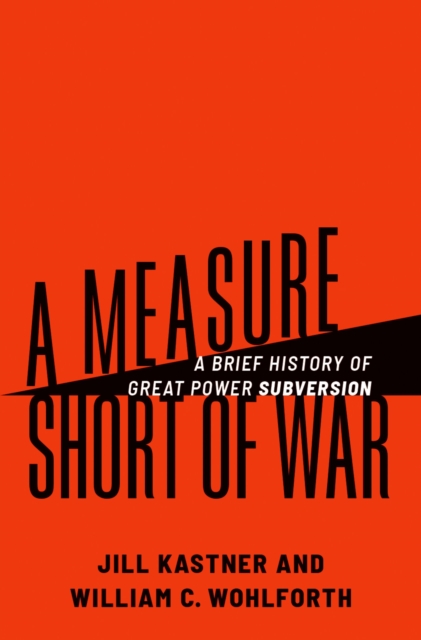
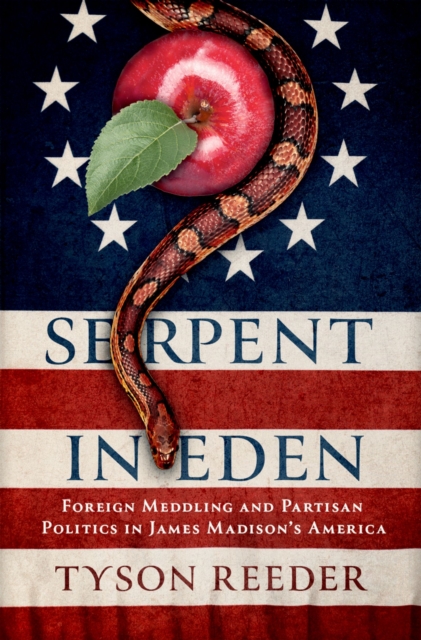
A fast-paced, gripping history of meddling, manipulation, and skulduggery among great power rivalsIn 2016, the United States was stunned by evidence of Russian meddling in the US presidential elections.
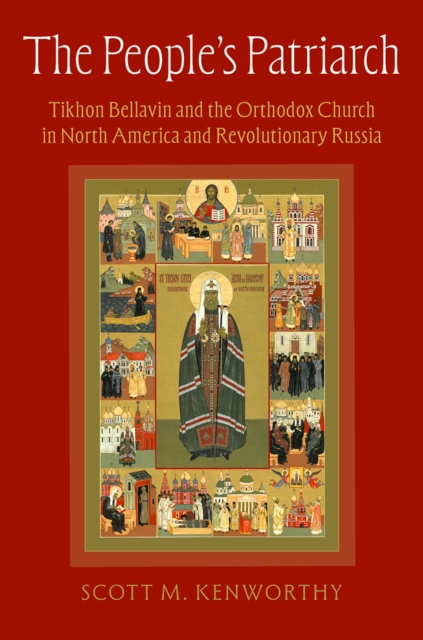
On October 28, 1917, just days after the Bolsheviks seized power, the great Council of the Russian Orthodox Church voted to restore the patriarchate, which had been abolished by Peter the Great two centuries earlier.
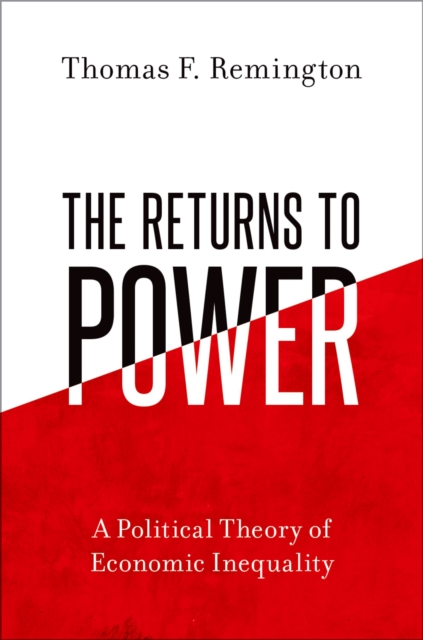
An unconventional perspective on contemporary economic inequality in America and its dangers for democracy, using comparisons with Russia, China and Germany.
This engaging history overturns the conventional wisdom about the Second Amendment--showing that the right to bear arms was not about protecting liberty but about preserving slavery.
An unconventional perspective on contemporary economic inequality in America and its dangers for democracy, using comparisons with Russia, China and Germany.
Since before the ratification of the Constitution, students, scholars, and statesmen in American politics have grappled with an important question: how powerful is the President of the United States?
Transgender rights have emerged as an important topic of everyday conversation across the country in recent years and become, in many ways, the flashpoint du jour of the American culture wars.
A highly original reinterpretation of how race and class shaped the entirety of Southern history through the experience of four interconnected family lines.
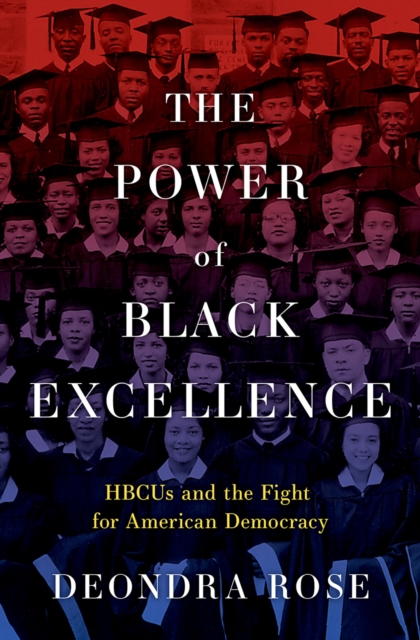
A powerful and revealing history of Historically Black Colleges and Universities (HBCUs), which have been essential for empowering Black citizens and for the ongoing fight for democracy in the US.
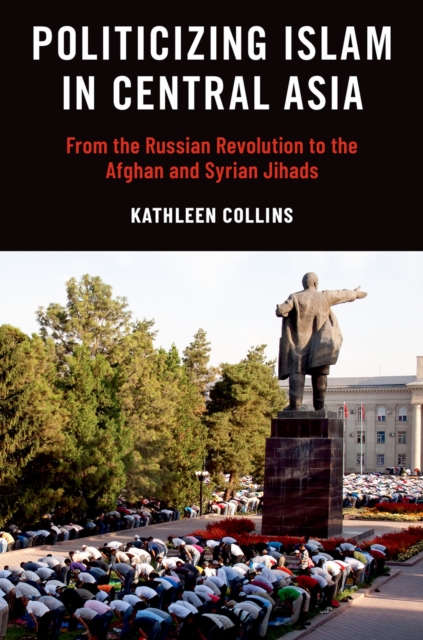
A sweeping history of Islamism in Central Asia from the Russian Revolution to the present through Soviet-era archival documents, oral histories, and a trove of interviews and focus groups.
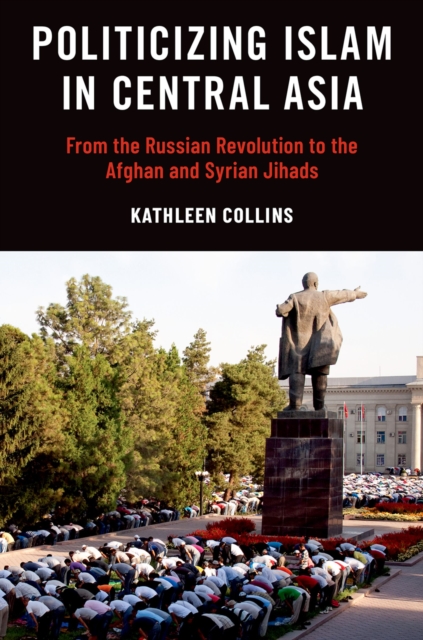
A sweeping history of Islamism in Central Asia from the Russian Revolution to the present through Soviet-era archival documents, oral histories, and a trove of interviews and focus groups.
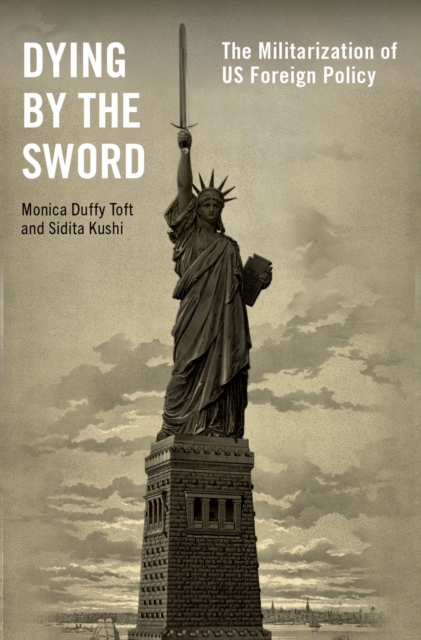
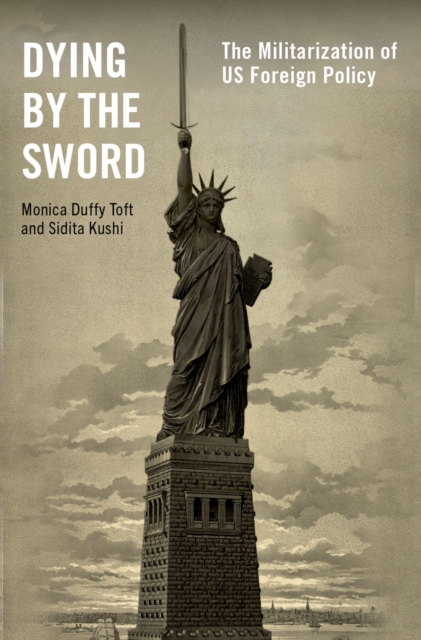
Dying by the Sword explores the US's evolving foreign policies from the Founding era to the present in order to ring the alarm on the US's increasing reliance on "e;kinetic"e; global diplomacy.
Dying by the Sword explores the US's evolving foreign policies from the Founding era to the present in order to ring the alarm on the US's increasing reliance on "e;kinetic"e; global diplomacy.
Recent years have seen the rise of political figures with particularly abrasive, controversial, and aggressive personalities, who seem to take pleasure in introducing an uncivil tone into the political debate.
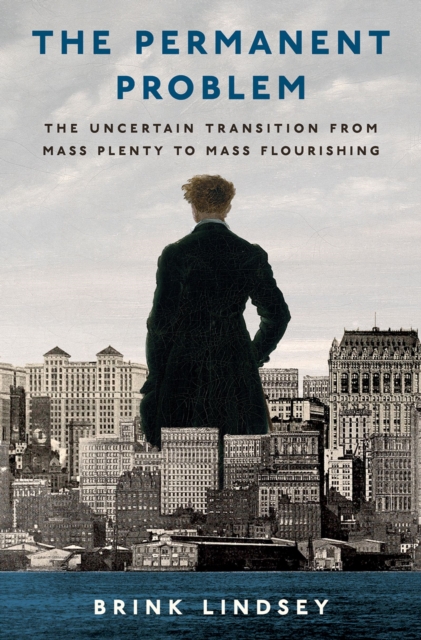
In The Permanent Problem, Brink Lindsey reshapes our understanding of the vital but complex relationship between material prosperity and human flourishing.
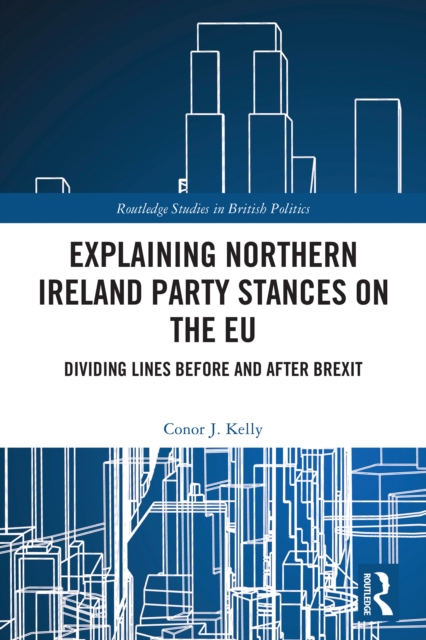
This book explores the European stances of three of Northern Ireland's political parties, culminating in one of the most tumultuous episodes in recent UK, Irish, and European politics.
Many scholars of American government believe representative democracy is failing more systematically than even the recent spectacle of political extremism suggests.