First developed by Michel Foucault more than thirty years ago, "e;governmentality"e; has become an essential set of tools for many researchers in the social and political sciences today.
First developed by Michel Foucault more than thirty years ago, "e;governmentality"e; has become an essential set of tools for many researchers in the social and political sciences today.
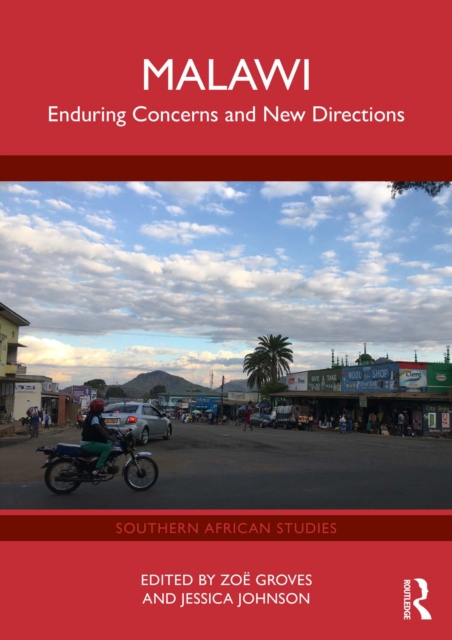
This book explores Malawi's recent history in light of longer-term historical developments, contributing important new insights to debates about migration, citizenship, chieftaincy, language, cultural practice, anti-colonialism and nationalism.
Indigeneity and Political Theory engages some of the profound challenges totraditions of modern political theory that have been posed over the past twodecades.
Indigeneity and Political Theory engages some of the profound challenges totraditions of modern political theory that have been posed over the past twodecades.
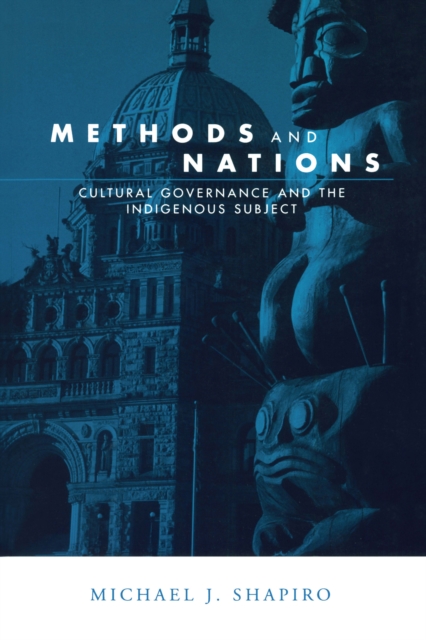
Methods and Nations critiques one of the primary deployments of twentieth-century social science: comparative politics whose major focus has been "e;nation-building"e; in the "e;Third World,"e; often attempting to universalize and render self-evident its own practices.
Methods and Nations critiques one of the primary deployments of twentieth-century social science: comparative politics whose major focus has been "e;nation-building"e; in the "e;Third World,"e; often attempting to universalize and render self-evident its own practices.
This work explores the emergence of the vocabulary of First Nations' self-government into the realm of public and parliamentary discourse in Canada during the decade of the 1970s.
This work explores the emergence of the vocabulary of First Nations' self-government into the realm of public and parliamentary discourse in Canada during the decade of the 1970s.
This work applies Jacques Derrida's framework of "e;spectropolitics"e; to (post)coloniality in order to investigate the emergence of indigenous peoples' movements, advances a poststructural approach to the analysis of liberal politics based upon the historical sociology of Michel Foucault, and critically engages the literatures on ethnic politics, critical legal studies, and multicultural democracy.
This work applies Jacques Derrida's framework of "e;spectropolitics"e; to (post)coloniality in order to investigate the emergence of indigenous peoples' movements, advances a poststructural approach to the analysis of liberal politics based upon the historical sociology of Michel Foucault, and critically engages the literatures on ethnic politics, critical legal studies, and multicultural democracy.
Using the comparative historical method, this book looks at the experience of indigenous peoples, specifically the Native Hawaiians, showing how a nation can express culture and citizenship while seeking ways to attain greater sovereignty over territory, culture, and politics.
Using the comparative historical method, this book looks at the experience of indigenous peoples, specifically the Native Hawaiians, showing how a nation can express culture and citizenship while seeking ways to attain greater sovereignty over territory, culture, and politics.
The northern Tuareg (the Tuareg of Algeria) - the nomadic, blue-veiled warlords of the Central Sahara - were finally defeated militarily by the French at the battle of Tit in 1902.
The northern Tuareg (the Tuareg of Algeria) - the nomadic, blue-veiled warlords of the Central Sahara - were finally defeated militarily by the French at the battle of Tit in 1902.
This book offers a wide-ranging account of the emerging issues of international politics in the Artic, and the emerging Geopolitical debates that surround the region.
This book offers a wide-ranging account of the emerging issues of international politics in the Artic, and the emerging Geopolitical debates that surround the region.
Nationalist theories are still controversial, while the process and frequent failures of national integration are issues of central importance in the contemporary world.
Nationalist theories are still controversial, while the process and frequent failures of national integration are issues of central importance in the contemporary world.
A major feature of the political development of Western democracies is the growth of indigenous, ethnic and national groups striving for political self-determination.
A major feature of the political development of Western democracies is the growth of indigenous, ethnic and national groups striving for political self-determination.
In his seminal essay 'Staat und Nation' ('State and Nation') Karl Renner presents his model for national-cultural autonomy, with a two-tier system of government that devolves considerable non-territorial autonomy to national communities, while sustaining the administrative unity of the Multination State.
In his seminal essay 'Staat und Nation' ('State and Nation') Karl Renner presents his model for national-cultural autonomy, with a two-tier system of government that devolves considerable non-territorial autonomy to national communities, while sustaining the administrative unity of the Multination State.
Covering a wide range of issues relating to the topic, this book examines the experiences and perceptions of indigenous peoples in the context of the national states and political systems that have been externally imposed and implemented upon them.
Covering a wide range of issues relating to the topic, this book examines the experiences and perceptions of indigenous peoples in the context of the national states and political systems that have been externally imposed and implemented upon them.
This book is a critical excavation of capitalist development that is being driven by the Global North in the modern (neo)colonial era, with a related focus on the anticolonial and anticapitalist resistance by Indigenous Peoples, peasants, and migrant workers in Africa, Asia/Middle East, and the Americas/Caribbean.