To constrain nuclear proliferation, one must, in addition to designing a proliferation-resistant nuclear fuel cycle, identify a set of long-term arms limitation and security policies for the major states.
Originally published in 1993, this volume was unique in its scope and approach: Unlike most literature on nuclear weapons proliferation at the time, the essays in this volume offer theoretical discussions and suggest testable hypotheses about the causes and effects of nuclear weapons proliferation.
Originally published in 1993, this volume was unique in its scope and approach: Unlike most literature on nuclear weapons proliferation at the time, the essays in this volume offer theoretical discussions and suggest testable hypotheses about the causes and effects of nuclear weapons proliferation.
To constrain nuclear proliferation, one must, in addition to designing a proliferation-resistant nuclear fuel cycle, identify a set of long-term arms limitation and security policies for the major states.
Originally published in 1956, atomic policy overshadowed political considerations in the same way that 'the balance of power' had mesmerized European politicians for so long.
The nuclear non-proliferation treaty had recently undergone its third formal review by its signatories, who had assessed its effectiveness and considered how it might better be implemented.
Originally published in 1985, this book explores the nuclear confrontation between East and West in Europe: where we stand, how we got there and what the future may hold.
Originally published in 1985, Deterrence in the 1980s offers analyses by leading American and Canadian scholars and decision-makers in the field of strategic studies of the current problems and dilemmas of contemporary international security with deterrence, nuclear and conventional, as the unifying conceptual theme.
Originally published in 1985, Deterrence in the 1980s offers analyses by leading American and Canadian scholars and decision-makers in the field of strategic studies of the current problems and dilemmas of contemporary international security with deterrence, nuclear and conventional, as the unifying conceptual theme.
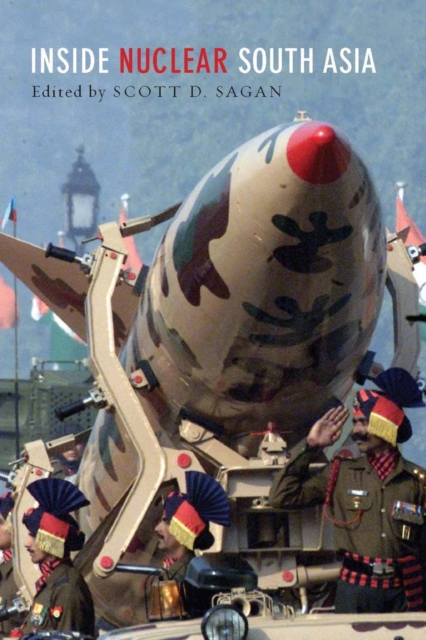
India's foreign policy, out of the structural confines of the Cold War strategic framework, has become more expansive in defining its priorities over the last few years.
India's foreign policy, out of the structural confines of the Cold War strategic framework, has become more expansive in defining its priorities over the last few years.
Using authoritative extracts from the relevant and important sources at the time, this volume, originally published in 1972, deals with the problems and difficulties of maintaining peace in the world.
Using authoritative extracts from the relevant and important sources at the time, this volume, originally published in 1972, deals with the problems and difficulties of maintaining peace in the world.
This text is designed to provide students and others with a theoretical and factual base for understanding the complex questions posed by continued reliance on nuclear weapons to protect geopolitical interests.
The contributors, representing major European Community institutions and member states, offer their assessments of the political and institutional issues influencing the formation of a common foreign and security policy for the 12 member states.
This fifth volume of annual reviews of developments in the implementation of arms control and environmental agreements and in peacekeeping activities covers recent developments.
This fifth volume of annual reviews of developments in the implementation of arms control and environmental agreements and in peacekeeping activities covers recent developments.
This text is designed to provide students and others with a theoretical and factual base for understanding the complex questions posed by continued reliance on nuclear weapons to protect geopolitical interests.
The Iranian nuclear crisis has dominated world politics since the beginning of the century, with the country now facing increasing diplomatic isolation, talk of military strikes against its nuclear facilities and a disastrous Middle East war.
When a small group of women set out to march to Greenham one summer day at the end of August 1981, none of them could have imagined that this outing would change their lives forever.
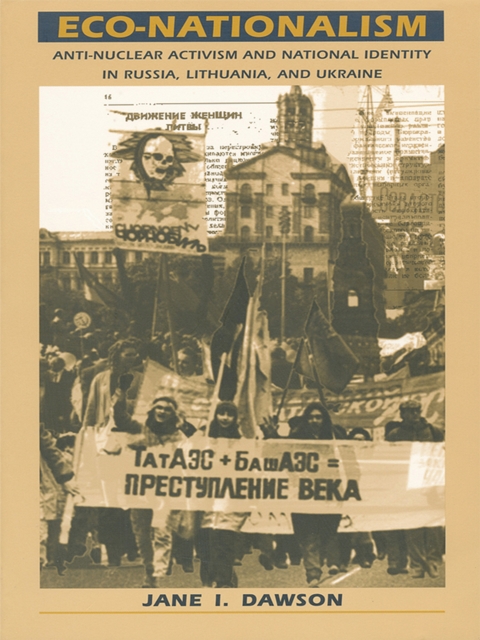
Eco-nationalism examines the spectacular rise of the anti-nuclear power movement in the former Soviet Union during the early perestroika period, its unexpected successes in the late 1980s, and its substantial decline after 1991.
International efforts to prevent the spread of weapons of mass destruction (WMD)-including nuclear, biological, and chemical weapons-rest upon foundations provided by global treaties such as the Nuclear Non-Proliferation Treaty (NPT) and the Chemical Weapons Convention (CWC).