In this work, an expert on biological weapons offers a thoughtful examination of the political and technical issues that have affected the implementation of arms control agreements from the 1960s to the present.
Despite the ongoing drawdown of strategic forces under the terms of START, both the United States and Russia maintain large arsenals of nuclear weapons poised for immediate launch.
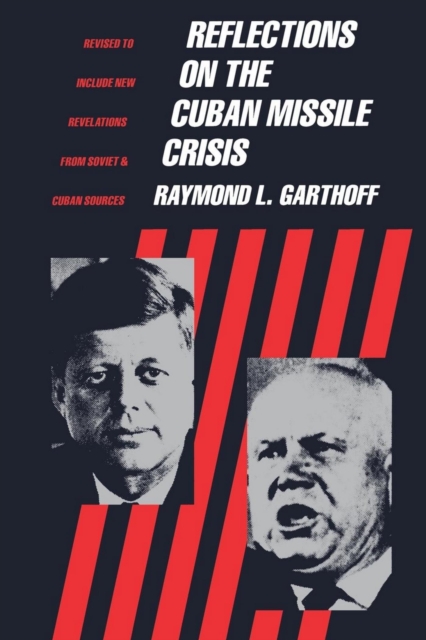
The Soviet response to the first edition of Reflections has been a prime example of the new openness under glasnost in discussing previously taboo subjects.
The possibility of a nuclear war that could destroy civilization has influenced the course of international affairs since 1945, suspended like a sword of Damocles above the heads of the world's leaders.
Die große Geschichte einer kleinen InselHelgoland, ein rauer Felsen in der Nordseebrandung und zugleich seit knapp 200 Jahren Symbol und Kampfplatz deutscher wie englischer Historie.
This edited volume provides a convenient entry point to the cutting-edge field of the international politics of technology, in an interesting and informative manner.
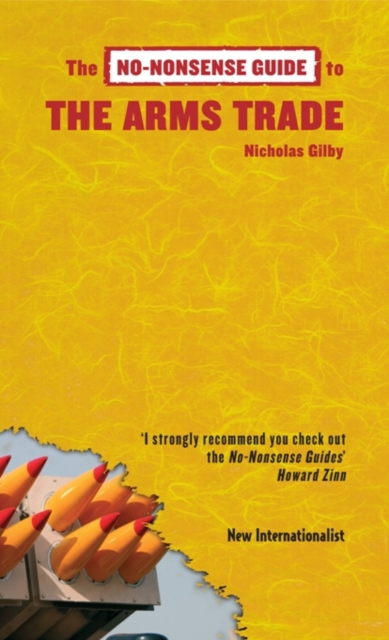
One of the few up-to-date works on the whole of the arms trade, this book puts the global trade in weapons in the context of history and includes recent controversial deals, as well as case studies on Saudi Arabia, Iraq, and Darfur.
In every decade of the nuclear era, one or two states have developed nuclear weapons despite the international community's opposition to proliferation.
Dieses Buch bietet eine pragnante Darstellung des 159 Seiten langen und auerst komplexen Iran-Atomabkommens (formell "e;Joint Comprehensive Plan of Action"e; oder JCPOA), einschlielich der rechtlichen Analyse seines Hauptinhalts, der Bedeutung von Prasident Trumps Ausstieg aus dem Abkommen und der Verknupfung des Abkommens mit einer Resolution des US-Sicherheitsrats, die die Weiterfuhrung des Abkommens sichert.
In this volume, scientists write on the desirability and feasibility of eliminating nuclear weapons, including reflections 50 years after the destruction of Hiroshima and Nagasaki by atomic bombs.
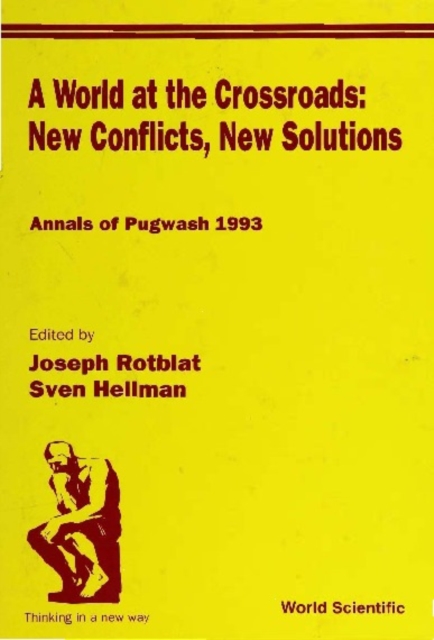
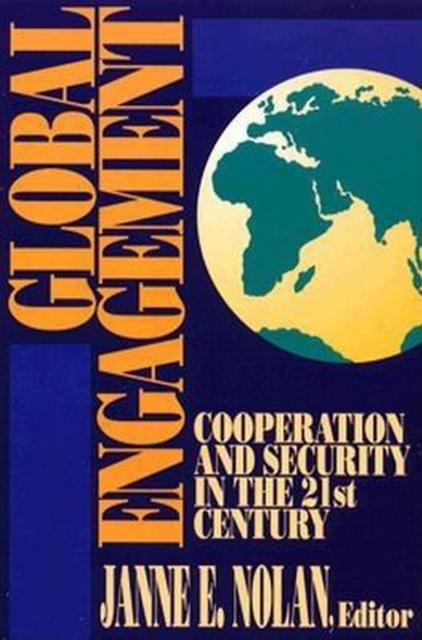
This book focuses on subjects of great topical interest, such as nuclear disarmament, trade in arms, peacekeeping and conflict resolution, environmental security and sustainability.
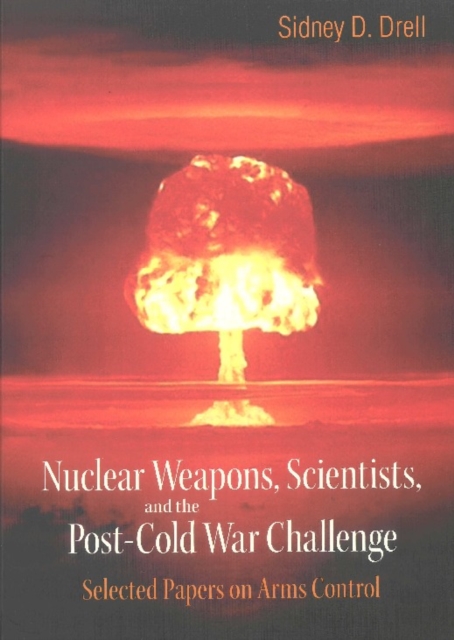
This volume includes a representative selection of Sidney Drell's recent writings and speeches (circa 1993 to the present) on public policy issues with substantial scientific components.
Este libro reúne investigaciones desarrolladas por los autores en el marco de las líneas de investigación del Centro de Pensamiento UNCaribe y del Grupo Agenda Internacional.
Más conocida por su guerra civil, Colombia es un país diestro en buscar negociaciones con guerrillas, paramilitares y narcos; pero ha sido mucho menos diestra en la construcción de unas instituciones políticas eficaces, de un territorio integrado y de una sociedad decente.
How Iran and the world around it have changed in the four decades since a revolutionary theocracy took powerIran's 1979 revolution is one of the most important events of the late twentieth century.
This book offers an exploration of ballistic missile proliferation in the Middle East and also delves into the geopolitical landscape to unveil a narrative of contemporary Middle Eastern history.
From the author of the classic The Wizards of Armageddon and Pulitzer Prize finalist comes the definitive history of American policy on nuclear warand several presidents' actions in nuclear crisesfrom Truman to Trump.
In the 2010 federal election, independent candidate Andrew Wilkie grabbed headlines after winning the seat of Denison, and with it a key role in deciding who would form the next government of Australia.
One of the few up-to-date works on the whole of the arms trade, this book puts the global trade in weapons in the context of history and includes recent controversial deals, as well as case studies on Saudi Arabia, Iraq, and Darfur.
Foreign affairs practitioners and policy analysts claim that international arms embargoes usually fail due to the lack of political will among national governments to implement and enforce these restrictions.