Taking Aim at The Arms Trade: NGOs, Global Civil Society and the World Military Order takes a critical look at the ways in which NGOs portray the arms trade as a problem of international politics and the strategies they use to effect change.
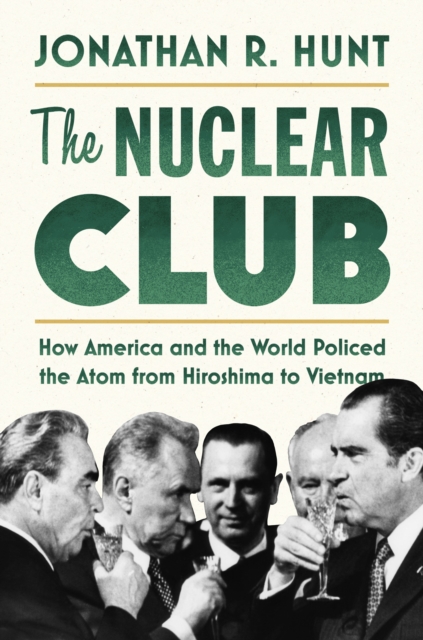
During the Cold War, many believed that the superpowers shared a conception of strategic stability, a coexistence where both sides would compete for global influence but would be deterred from using nuclear weapons.
Recent discoveries in psychology and neuroscience have improved our understanding of why our decision making processes fail to match standard social science assumptions about rationality.
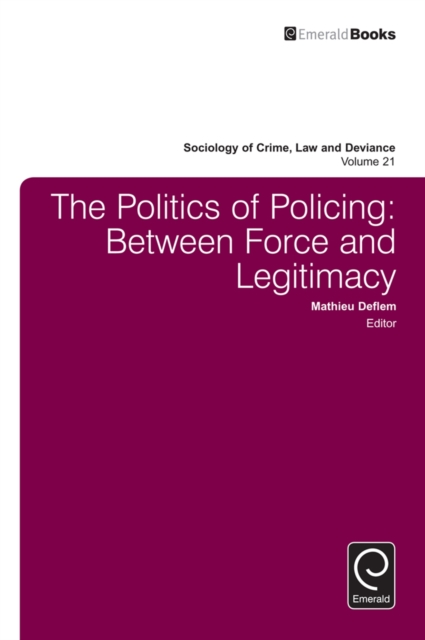
This volume in the series Sociology of Crime, Law, and Deviance edited by Mathieu Deflem addresses contemporary issues of policing with a focus on the characteristics of police power as a coercive force in society and its continued need for legitimacy in a democratic social order.
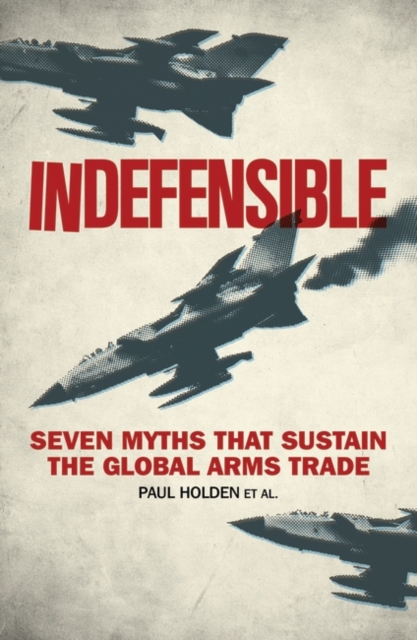
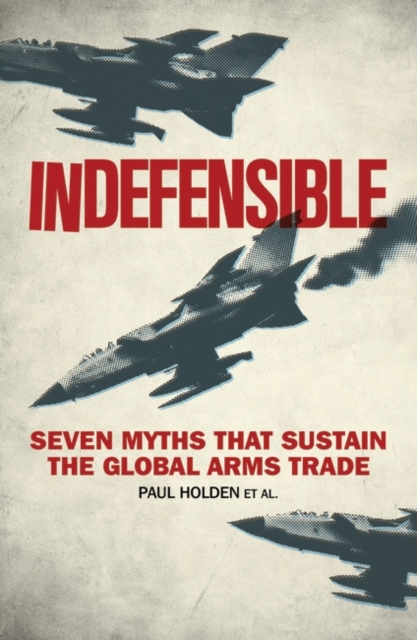
Although there is often opposition to individual wars, most people continue to believe that the arms industry is necessary in some form: to safeguard our security, provide jobs and stimulate the economy.
Although there is often opposition to individual wars, most people continue to believe that the arms industry is necessary in some form: to safeguard our security, provide jobs and stimulate the economy.
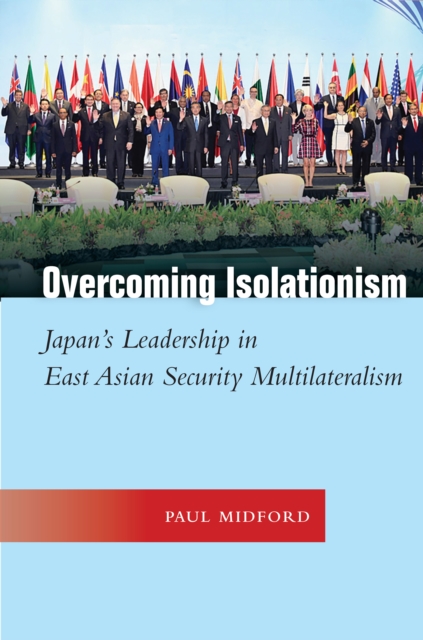
This book provides the first comprehensive overview of Japan's arms control policy, unilateral and multilateral, analyzing its origins and later development.
In an age where anthrax can be produced in a garage and multilateral agreements among nations seem ever harder to reach, the threat of biowarfare could rapidly spiral out of control.
"e;Nobody approaches the objectivity and precision of Bush and O'Hanlon when it comes to analysis of the military and political dimensions of the Taiwan issue.
The closest we've ever come to the end of the world"e;DEFCON-2 is the best single volume on the Cuban Missile Crisis published and is an important contribution to the history of the Cold War.
Since 2001, the United States has endured a tumultuous period, one dominated by the 9/11 attacks and all that has followed: the war on terrorism, the Afghan and Iraqi campaigns, looming confrontations with known or suspected proliferators of weapons of mass destruction, and episodic explosions of mass violence in chronically unstable regions.
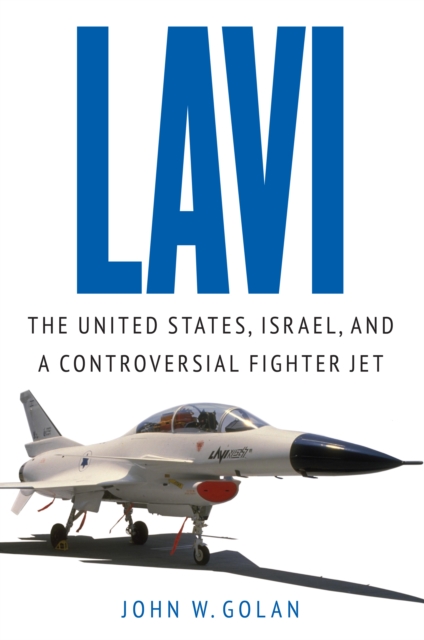
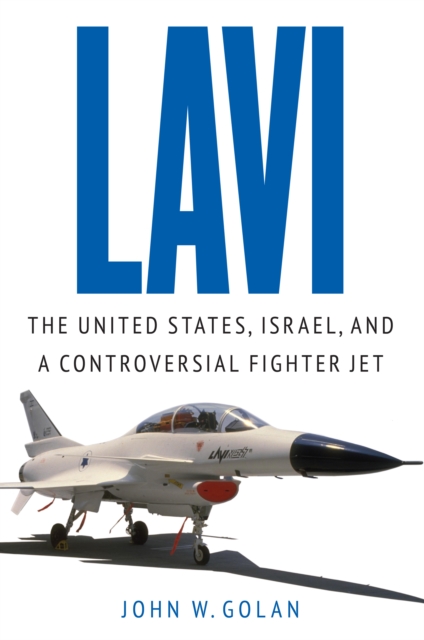
The Lavi fighter program, the largest weapons-development effort ever undertaken by the State of Israel, envisioned a new generation of high-performance aircraft.
The Lavi fighter program, the largest weapons-development effort ever undertaken by the State of Israel, envisioned a new generation of high-performance aircraft.
Since 2001, the United States has endured a tumultuous period, one dominated by the 9/11 attacks and all that has followed: the war on terrorism, the Afghan and Iraqi campaigns, looming confrontations with known or suspected proliferators of weapons of mass destruction, and episodic explosions of mass violence in chronically unstable regions.
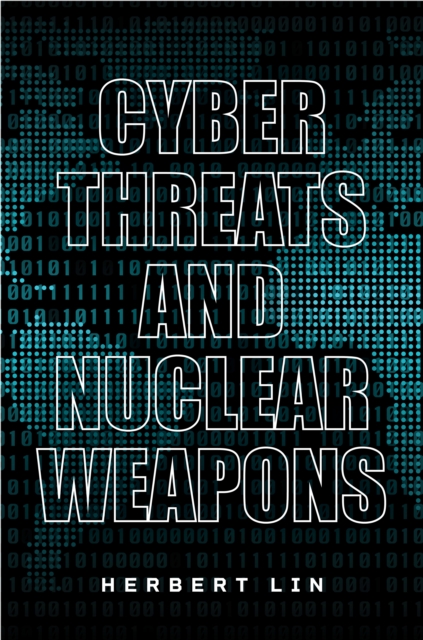
While the world’s attention is focused on the nuclearization of North Korea and Iran and the nuclear brinkmanship between India and Pakistan, China is believed to have doubled the size of its nuclear arsenal, making it “the forgotten nuclear power,” as described in Foreign Affairs.
While the world’s attention is focused on the nuclearization of North Korea and Iran and the nuclear brinkmanship between India and Pakistan, China is believed to have doubled the size of its nuclear arsenal, making it “the forgotten nuclear power,” as described in Foreign Affairs.
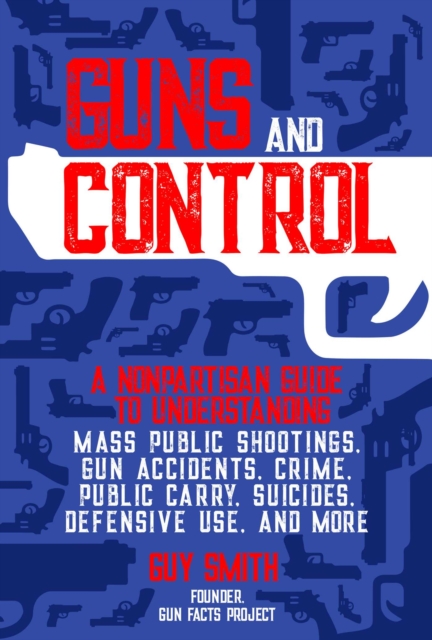
Whether newly-freed slaves could be trusted to own firearms was in great dispute in 1866, and the ramifications of this issue reverberate in today's gun-control debate.
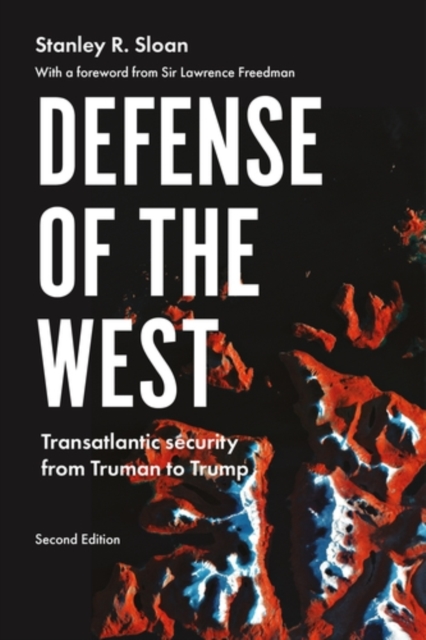
Written in a lively and readable style by the world's leading authority on the North Atlantic Treaty Organization and US-European relations, Defense of the West is the history of a transatlantic security relationship that has endured for over seventy years.
Written in a lively and readable style by the world's leading authority on the North Atlantic Treaty Organization and US-European relations, Defense of the West is the history of a transatlantic security relationship that has endured for over seventy years.
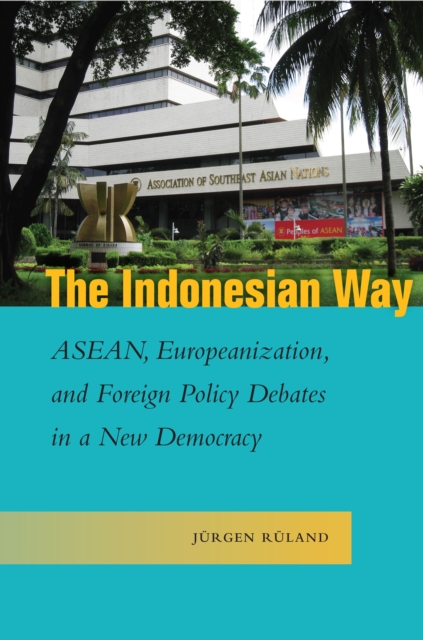
On December 31, 2015, the ten-member Association of Southeast Asian Nations (ASEAN) ushered in a new era with the founding of the ASEAN Community (AC).
Given recent controversies over suspected WMD programs in proliferating countries, there is an increasingly urgent need for effective monitoring and verification regimes-the international mechanisms, including on-site inspections, intended in part to clarify the status of WMD programs in suspected proliferators.
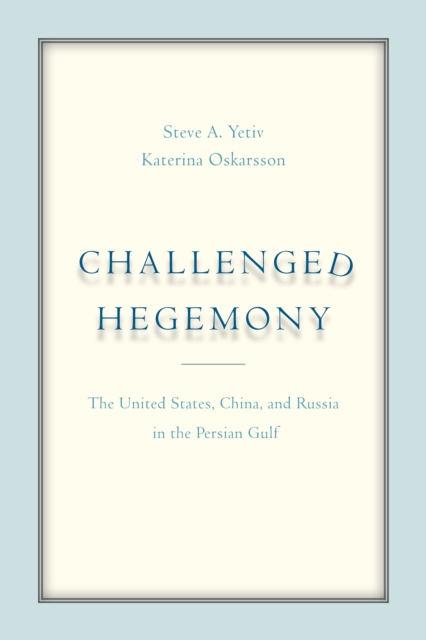
Few issues in international affairs and energy security animate thinkers more than the classic topic of hegemony, and the case of the Persian Gulf presents particularly fertile ground for considering this concept.