This book uses the 'strategic-relational approach' to explain how the Labour governments of Tony Blair and Gordon Brown integrated the United Kingdom into the US ballistic missile defence system in order to maintain national security and to uphold the 'special relationship' while at the same time recognising that voters were in general opposed to missile defence.
This book uses the 'strategic-relational approach' to explain how the Labour governments of Tony Blair and Gordon Brown integrated the United Kingdom into the US ballistic missile defence system in order to maintain national security and to uphold the 'special relationship' while at the same time recognising that voters were in general opposed to missile defence.
The Soviet Union in the Third World (1981) analyses Soviet objectives in the developing world, the instruments of foreign policy employed and their success and failure, the implications of Soviet foreign policy for the international system in general and the US foreign and defence policies in particular.
The Soviet Union and India (1989) examines the costs and benefits to the Soviet Union of its substantial economic and military involvement with India, and assesses how India fits into Soviet policies towards southwest Asia and China.
Turkism and the Soviets (1957) uses Turkish, Russian and Western sources to present a remarkable study of the Turkish world and its importance in international relations.
Soviet-East European Relations as a Problem for the West (1987) analyses the evolution of Eastern Europe both internally and in its relationship with the Soviet Union, the development of relations between the two superpowers, and the equilibrium between the two security systems.
Soviet Risk-Taking and Crisis Behavior, first published in 1982, examines the question: for what purposes and under what conditions were Soviet leaders prepared to take risks in international relations?
Soviet Foreign Policy Today (1991) is the culmination of almost 30 years of observations of Soviet foreign and domestic politics, written at the time of Gorbachev's great changes.
The Soviet Union in the Third World (1981) analyses Soviet objectives in the developing world, the instruments of foreign policy employed and their success and failure, the implications of Soviet foreign policy for the international system in general and the US foreign and defence policies in particular.
The Soviet Union and India (1989) examines the costs and benefits to the Soviet Union of its substantial economic and military involvement with India, and assesses how India fits into Soviet policies towards southwest Asia and China.
Turkism and the Soviets (1957) uses Turkish, Russian and Western sources to present a remarkable study of the Turkish world and its importance in international relations.
Soviet-East European Relations as a Problem for the West (1987) analyses the evolution of Eastern Europe both internally and in its relationship with the Soviet Union, the development of relations between the two superpowers, and the equilibrium between the two security systems.
Soviet Risk-Taking and Crisis Behavior, first published in 1982, examines the question: for what purposes and under what conditions were Soviet leaders prepared to take risks in international relations?
Soviet Foreign Policy Today (1991) is the culmination of almost 30 years of observations of Soviet foreign and domestic politics, written at the time of Gorbachev's great changes.
The New Communist Third World (1982) discuss the economic policies of the Soviet Union towards the countries of the developing world adopting a Marxist-Leninist form of government.
The New Communist Third World (1982) discuss the economic policies of the Soviet Union towards the countries of the developing world adopting a Marxist-Leninist form of government.
Gorbachev's Third World Dilemmas (1989) examines the strategic, political and ideological criteria which shaped Soviet policies toward the developing world.
Commonwealth and Independence in Post-Soviet Eurasia (1998) examines the various attempts to create new forms of integration by the new states of Eurasia.
Gorbachev's Third World Dilemmas (1989) examines the strategic, political and ideological criteria which shaped Soviet policies toward the developing world.
Commonwealth and Independence in Post-Soviet Eurasia (1998) examines the various attempts to create new forms of integration by the new states of Eurasia.
The Afghan Syndrome (1982) analyses and interprets the 1979 Soviet military intervention in Afghanistan and also examines its effects on America, China, India, Pakistan and other Islamic nations.
The Afghan Syndrome (1982) analyses and interprets the 1979 Soviet military intervention in Afghanistan and also examines its effects on America, China, India, Pakistan and other Islamic nations.
This book delves into Turkey's increasing ethno-religious, pragmatic, and complicated involvement and activism in the Balkans since 2002, under the Justice and Development Party (Adalet ve Kalkinma Partisi - AKP).
This book delves into Turkey's increasing ethno-religious, pragmatic, and complicated involvement and activism in the Balkans since 2002, under the Justice and Development Party (Adalet ve Kalkinma Partisi - AKP).
Megatrends of World Politics identifies globalization, integration, and democratization as three key trends shaping the future of world politics and international relations, and demonstrates their effects in today's global processes.
Megatrends of World Politics identifies globalization, integration, and democratization as three key trends shaping the future of world politics and international relations, and demonstrates their effects in today's global processes.
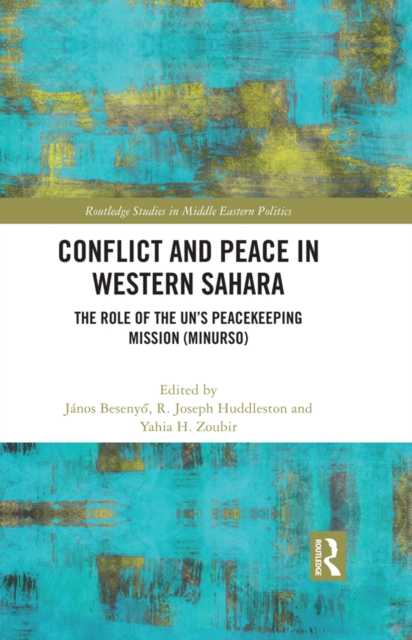
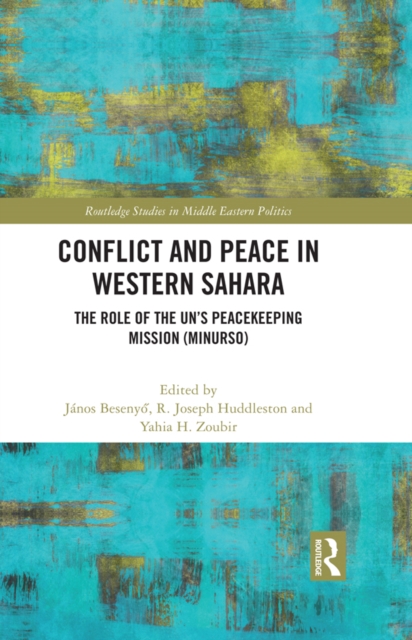
This book offers the first comprehensive analysis of MINURSO (the United Nations Mission for the Referendum in Western Sahara), focused on its activities, composition, purpose, and operational future in Western Sahara, the world's last colony.
This book offers the first comprehensive analysis of MINURSO (the United Nations Mission for the Referendum in Western Sahara), focused on its activities, composition, purpose, and operational future in Western Sahara, the world's last colony.
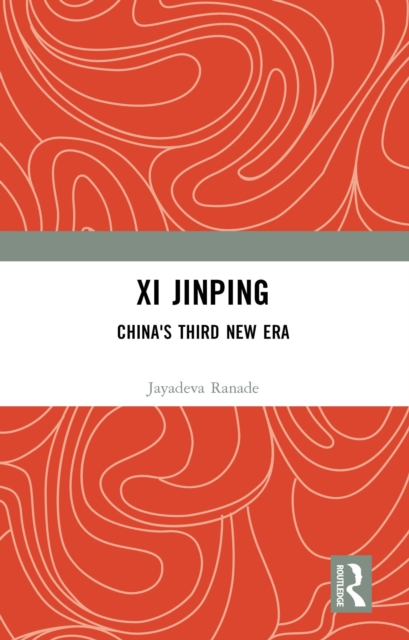
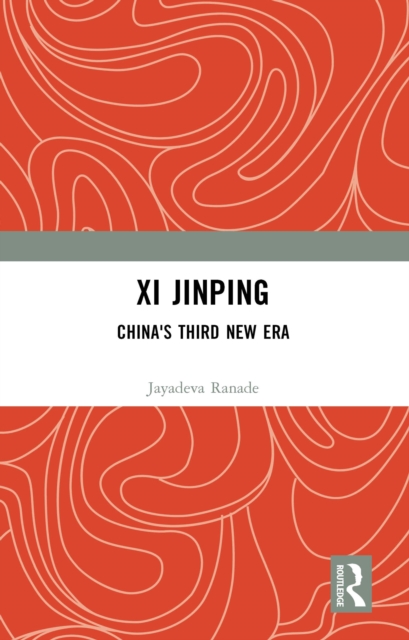
As its title 'Xi Jinping: China's Third New Era' suggests, the book covers the period mid-June 2017 till the end of 2020-a period when, Xi Jinping's acolytes claim, China had already embarked on a third thirty-year era under his leadership, like those of Mao and Deng before him.
As its title 'Xi Jinping: China's Third New Era' suggests, the book covers the period mid-June 2017 till the end of 2020-a period when, Xi Jinping's acolytes claim, China had already embarked on a third thirty-year era under his leadership, like those of Mao and Deng before him.
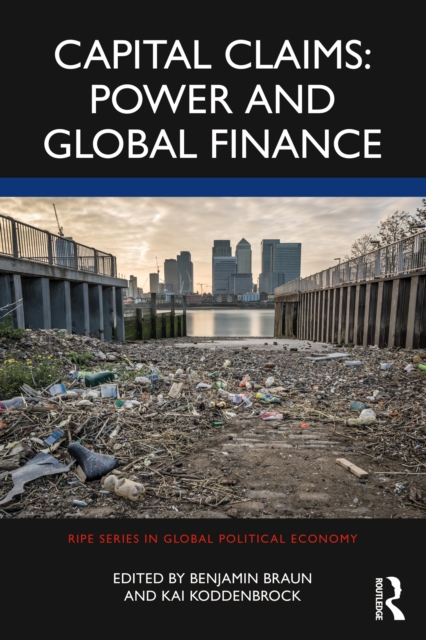
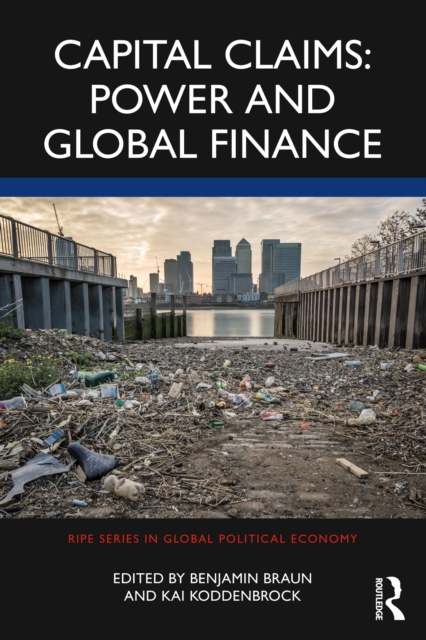
Capital Claims: Power and Global Finance analyses how global financialized capitalism operates and reproduces itself, exploring the remarkable ability of the financial sector to maintain its dominance through even the most severe economic crises.
Capital Claims: Power and Global Finance analyses how global financialized capitalism operates and reproduces itself, exploring the remarkable ability of the financial sector to maintain its dominance through even the most severe economic crises.
This book marks the first comprehensive examination of contemporary British influence in Oman and Bahrain, analysing Britain's legacy since the official withdrawal from the Gulf in 1971.
This book marks the first comprehensive examination of contemporary British influence in Oman and Bahrain, analysing Britain's legacy since the official withdrawal from the Gulf in 1971.
Aslam and Gunaratna bring together a broad analysis of the responses of states in Asia to the threats presented by the COVID-19 pandemic in its early phase.
Aslam and Gunaratna bring together a broad analysis of the responses of states in Asia to the threats presented by the COVID-19 pandemic in its early phase.
First published in 1987, Siberia examines the developments in the different sectors of Siberian economy and discusses the role of this vast and little-known region in the Soviet Union's overall economic and defence strategy.
First published in 1987, Siberia examines the developments in the different sectors of Siberian economy and discusses the role of this vast and little-known region in the Soviet Union's overall economic and defence strategy.