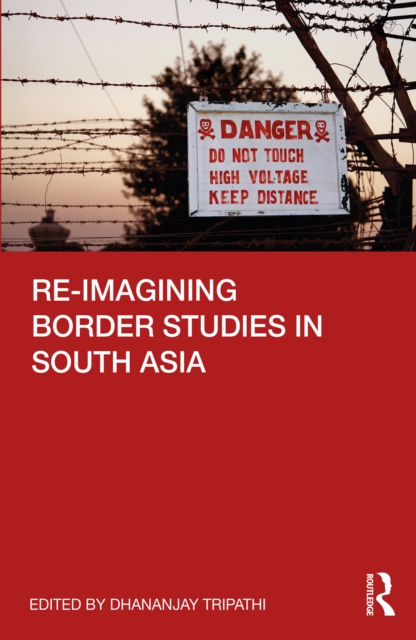
This book provides a rich analysis of the actors and organizations to reflect on the antecedents and trajectories of terrorism and insurgency in South Asia, and the different countermeasures adopted by the countries to deal with the security and developmental challenges.
This book provides a rich analysis of the actors and organizations to reflect on the antecedents and trajectories of terrorism and insurgency in South Asia, and the different countermeasures adopted by the countries to deal with the security and developmental challenges.
The Transcaucasian Democratic Federative Republic (TDFR) was a unique, bottom-up, and a fleeting display of political unity and federalism among the main Armenian, Azerbaijani and Georgian political factions between 22 April 1918, when it declared its independence, and 26 May 1918, when it was dissolved and replaced by the three nation-states of Armenia, Azerbaijan and Georgia.
The Transcaucasian Democratic Federative Republic (TDFR) was a unique, bottom-up, and a fleeting display of political unity and federalism among the main Armenian, Azerbaijani and Georgian political factions between 22 April 1918, when it declared its independence, and 26 May 1918, when it was dissolved and replaced by the three nation-states of Armenia, Azerbaijan and Georgia.
This book explores how far messianism, the conviction that Russia has a special historical destiny, is present in, and affects, Russian foreign policy.
This book explores how far messianism, the conviction that Russia has a special historical destiny, is present in, and affects, Russian foreign policy.
This edited volume rethinks the relationship between power and law in the age of China's rise by examining recent developments in the South China Sea (SCS).
This edited volume rethinks the relationship between power and law in the age of China's rise by examining recent developments in the South China Sea (SCS).
This volume interrogates the mediatized politics of western intervention in Afghanistan, to gain a deeper understanding of the occupation within the broader transition toward a multipolar global order.
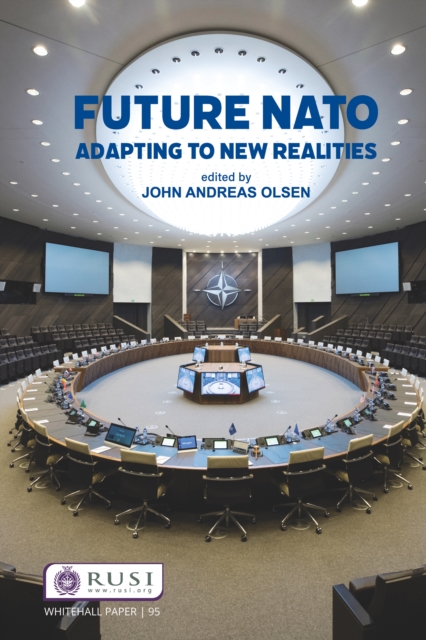
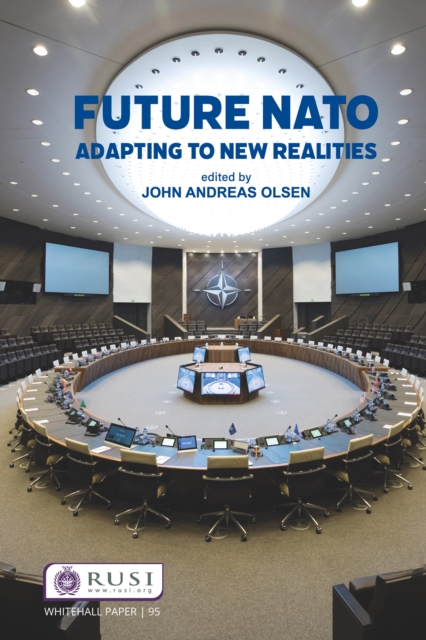
Future NATO looks at the challenges facing NATO in the 21st century and examines how the Alliance can adapt to ensure its continued successFor more than 70 years, the North Atlantic Alliance has helped to preserve peace and stability in the Euro-Atlantic area.
Future NATO looks at the challenges facing NATO in the 21st century and examines how the Alliance can adapt to ensure its continued successFor more than 70 years, the North Atlantic Alliance has helped to preserve peace and stability in the Euro-Atlantic area.
First published in 1984, The Mediterranean Region considers the broad economic and political problems facing the region from a variety of perspectives.
First published in 1984, The Mediterranean Region considers the broad economic and political problems facing the region from a variety of perspectives.
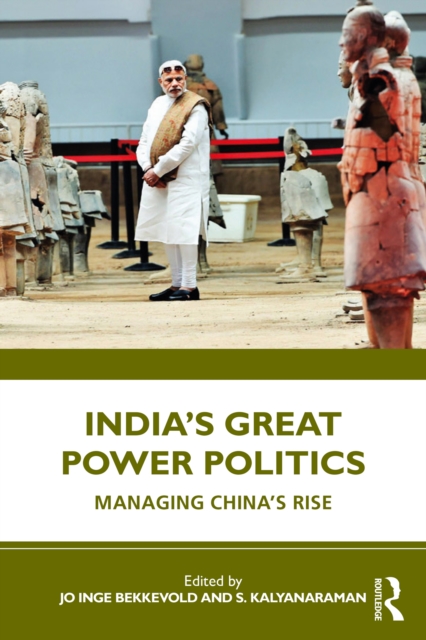
This book examines India's foreign and defence policy changes in response to China's growing economic and military power and increased footprint across the Indo-Pacific.
This study examines the extent to which new political thinking has been applied to Soviet policy in the Middle East and aims to speculate about the possible impact of any changes on patterns of international relations in the region.
This book is intended not so much to supply new information concerning the external activities of the English-speaking Caribbean countries as to fill a large gap in the growing literature on the subject by integrating the known information into an analytical framework or model as a first step toward theory building.
Between June 1967 and the end of 1973, most independent Black African states abandoned their neutral position in the Middle East conflict, cut their ties with Israel, and gave full support to the political aims of the Arab states.
The Angolan War of 1975-1976 focused international attention on an area -long relegated to the sidelines of world diplomacy and accented the historical momentum toward black control of southern African states.
"e;As the number of peacekeeping efforts conducted internationally under the aegis of military forces increases, thers is more pressure to resolve the dilemma inherent in all peacekeeping activities-how to combine efficiency with legitimacy.
The enormous potential for destruction that lies latent in nuclear technology inevitably gives rise to the possibility of nuclear terrorism-the use of nuclear explosives or radioactivity by insurgent groups.
This volume surveys efforts by China's post-Mao leadership to adopt modern technology in China's industrial and economic sectors while focusing new attention on an increasingly obsolescent defense structure.