Recent events in Afghanistan and Poland, as well as the Twenty-Sixth Party Congress, have raised questions about the future direction of the Warsaw Treaty Organization.
This volume is the result of a joint effort on the part of European and American scholars to describe and analyze the nature and the role of the European Community on the threshold of the 1990s.
This book assesses the dynamics of Europeanization within the Western Alliance in the 1980s, that is, the process of change whereby the key West European states have come to play a growing role within the Alliance.
This book presents the work of leading experts from Austria, Finland, Sweden, and Switzerland on the changing opportunities and challenges faced by the neutral states of Europe.
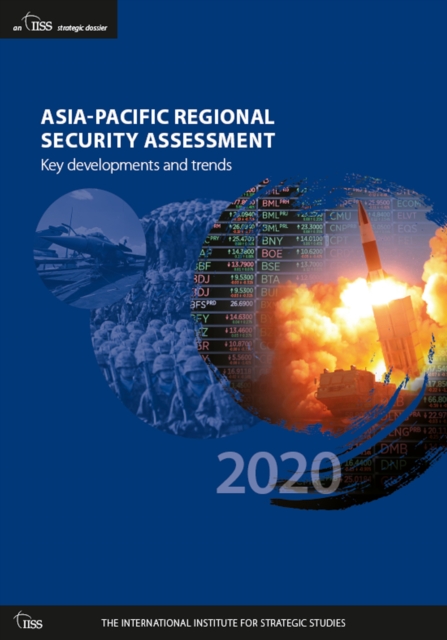
As the nations of the Pacific Ocean region experience rapid economic growth, they have begun to recognize the vast potential benefits of regional interdependence.
This book explores France's African intervention policy and related legitimation strategies through the United Nations, the European Union, and various ad hoc multilateral frameworks.
This book explores France's African intervention policy and related legitimation strategies through the United Nations, the European Union, and various ad hoc multilateral frameworks.
This book historically maps and examines the evolving, contemporary geostrategic and geopolitical imperatives of the United States within Pakistan and the South Asian region, especially after September 11, 2001.
This book historically maps and examines the evolving, contemporary geostrategic and geopolitical imperatives of the United States within Pakistan and the South Asian region, especially after September 11, 2001.
The Collected Papers of Bertrand Russell, Volume 26 covers a period of transition in Russell's political life between his orthodox and sometimes pugnacious defence of the West in the early post-war, and the dissenting advocacy of nuclear disarmament and detente that started in earnest in the mid-1950s.
The Collected Papers of Bertrand Russell, Volume 26 covers a period of transition in Russell's political life between his orthodox and sometimes pugnacious defence of the West in the early post-war, and the dissenting advocacy of nuclear disarmament and detente that started in earnest in the mid-1950s.
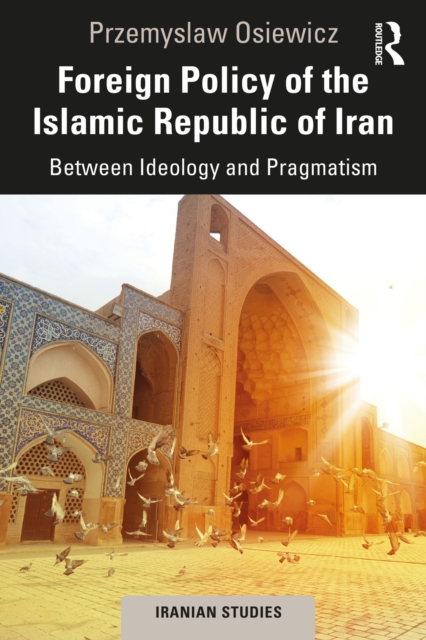
Providing a well-balanced and impartial perspective on the foreign policy of the Islamic Republic of Iran, this book contributes to a better understanding of the current foreign policy of Iran, especially its internal and external determinants.
Providing a well-balanced and impartial perspective on the foreign policy of the Islamic Republic of Iran, this book contributes to a better understanding of the current foreign policy of Iran, especially its internal and external determinants.
Utilizing the principle of reciprocity, Reciprocity and China's Transboundary Waters: The Law of International Watercourses analyses the past, present and future of the law of international watercourses with a particular focus on China.
Utilizing the principle of reciprocity, Reciprocity and China's Transboundary Waters: The Law of International Watercourses analyses the past, present and future of the law of international watercourses with a particular focus on China.
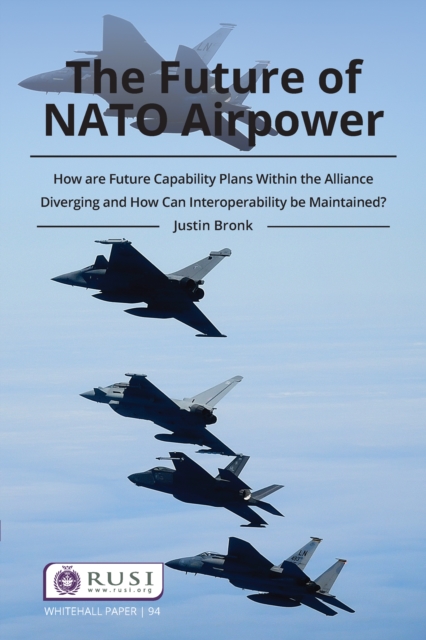
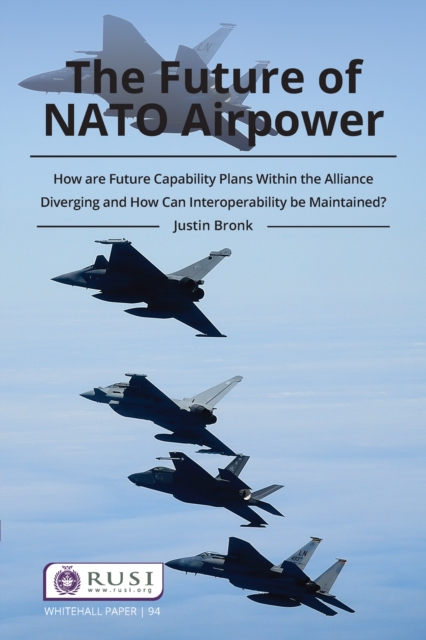
Airpower remains the cornerstone of NATO's military advantage, so maintaining the ability to win air superiority over peer opponents in a conflict is key to long-term deterrence stability in both Europe and the Pacific.
Airpower remains the cornerstone of NATO's military advantage, so maintaining the ability to win air superiority over peer opponents in a conflict is key to long-term deterrence stability in both Europe and the Pacific.
This book demonstrates how infrastructure projects and the communications thereof are strategized by rising powers to envision progress, to enhance the actor's international identity, and to substantiate and leverage the actor's vision of international order.
This book demonstrates how infrastructure projects and the communications thereof are strategized by rising powers to envision progress, to enhance the actor's international identity, and to substantiate and leverage the actor's vision of international order.
This book argues that China's international socialization of the political elites of Belt and Road Initiative (BRI) partner states is an exceptionally effective instrument of China's current foreign policy.
This book argues that China's international socialization of the political elites of Belt and Road Initiative (BRI) partner states is an exceptionally effective instrument of China's current foreign policy.
China's Belt and Road Initiatives (BRI) is an ambitious infrastructure project conceived in 2013 by President Xi Jinping with development and investment initiatives stretching from Asia and Europe that reflect the original Silk Road with business networks through countries such as Afghanistan, Kazakhstan, Kyrgyzstan, Tajikistan, Turkmenistan, and Uzbekistan, as well as India and Pakistan, spanning a route of more than 4,000 miles and history that can be dated back more than 2,200 years.
China's Belt and Road Initiatives (BRI) is an ambitious infrastructure project conceived in 2013 by President Xi Jinping with development and investment initiatives stretching from Asia and Europe that reflect the original Silk Road with business networks through countries such as Afghanistan, Kazakhstan, Kyrgyzstan, Tajikistan, Turkmenistan, and Uzbekistan, as well as India and Pakistan, spanning a route of more than 4,000 miles and history that can be dated back more than 2,200 years.