At a time of fear and anxiety, leading writers offer reassurance by looking at twenty ways the response to the coronavirus pandemic could make the world a better place.
The purpose and location of frontiers affect all human societies in the contemporary world - this book offers an introduction to them and the issues they raise.
From the Palestinian struggle against Israeli Apartheid, to First Nations' mass campaigns against pipeline construction in North America, Indigenous peoples are at the forefront of some of the crucial struggles of our age.
This volume examines how urban potentiality emerges in performances that reclaim the city, acting as an emancipatory force when dominant patterns of urban behaviour are thrown into crisis.
We are in an era marked by rapid geopolitical shifts and evolving security challenges, the need for a comprehensive understanding of intelligence failures and strategic surprises has never been more critical.
How foreign lending weakens emerging nationsIn the nineteenth century, many developing countries turned to the credit houses of Europe for sovereign loans to balance their books and weather major fiscal shocks such as war.
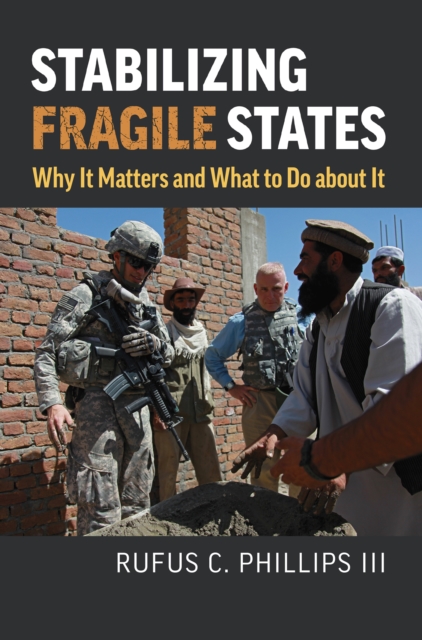
Stabilizing Fragile States: Why It Matters and What to Do About It is a masterclass on intervening to help fragile states stabilize in the face of internal challenges that threaten national security and how the United States can do better at less cost with improved chances of success.
When Nikita Khrushchev toured America in 1959the first Russian leader ever to set foot in the Western Hemisphere, let alone the United Statesthe country was enjoying a period of unprecedented prosperity, just as the Cold War and the possibility of thermonuclear annihilation were causing widespread, bone-deep dread throughout the land.
How to sustain an international system of cooperation in the midst of geopolitical struggleCan the international economic and legal system survive today's fractured geopolitics?
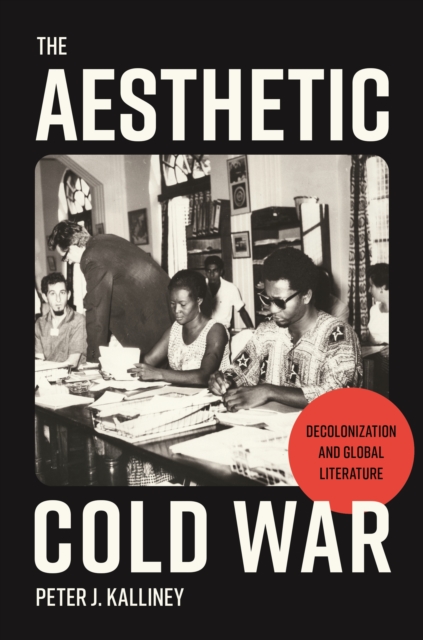
How decolonization and the cold war influenced literature from Africa, Asia, and the CaribbeanHow did superpower competition and the cold war affect writers in the decolonizing world?
Following the acclaim for The End of the Free Market, Ian Bremmer is back with Every Nation for Itself, where he addresses the next big issue for the shifting world economy.
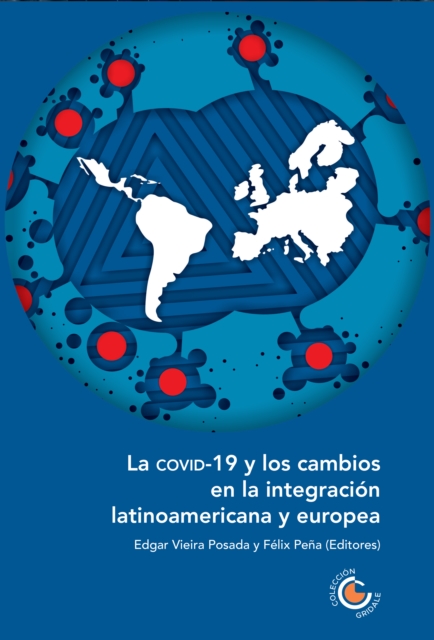
La pandemia de la covid-19 ha significado un momento de reflexión para los procesos de integración de América Latina, los cuales se han visto desbordados por su impacto y consecuencias ante la falta de respuestas multilaterales, colaborativas y consensuadas, al preferir actuar de manera individual con prevalencia de soberanías nacionales sobre una actuación de soberanías compartidas.
Borders represent an intriguing paradox as globalization continues to leap barriers at a vigorous pace, merging economies and cultures through world trade, economic integration, the mass media, the Internet, and increasingly mobile populations.
This collection investigates the conflictual relationship between the Islamic world and Western civilization, looking at its history as key to understanding its present.
Stabilizing Fragile States: Why It Matters and What to Do About It is a masterclass on intervening to help fragile states stabilize in the face of internal challenges that threaten national security and how the United States can do better at less cost with improved chances of success.
This book presents a systematic comparison of the military strategies pursued by five great powers, eight major middle powers and eight middle powers during the early twenty-first century.
This book analyzes the influence of geography- defined broadly to refer to physical size, location, terrain, accessibility, insularity, climate, regions, neighborhoods, natural endowment, strategic pathways, maritime and continental orientations and even imagined communities- on international relations.
Developed out of the author's own substantial teaching experience, this introduction to political geography approaches its subject matter from the standpoint of political economy and the politics of difference.
Linked by ethnic and religious affinities to two post-Cold War crisis areas-the former Soviet Union and Yugoslavia-Turkey is positioned to play an influential role in the promotion of regional economic cooperation and in taking new approaches to security.
The issues raised by the Iraq War are symptomatic of larger phenomena that will continue to preoccupy American foreign policy makers well into the twenty-first century.
The conflict between Hungary and Slovakia over the Gabcikovo-Nagymaros dam system on the Danube is a potentially explosive threat to regional stability along this key economic artery between the North Sea and the Black Sea.
As environmental security gains increasing attention, there is a pressing need for rigorous examinations of environmental causes of conflict and the potential for conflict resolution.
The study of Latin American and Caribbean international relations has a long evolution both within the development of international relations as a general academic undertaking and in terms of the particular characteristics that distinguish the approaches taken by scholars in the field.
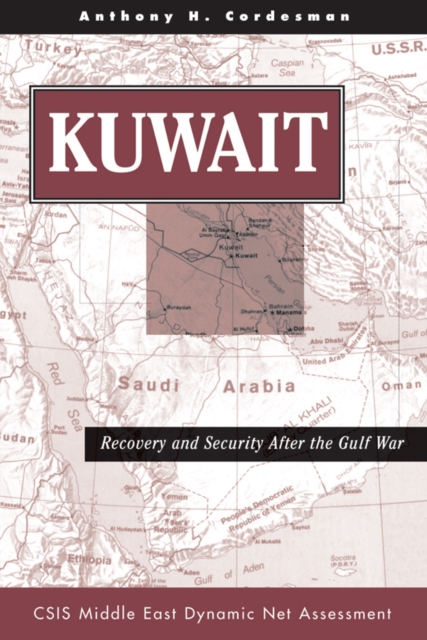
With the thoroughness that this recently spotlighted nation requires, this volume examines Kuwaits internal and external security situation after the turbulent days of the Gulf War and investigates continued Western involvement in its safekeeping.
This book deals with a variety of issues of history, of national security, and of political economy, and focuses on the need for a dynamic perspective.
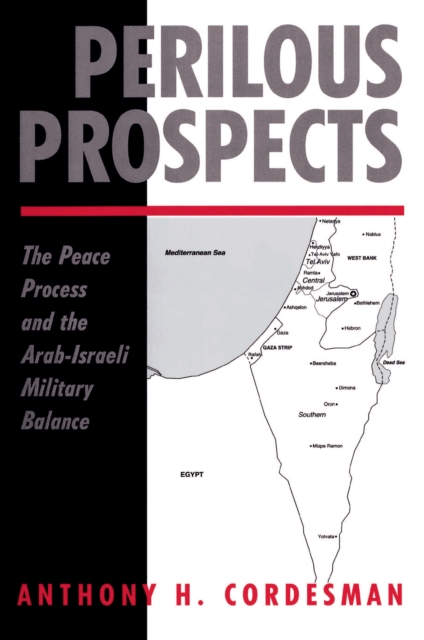
In this book, the author supplies the first account of the military and security concerns arising out of the Israeli-Palestinian peace process and the recent assassination of Prime Minister Rabin, considering a number of possible futures for the region and their effects on the peace process.
A survey of international relations, this benchmark text explains concepts of global order from the Westphalian system to current issues in international relations.
This book offers an up-to-date analysis of the foreign policies of Latin American Nations and its international positioning in world politics, evaluating the impact of changes in the global community, on the hemisphere, and on individual states.