Discussing Pax Germanica: The Rise and Limits of German Hegemony in European Integration examines and reconsiders Germany's paramount role in shaping European integration from the aftermath of World War II to the present.
How Iran and the world around it have changed in the four decades since a revolutionary theocracy took powerIran's 1979 revolution is one of the most important events of the late twentieth century.
Global and Regional Strategies in the Middle East explores hegemony in the Middle East through understanding different dimensions of power politics and the consequences of the hegemonic ambitions of both global and regional powers.
Although the term national interest has long been used in reference to the foreign policy goals of nations, there has been no generally agreed upon definition of the concept; as a result, Donald E.
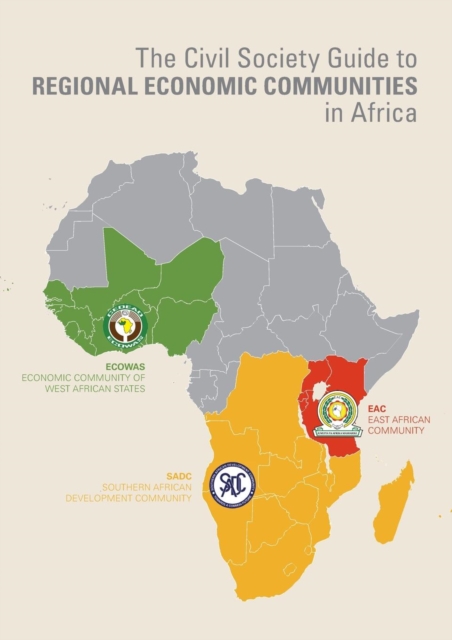
Since 1963, when the African integration project was born, regional Economic Communities (RECs) have been an indispensable part of the continent,s deeper socioeconomic and political integration.
Updated edition, covering Brexit, Trump, Xi's ambitions for China, and the geopolitical implications of the COVID-19 pandemicEverything Australia wants to achieve as a country depends on its capacity to understand the world outside and to respond effectively to it.
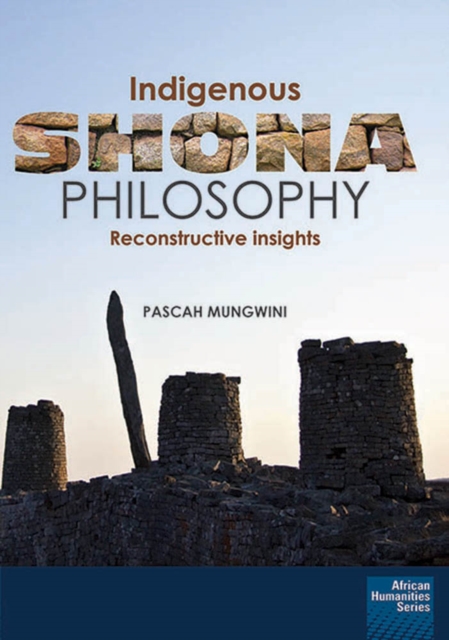
Some of the most provocative questions confronting philosophers in Africa are grounded in the historical memory of conquest and the peripheralisation the continent.
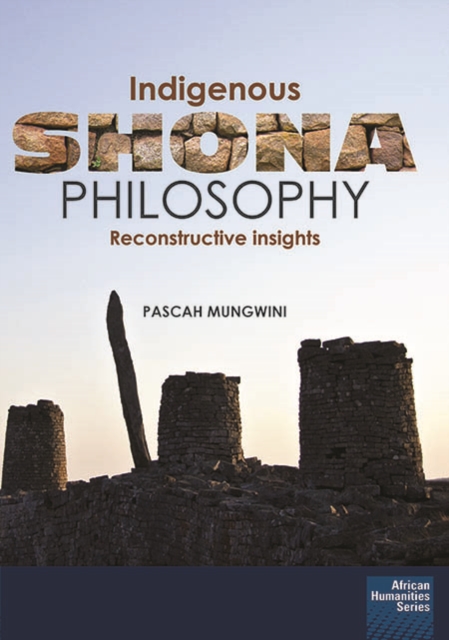
Some of the most provocative questions confronting philosophers in Africa are grounded in the historical memory of conquest and the peripheralisation the continent.
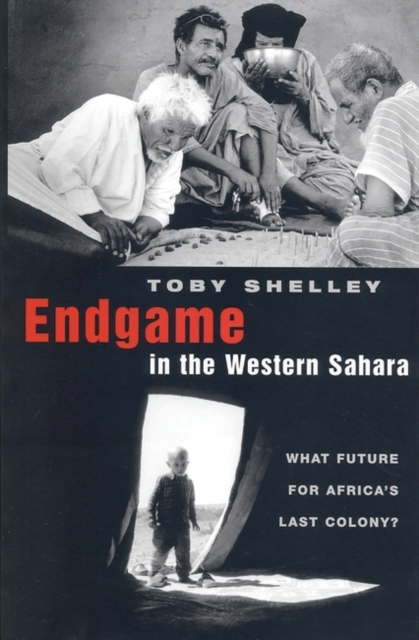
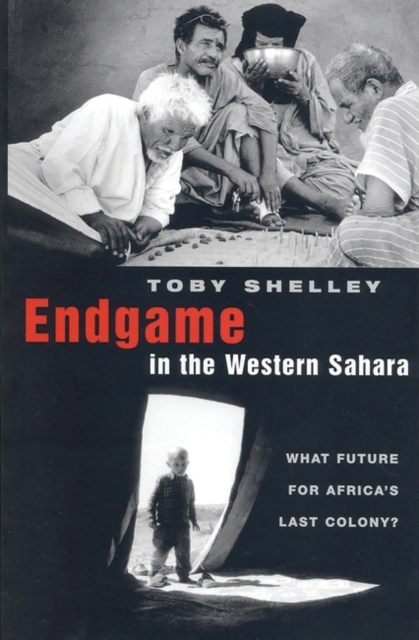
The Sahara: a dream-like, far away landscape of Lawrence of Arabia and Wilfred Thesiger, The English Patient and Star Wars, and home to nomadic communities whose ways of life stretch back millennia.
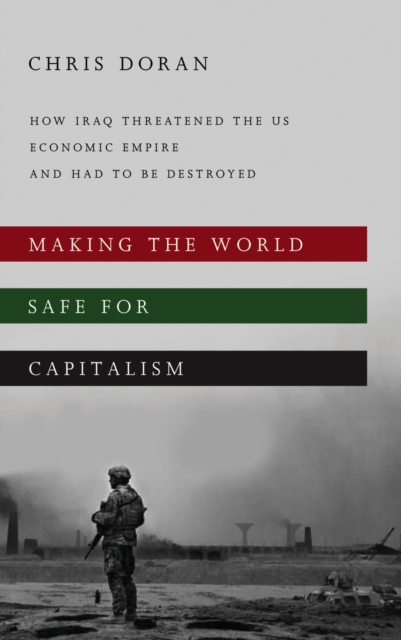
The Iraq war defined the first decade of the twenty-first century - leading to mass protests and raising profound questions about domestic politics and the use of military force.
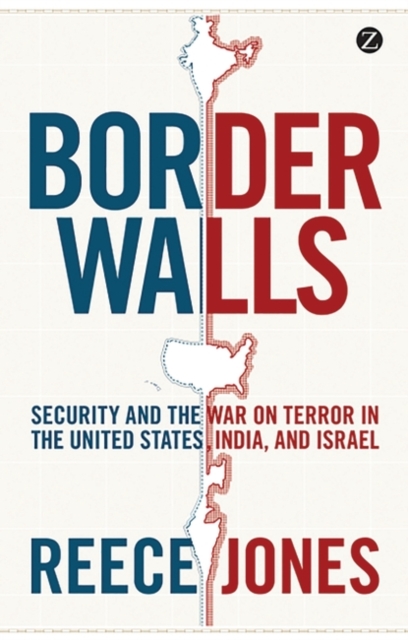
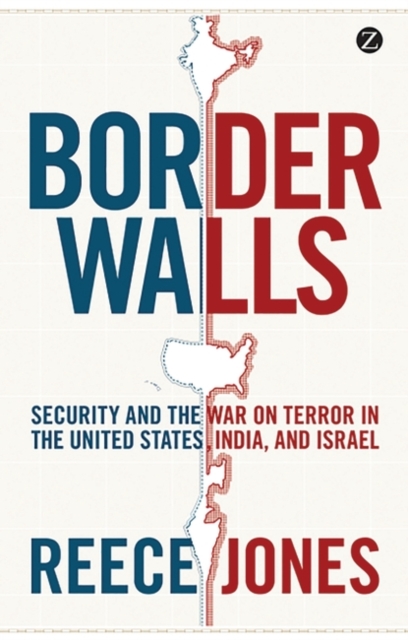
*** Winner of the 2013 Julian Minghi Outstanding Research Award presented at the American Association of Geographers annual meeting ***Two decades after the fall of the Berlin Wall, why are leading democracies like the United States, India, and Israel building massive walls and fences on their borders?
*** Winner of the 2013 Julian Minghi Outstanding Research Award presented at the American Association of Geographers annual meeting ***Two decades after the fall of the Berlin Wall, why are leading democracies like the United States, India, and Israel building massive walls and fences on their borders?
Feminist International Relations Through a Technospatial Lens is a rich, thought-provoking and wide-ranging assessment of power and empowerment in the digital age.
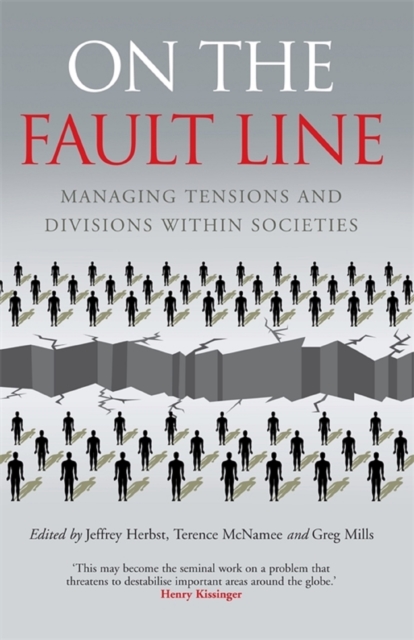
Societies in all countries are split by major divisions - or 'faultlines' - caused by differences in race, religion, ethnicity, wealth, class or power.
In August 2002 the National Council of the Resistance in Iran (NCRI) revealed in Washington to a stunned world how advanced Iran's nuclear programme was.