In this smart and concise examination of the trends driving contemporary globalization, Jan Nederveen Pieterse argues that the United States' pursuit of global primacy is based upon a complex melding of neoliberal economics and hegemonic politics.
Challenging the conventional view that globalization embodies a new and inexorable process, this book analyzes the political foundations and choices involved in contemporary arrangements in the world.
Challenging the conventional view that globalization embodies a new and inexorable process, this book analyzes the political foundations and choices involved in contemporary arrangements in the world.
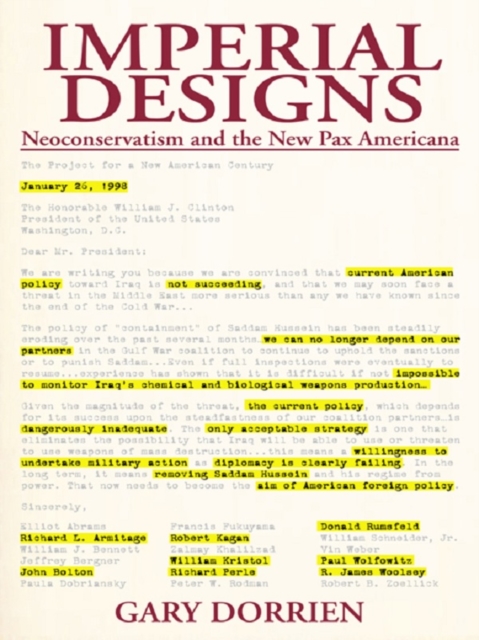
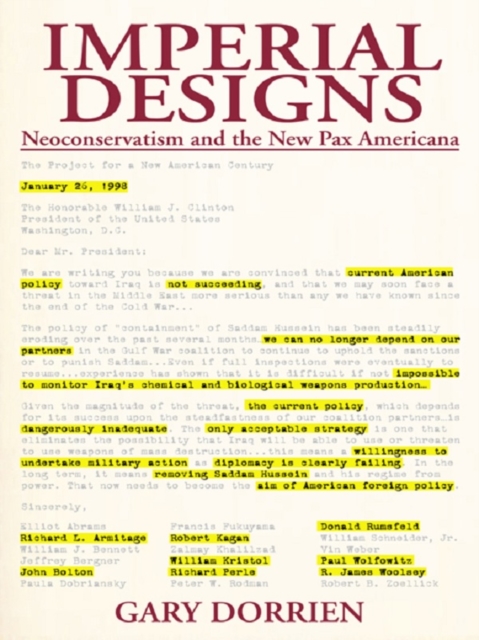
This work argues that the influence of neoconservatives has been none too small and all too important in the shaping of this monumental doctrine and historic moment in American foreign policy.
This work argues that the influence of neoconservatives has been none too small and all too important in the shaping of this monumental doctrine and historic moment in American foreign policy.
The recent American invasion of Iraq represents the endgame of America's decades-old effort to impose its vision of globalization-a system dominated by multinational firms and buttressed by the liberalism of John Locke and Adam Smith.
The recent American invasion of Iraq represents the endgame of America's decades-old effort to impose its vision of globalization-a system dominated by multinational firms and buttressed by the liberalism of John Locke and Adam Smith.
The liberal way of war and the liberal way of rule are correlated; this book traces that correlation to liberalism's original commitment to 'making life live'.
The liberal way of war and the liberal way of rule are correlated; this book traces that correlation to liberalism's original commitment to 'making life live'.
In this book, top scholars of international relations assess the consequences of globalization for national security, identifying three distinct 'processes' of globalization - the intensification of economic exchange, the flow of information, and marketization (the expansion of the set of social relations governed by market forces)-exploring how they can affect the capacity and power of states as well as conflict within and among them.
In this book, top scholars of international relations assess the consequences of globalization for national security, identifying three distinct 'processes' of globalization - the intensification of economic exchange, the flow of information, and marketization (the expansion of the set of social relations governed by market forces)-exploring how they can affect the capacity and power of states as well as conflict within and among them.
This book argues that any strategy for dealing with Pakistan requires an understanding of the country's complex and turbulent history and of the weaknesses of its political and other institutions.
This book argues that any strategy for dealing with Pakistan requires an understanding of the country's complex and turbulent history and of the weaknesses of its political and other institutions.
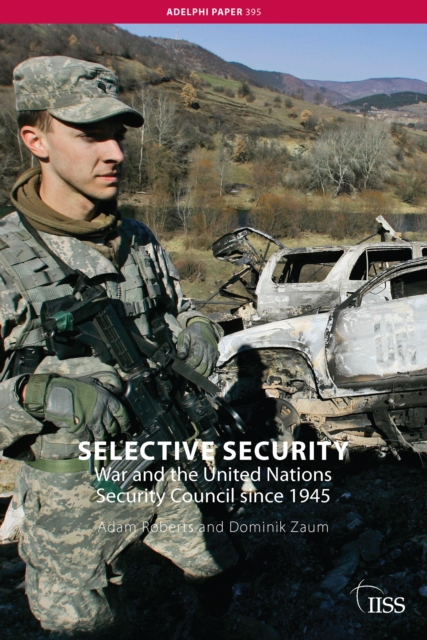
In contrast to the common perception that the United Nations is, or should become, a system of collective security, this paper advances the proposition that the UN Security Council embodies a necessarily selective approach.
In contrast to the common perception that the United Nations is, or should become, a system of collective security, this paper advances the proposition that the UN Security Council embodies a necessarily selective approach.
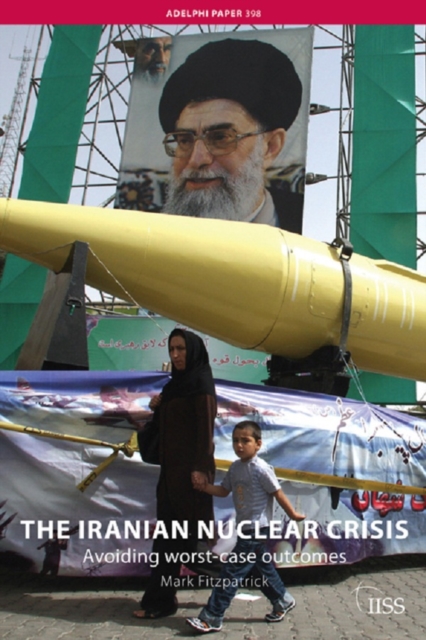
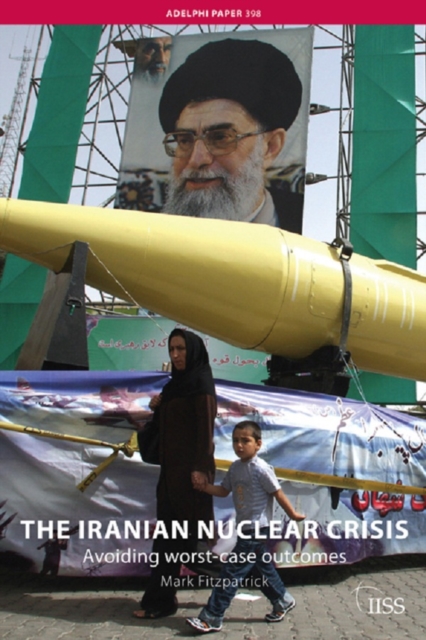
This paper explains how Iran developed its nuclear programme to the point where it threatens to achieve a weapons capability within a short time frame, and analyses Western policy responses aimed at forestalling that capability.
This paper explains how Iran developed its nuclear programme to the point where it threatens to achieve a weapons capability within a short time frame, and analyses Western policy responses aimed at forestalling that capability.
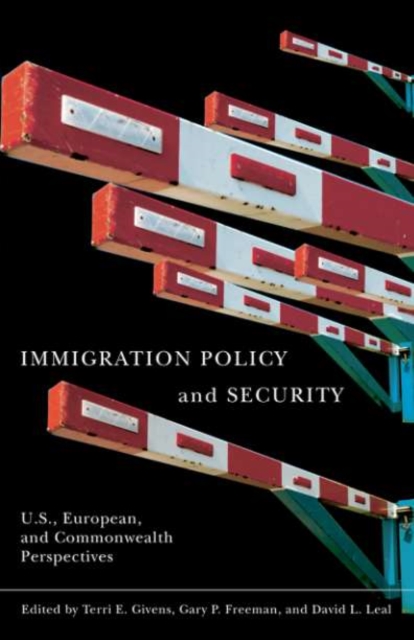
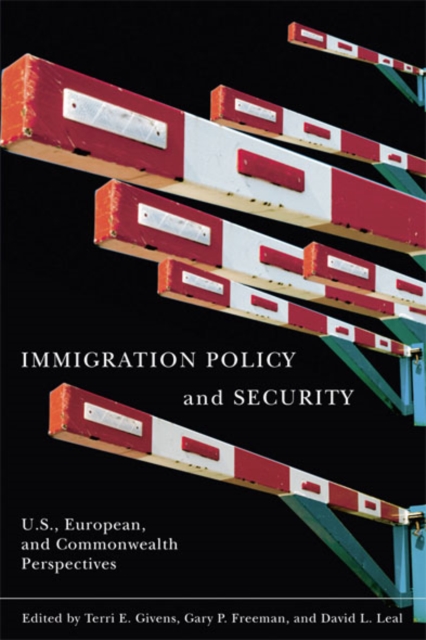
Immigration policy in the United States, Europe, and the Commonwealth went under the microscope after the terror attacks of 9/11 and the subsequent events in London, Madrid, and elsewhere.
Immigration policy in the United States, Europe, and the Commonwealth went under the microscope after the terror attacks of 9/11 and the subsequent events in London, Madrid, and elsewhere.
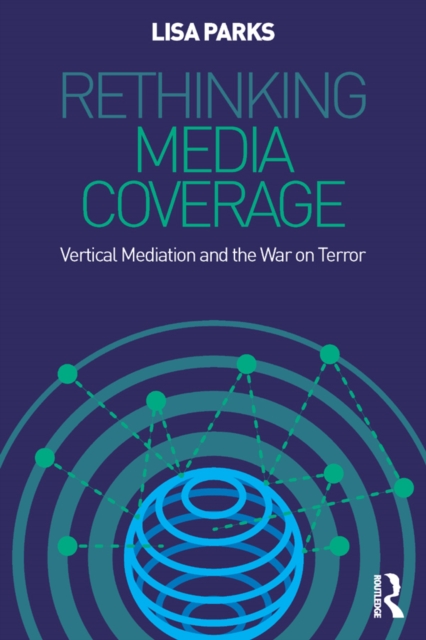
In the post-9/11 era, media technologies have become increasingly intertwined with vertical power as airwaves, airports, air space, and orbit have been commandeered to support national security and defense.
In the post-9/11 era, media technologies have become increasingly intertwined with vertical power as airwaves, airports, air space, and orbit have been commandeered to support national security and defense.
Introduces the geographical, historical and ethno-linguistic framework of the Caucasus, focusing on the Russian incorporation of the region, the root most conflicts; analyses individual conflicts, from their origins to the attempts at resolving them; analyses the role of the three regional powers (Turkey, Iran and Russia); and sets out a synthesis of the Caucasian conflicts and a conclusion on the place of the Caucasus in world affairs.
Introduces the geographical, historical and ethno-linguistic framework of the Caucasus, focusing on the Russian incorporation of the region, the root most conflicts; analyses individual conflicts, from their origins to the attempts at resolving them; analyses the role of the three regional powers (Turkey, Iran and Russia); and sets out a synthesis of the Caucasian conflicts and a conclusion on the place of the Caucasus in world affairs.
This book examines perceptions of the 'China Threat', and governments' policies in response to this perceived threat in a wide range of countries, including the United States, Russia, Europe, Japan, South Korea, Indonesia, Singapore, Malaysia, the Philippines, Vietnam, India, Pakistan, and countries in the Middle East.
This book examines perceptions of the 'China Threat', and governments' policies in response to this perceived threat in a wide range of countries, including the United States, Russia, Europe, Japan, South Korea, Indonesia, Singapore, Malaysia, the Philippines, Vietnam, India, Pakistan, and countries in the Middle East.
The Caspian Region, Volume 2 - together with Volume 1 - offers new issues and approaches to give readers a fuller understanding of this part of the world, as well as correcting some erroneous notions.