This completely revised edition of Global Think Tanks: Policy Networks and Governance provides a clear description of, and context for, the global proliferation of think tanks.
This completely revised edition of Global Think Tanks: Policy Networks and Governance provides a clear description of, and context for, the global proliferation of think tanks.
The pacifist principle, so cogently expressed in the Declaration to Charles II, has led succeeding generations of Quakers to consider the application of this principle to international affairs.
Using authoritative extracts from the relevant and important sources at the time, this volume, originally published in 1972, deals with the problems and difficulties of maintaining peace in the world.
The pacifist principle, so cogently expressed in the Declaration to Charles II, has led succeeding generations of Quakers to consider the application of this principle to international affairs.
Using authoritative extracts from the relevant and important sources at the time, this volume, originally published in 1972, deals with the problems and difficulties of maintaining peace in the world.
The complex problems of peace, security, and development in societies affected by conflict increasingly demand innovative ideas, and comprehensive strategies to tackle the diverse, simultaneous, and daunting challenges faced in trying to rebuild states and communities after war.
The contributors, representing major European Community institutions and member states, offer their assessments of the political and institutional issues influencing the formation of a common foreign and security policy for the 12 member states.
This book applies a number of different disciplinary and geographical perspectives to ascertain whether and how European youth identify with the EU, trust EU institutions and engage in EU issues.
The complex problems of peace, security, and development in societies affected by conflict increasingly demand innovative ideas, and comprehensive strategies to tackle the diverse, simultaneous, and daunting challenges faced in trying to rebuild states and communities after war.
This book applies a number of different disciplinary and geographical perspectives to ascertain whether and how European youth identify with the EU, trust EU institutions and engage in EU issues.
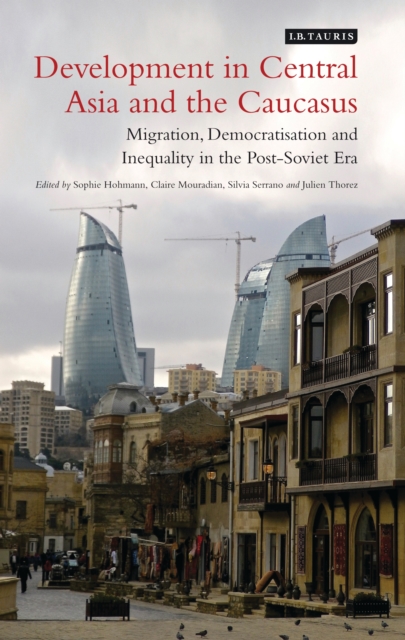
After the final collapse of the Soviet Union, the so-called 'last empire', in 1991, the countries of Central Asia - Kazakhstan, Kyrgyzstan, Uzbekistan, Tajikistan, Turkmenistan - and of the Caucasus - Armenia, Azerbaijan, Georgia - became independent nations.
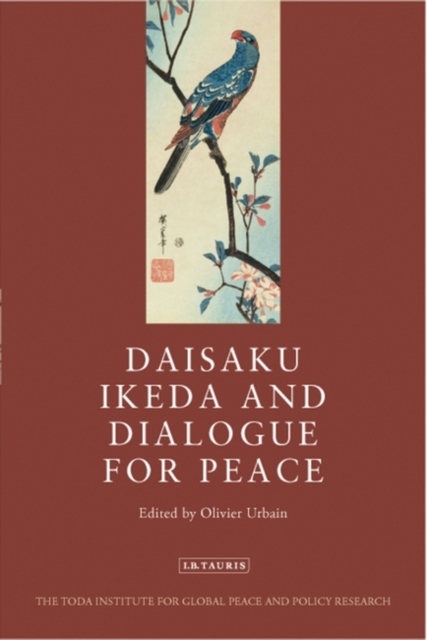
The prominent Buddhist religious leader and advocate for peace, Daisaku Ikeda, has placed dialogue at the centre of his efforts towards securing global justice and conflict resolution.
As the financial crisis continues to cast its long shadow over Europe, the view that immigrants compete unfairly for jobs and present an unsustainable burden on the European Social Model appears to be gathering support in some circles.
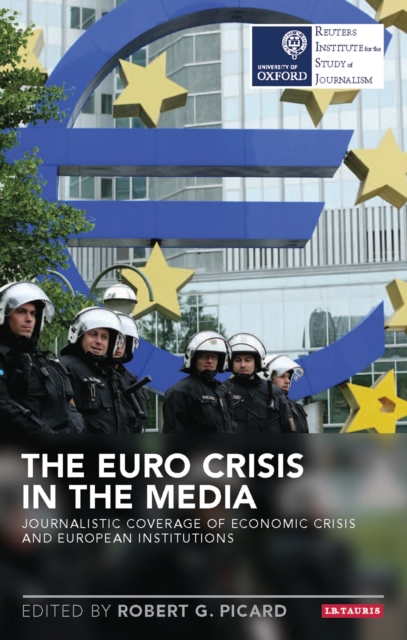
The Euro Crisis produced the most significant challenge to European integration in 60 years testing the structures and powers of the European Union and the Eurozone and threatening the common currency.
As Turkey approaches EU membership it faces the challenge of implementing the requirements of the WFD by the date of its accession to the union, something that will require major structural change and financial investment.
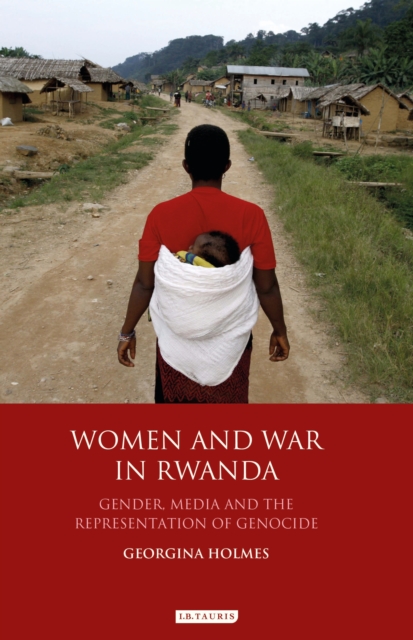
Focusing on television media reporting of the 1994 genocide in Rwanda and its aftermath, this book explores how African states directly involved in conflict, western states with geopolitical interests in Africa's Great Lakes region, militia groups, human rights activists and NGOs use gendered media narratives strategically, often engaging in politics of revisionism and denial, to change the behaviour of other actors in the international system.
As the financial crisis continues to cast its long shadow over Europe, the view that immigrants compete unfairly for jobs and present an unsustainable burden on the European Social Model appears to be gathering support in some circles.
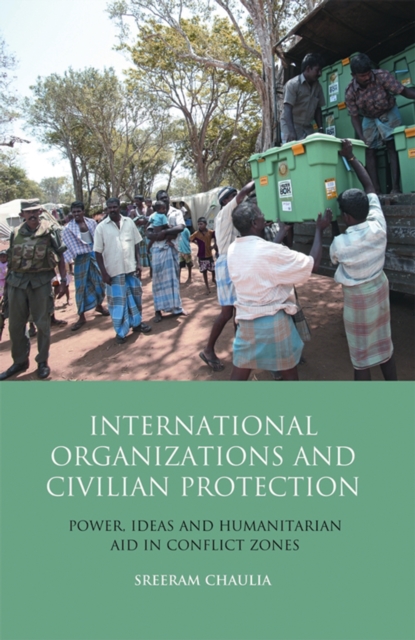
Despite the proliferation of international humanitarian and human rights laws since the end of the Cold War, there has been an erosion of the practical immunity of civilians caught up in armed conflicts.
In January 1942, the Declaration by United Nations forged a military alliance based on human rights principles that included over 24 countries, marking the beginning of the UN.
With the launch of the European integration process after World War II, a new type of administration emerged which was neither an international organisation nor a national administration.