This book assesses the International Criminal Tribunal for former Yugoslavia's (ICTY) legacy and examines the conflicting intersection of law and politics in the search for justice, both thematically and through close analysis of some of the major trials.
The complex problems of peace, security, and development in societies affected by conflict increasingly demand innovative ideas, and comprehensive strategies to tackle the diverse, simultaneous, and daunting challenges faced in trying to rebuild states and communities after war.
This book assesses the International Criminal Tribunal for former Yugoslavia's (ICTY) legacy and examines the conflicting intersection of law and politics in the search for justice, both thematically and through close analysis of some of the major trials.
In einer Welt, die zunehmend durch Globalisierung und interkulturelle Verflechtungen geprägt ist, erweist sich das Verständnis unterschiedlicher Kulturen und Denkweisen als unverzichtbar – besonders, wenn es um China, eine der führenden Wirtschaftsmächte und eine reiche Kulturgeschichte geht.
After the final collapse of the Soviet Union, the so-called 'last empire', in 1991, the countries of Central Asia - Kazakhstan, Kyrgyzstan, Uzbekistan, Tajikistan, Turkmenistan - and of the Caucasus - Armenia, Azerbaijan, Georgia - became independent nations.
The prominent Buddhist religious leader and advocate for peace, Daisaku Ikeda, has placed dialogue at the centre of his efforts towards securing global justice and conflict resolution.
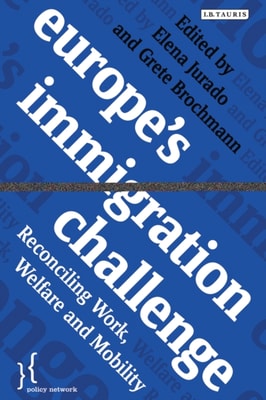
As the financial crisis continues to cast its long shadow over Europe, the view that immigrants compete unfairly for jobs and present an unsustainable burden on the European Social Model appears to be gathering support in some circles.
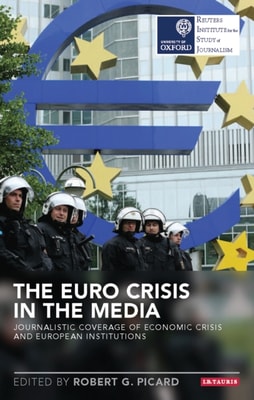
The Euro Crisis produced the most significant challenge to European integration in 60 years testing the structures and powers of the European Union and the Eurozone and threatening the common currency.
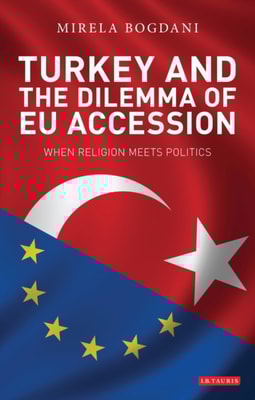
As Turkey approaches EU membership it faces the challenge of implementing the requirements of the WFD by the date of its accession to the union, something that will require major structural change and financial investment.
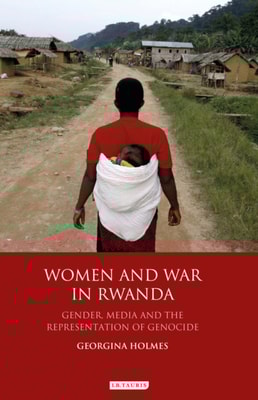
Focusing on television media reporting of the 1994 genocide in Rwanda and its aftermath, this book explores how African states directly involved in conflict, western states with geopolitical interests in Africa's Great Lakes region, militia groups, human rights activists and NGOs use gendered media narratives strategically, often engaging in politics of revisionism and denial, to change the behaviour of other actors in the international system.
As the financial crisis continues to cast its long shadow over Europe, the view that immigrants compete unfairly for jobs and present an unsustainable burden on the European Social Model appears to be gathering support in some circles.
Despite the proliferation of international humanitarian and human rights laws since the end of the Cold War, there has been an erosion of the practical immunity of civilians caught up in armed conflicts.
In January 1942, the Declaration by United Nations forged a military alliance based on human rights principles that included over 24 countries, marking the beginning of the UN.
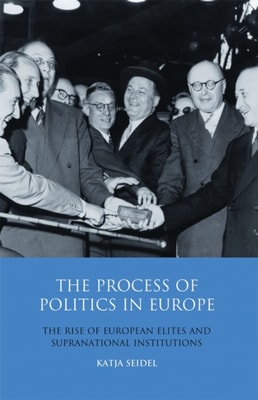
With the launch of the European integration process after World War II, a new type of administration emerged which was neither an international organisation nor a national administration.
When Archbishop Makarios was toppled as President of Cyprus in a 1974 coup, and Turkish forces invaded the island, few saw Cyprus as part of the incipient drive to create a new Europe.
A critical year in the history of peacekeeping, 1995 saw the dramatic transformation of the role of United Nations' forces in Bosnia from a protective force to being an active combatant under NATO leadership.
The Western powers established the International Monetary Fund (IMF) and the World Bank after World War II as "e;"e;permanent machinery"e;"e; to anchor the Bretton Woods system.
In the late eighties and early nineties, driven by the post-Cold War environment and lessons learned during military operations, United States policy makers made intelligence support to the military the Intelligence Community's top priority.
In the late eighties and early nineties, driven by the postCold War environment and lessons learned during military operations, United States policy makers made intelligence support to the military the Intelligence Community's top priority.
This book looks at the evolution of the role of Europe in US grand strategy, and unpacks how US administrations have instrumentalized this relationship in pursuit of extra-European objectives.